






The Small Decor Dilemma
Interior designers universally agree that an excessive amount of small decorative items can quickly transform a space into a visually chaotic environment.
The core issue lies in the perception of intentionality; when collections of small objects appear haphazard or lack a unifying theme, they can resemble mere clutter rather than curated design elements. This phenomenon is particularly relevant as interior design trends shift, sometimes favoring maximalism, which, paradoxically, requires careful editing to avoid overwhelming the senses. Without a thoughtful approach, even the most well-intentioned decorative choices can lead to a room that feels busy and unfocused, detracting from its overall appeal and comfort.
Spotting the Clutter Line
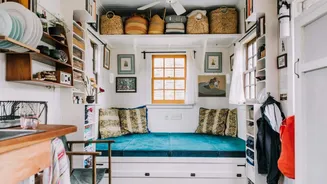
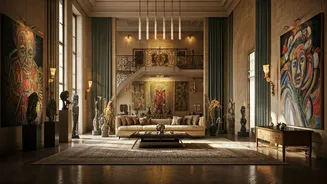
Recognizing when a room has crossed the threshold from 'decorated' to 'cluttered' hinges on understanding the principle of balance, particularly concerning scale. When a room is filled with numerous pieces that are too small in proportion to the space, it creates an imbalance that feels jarring. Designers emphasize the absence of a visual anchor, where smaller items are crammed in without a clear purpose. This leads to a feeling of 'stuff' being added rather than a deliberate design narrative being established. A well-balanced room incorporates larger statement pieces that ground the space and provide focal points, preventing the visual noise that too many small elements can generate.
Curating with Cohesion
To effectively manage collections of smaller decor, designers advise identifying a unifying element that connects the items. This could be a shared theme, a specific color palette, or even pieces from a particular era. By editing out items that don't align with this common thread, you can create a cohesive grouping that appears intentional. Furthermore, it's beneficial to concentrate these collections in specific areas rather than scattering them throughout the room. For instance, a gallery wall featuring similar art styles or a curated shelf vignette can appear chic and deliberate, transforming disparate objects into a unified installation that tells a story and enhances the room's aesthetic.
Anchoring with Impact
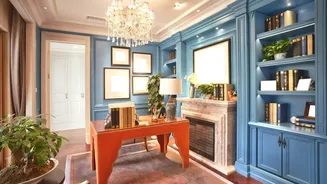
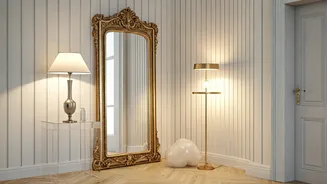
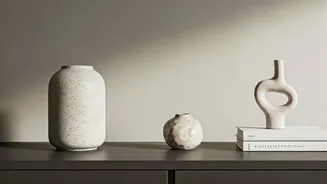
Restoring equilibrium in a space that leans towards clutter from too many small items involves introducing larger, more significant decorative elements. These serve as crucial focal points, drawing the eye and providing a sense of scale and balance. Think about incorporating substantial art pieces, well-chosen stacks of books, or generously sized decorative vases. These larger accessories introduce visual contrast, preventing the overwhelm that a multitude of tiny objects can create. By strategically placing these statement pieces, you offer the viewer's eye a place to rest, thereby calming the visual landscape and enhancing the overall intentionality of the room's design.
The Art of Restraint
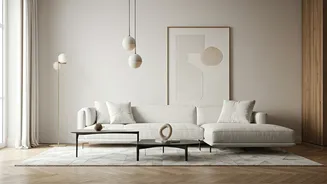
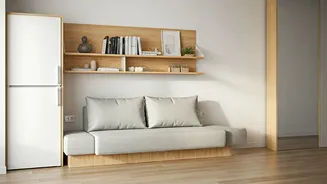
Ultimately, one of the most effective strategies for mitigating clutter caused by an excess of small decorative items is simply to reduce their number. Designers strongly encourage resisting the urge to fill every available surface and nook with accessories. When a room features numerous shelves and surfaces, it's tempting to adorn each one, but this often leads to a jumbled mix of unrelated objects. Practicing restraint and being selective about which items make the final cut is paramount. Finding alternative homes for some pieces or choosing fewer, more impactful decorative items will contribute significantly to a more serene and thoughtfully designed environment.