







The Fan Paradox Explained
During sweltering heatwaves that plague India, the instinct to reach for an electric fan for immediate relief is understandable. However, health authorities
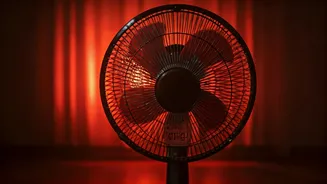
like the World Health Organization (WHO) issue a stark warning: this common cooling method can turn dangerous once ambient temperatures surpass 40°C (104°F). Dr. Rakesh Pandit, a senior internal medicine consultant, elaborates on this phenomenon, explaining that fans typically work by accelerating sweat evaporation, a process that effectively cools the body. But when the air itself is hotter than our skin temperature, the fan's airflow reverses its function. Instead of dissipating heat, it actively pushes the already hot air against the skin, thereby increasing the body's heat load. This exacerbates the challenge our bodies face in regulating their internal temperature, pushing us closer to heat-related illnesses rather than providing relief.
Risks in Extreme Temperatures
The effectiveness of electric fans hinges on the principle of evaporative cooling, a mechanism that falters significantly when external temperatures exceed bodily temperatures. In conditions above 40°C, the fan's attempt to enhance evaporation becomes futile; instead, it prolongs exposure to air that is already too hot. Dr. Pandit highlights that this sustained contact with superheated air can lead to accelerated dehydration, placing immense strain on the cardiovascular system. The body's natural thermoregulation processes become overwhelmed, potentially triggering symptoms of heat exhaustion such as profound fatigue, headaches, lightheadedness, confusion, and even fainting. In the most severe scenarios, this inability to cool down can escalate to heatstroke, a life-threatening medical emergency requiring immediate intervention.
Safe Indoor Strategies
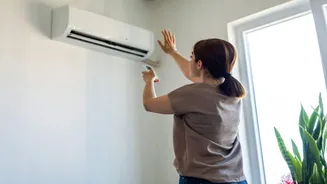
Navigating extreme heatwaves indoors requires proactive measures to maintain a safe environment. Dr. Pandit strongly advises minimizing exposure during the day's peak heat. Identifying and utilizing the coolest available room in the house is paramount. If staying home becomes unbearable, seeking refuge in a cooler public space for a few hours is a viable alternative. To prevent hot air infiltration, keeping windows shut during daylight hours is crucial; they should only be opened after sunset when the external temperature begins to recede. Employing curtains and blinds effectively blocks solar radiation, significantly reducing internal heat gain. Maintaining optimal hydration by drinking ample fluids, primarily water, is non-negotiable. Additionally, wearing loose, breathable clothing made from natural fibres, avoiding heavy meals and strenuous activities, and opting for cool showers or applying damp cloths to the skin can offer further comfort and protection.
Vulnerable Populations Identified
Certain demographics face heightened risks during periods of extreme heat due to physiological predispositions or occupational exposures. Dr. Pandit identifies the elderly, very young children, individuals engaged in outdoor labor, and those managing chronic health conditions as particularly vulnerable. Pre-existing conditions such as heart disease, diabetes, or kidney ailments can impair the body's ability to regulate its core temperature effectively. Young children are prone to dehydrating more rapidly, while outdoor workers are subjected to prolonged direct sun and heat exposure. Recognizing the early indicators of heat-related distress is therefore essential for everyone, especially for those caring for these at-risk groups. Vigilance can mean the difference between managing mild symptoms and preventing a severe health crisis.
Recognizing Urgent Signs
Prompt identification of heat exhaustion and heatstroke symptoms is critical for timely medical attention. Dr. Pandit outlines several indicators that demand immediate action. These include extreme physical weariness, persistent headaches, feelings of dizziness or lightheadedness, nausea, involuntary muscle spasms or cramps, disorientation or confusion, and skin that feels abnormally hot and dry. A particularly alarming sign is when an individual becomes disoriented or stops sweating, as this suggests the body's cooling mechanisms have failed. In such instances, immediate cooling measures must be implemented while simultaneously seeking urgent professional medical help to prevent irreversible damage or fatalities.