






Foundations of Heart Health
This comprehensive 7-day meal plan is meticulously designed to promote heart health by actively reducing inflammation within the body. The core philosophy
centers on the understanding that chronic, low-grade inflammation is a significant contributor to the development of cardiovascular diseases. By damaging blood vessel linings over time, inflammation can facilitate the buildup of arterial plaque, leading to blockages. This plan strategically incorporates a wide array of heart-supportive foods, including vibrant fruits, nutrient-dense vegetables, wholesome whole grains, beneficial legumes, healthful nuts and seeds, and omega-3 rich seafood. Each day is carefully calibrated to deliver approximately 1,800 calories, with built-in adjustments for those aiming for 1,500 or 2,000 calories. Crucially, the plan ensures a minimum of 70 grams of protein and 30 grams of fiber daily, promoting satiety and sustained energy, while vigilantly controlling saturated fat to under 12 grams and sodium to within 1,500 milligrams. This approach makes cultivating heart-friendly eating habits both practical and enjoyable.
Day-by-Day Culinary Journey
Embark on a culinary adventure with our 7-day meal plan, showcasing diverse and delicious anti-inflammatory meals. Day 2 kicks off with a Nut & Berry Parfait for breakfast, followed by a Pineapple Spinach Smoothie and a Mason Jar Power Salad with Chickpeas & Tuna for lunch. The day concludes with White Bean–Stuffed Mini Bell Peppers and red grapes as a snack, alongside Lemon-Tahini Couscous with Chicken & Vegetables for dinner. Day 5 mirrors the breakfast and lunch selections, featuring the Nut & Berry Parfait and the Mason Jar Power Salad, but introduces Kale & Sweet Potato Salad with Chicken for dinner. Day 6 presents a delightful change with Spinach & Egg Sweet Potato Toast, accompanied by pear for breakfast, followed by Chickpea & Roasted Red Pepper Lettuce Wraps for lunch, and culminates in Skillet Salmon with Orzo & Green Pea Pesto for dinner. Finally, Day 4 includes the Nut & Berry Parfait, Pineapple Spinach Smoothie, Mason Jar Power Salad, White Bean–Stuffed Mini Bell Peppers, and Sesame-Crusted Tuna Rice Bowls, while Day 3 offers the Nut & Berry Parfait, Pineapple Spinach Smoothie, Mason Jar Power Salad, White Bean–Stuffed Mini Bell Peppers, and Crispy Oven-Fried Fish Tacos. Day 7 rounds out the week with Spinach & Egg Sweet Potato Toast, Spicy Maple Walnuts, Chickpea & Roasted Red Pepper Lettuce Wraps, and Sheet-Pan Roasted Salmon with Potatoes & Green Beans. Each day is designed to meet specific calorie, macronutrient, and micronutrient targets.
Key Anti-Inflammatory Foods
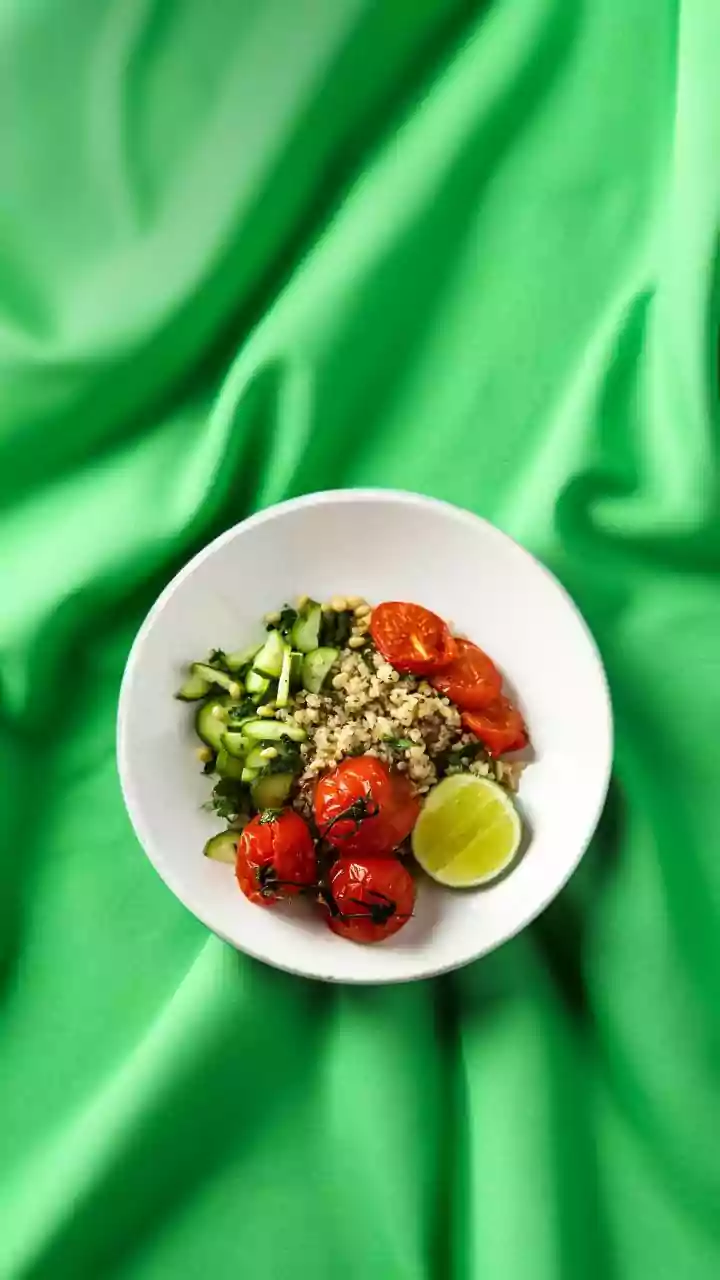
This meal plan strategically integrates foods renowned for their potent anti-inflammatory properties. Fruits and vegetables are central, offering a wealth of antioxidants and phytonutrients that combat cellular damage. Think of the vibrant berries in the Nut & Berry Parfait, the leafy greens in smoothies and salads, and the colorful bell peppers. Whole grains like farro and orzo provide complex carbohydrates and fiber, which are crucial for gut health and stable blood sugar. Legumes, such as chickpeas and white beans, are excellent sources of protein and fiber, contributing to satiety and digestive regularity. Nuts and seeds, like chia seeds and walnuts, are packed with healthy fats, particularly omega-3s, and provide essential minerals. Fatty fish, such as salmon, is a powerhouse of EPA and DHA, omega-3 fatty acids known for their significant anti-inflammatory effects. Even simple ingredients like olive oil, used in dressings, contribute monounsaturated fats that are beneficial for heart health. By prioritizing these food groups, the plan effectively reduces inflammation and supports overall cardiovascular wellness.
Flexibility and Customization
Understanding that individual needs and preferences vary, this meal plan is designed with flexibility in mind. The provided daily menus serve as a robust template, offering a balanced approach to anti-inflammatory eating for heart health. However, the plan explicitly encourages mixing and matching meals to suit personal tastes, while still adhering to the overall nutritional parameters. When substituting meals, it's advisable to select recipes with similar caloric, fiber, protein, and sodium content to maintain the plan's integrity. For instance, if you have a breakfast you particularly enjoy, you can consistently incorporate it, as the breakfasts generally fall within a similar calorie range of 350 to 400 calories, and lunches between 400 to 500 calories. This adaptability ensures that the plan remains sustainable and enjoyable long-term. The plan also offers specific calorie modifications for 1,500 and 2,000 calorie targets, allowing for personalized adjustments based on individual energy requirements, without compromising the core anti-inflammatory and heart-healthy principles.
Beyond the Plate
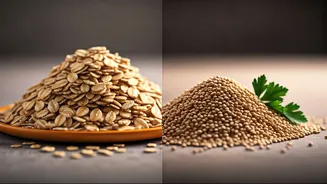
Supporting heart health extends beyond the specific meals consumed; lifestyle factors play an equally vital role. This anti-inflammatory eating plan is best complemented by other heart-healthy practices. Increasing your intake of soluble fiber, found abundantly in foods like oats, beans, fruits, and vegetables, is crucial for managing cholesterol levels effectively. Prioritizing healthy fats, such as monounsaturated and polyunsaturated fats present in olive oil, avocados, walnuts, flaxseeds, and fatty fish, has been scientifically shown to improve cholesterol profiles, reduce blood pressure, and further lower inflammation. Conversely, limiting added sugars, particularly from sugar-sweetened beverages, is strongly recommended, as high consumption is linked to an increased risk of cardiovascular disease. Current guidelines suggest limiting added sugars to no more than 9 teaspoons daily for men and 6 teaspoons for women. These complementary strategies, when combined with this nutrient-rich meal plan, create a holistic approach to robust cardiovascular well-being.