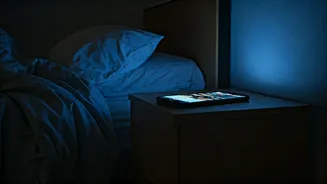








The Digital Sleep Thief
Many teenagers find themselves glued to their smartphones well past bedtime, a habit that significantly disrupts their much-needed sleep. This pervasive
issue is fueled by a combination of adolescent biological changes and the constant allure of digital connectivity. During puberty, teenagers naturally experience a shift in their body's internal clock, making them inclined to fall asleep later. When this biological tendency clashes with academic pressures, social expectations, and the irresistible pull of social media, gaming, and messaging apps, sleep deprivation becomes a common reality. The digital stimulation from these devices keeps the brain in an alert state, counteracting the natural winding-down process required for rest. Experts highlight that the blue light emitted from screens further interferes with melatonin production, the hormone crucial for regulating sleep-wake cycles, thereby pushing back sleep onset and reducing the quality of rest obtained. Statistics from a survey indicate that a considerable majority of parents, precisely 62%, report their teens go to bed after 11 PM due to smartphone usage, with one in three teens dedicating over two hours to screens post-dinner, underscoring the widespread nature of this problem.
Adolescence and Alertness
Adolescence is a period of significant biological metamorphosis, particularly concerning the body's natural sleep-wake rhythms. Around the ages of 11 to 13, the release of melatonin, a key sleep-signaling hormone, begins to occur approximately two hours later than it did in childhood. This natural shift transforms many teenagers into 'night owls,' who genuinely don't feel tired until close to 11 PM or even midnight. This biological predisposition to later sleep times becomes a major challenge when combined with the demands of early school start times, extracurricular activities, and, critically, the omnipresent smartphone kept by the bedside. The consequence is a chronic misalignment between the teen's natural sleep drive and societal schedules. Furthermore, the blue light emanating from electronic screens intensifies this disruption by further suppressing melatonin, delaying sleep onset and diminishing the duration of deep, restorative sleep stages. The interactive nature of content—endless social media feeds, engaging games, and group chats—actively keeps the teenage brain stimulated and alert, making it exceedingly difficult to disengage and prepare for rest long after it's biologically appropriate.
The Toll on Well-being
The repercussions of insufficient and fragmented sleep extend far beyond mere daytime grogginess. For teenagers, chronic sleep deprivation has profound implications for both their emotional regulation and cognitive functions. Emotionally, teens may become more irritable, experience heightened anxiety, or withdraw from social interactions, making it harder for them to manage their feelings and relationships. Cognitively, the impact is equally significant, affecting crucial processes like memory consolidation, which is vital for learning and academic performance, as well as attention span and problem-solving abilities. Studies have drawn a strong correlation between insufficient sleep during adolescence and an increased risk of developing mental health issues such as depression and anxiety. For instance, a 2025 analysis from Stanford Medicine revealed that insomnia can escalate the risk of depression by tenfold and anxiety by seventeenfold. This creates a vicious cycle where poor sleep exacerbates mental health challenges, which in turn can further disrupt sleep, potentially necessitating professional intervention. It's crucial to recognize that merely being in bed for eight hours doesn't guarantee adequate sleep; the quality and continuity of that rest are paramount.
Parental Guidance Strategies
Addressing the pervasive issue of teen sleep deprivation requires a multi-faceted approach from parents, focusing on establishing healthier digital habits and sleep routines. A foundational step is encouraging a consistent sleep schedule, meaning a fixed bedtime and wake-up time that is maintained as much as possible, even on weekends, to help regulate the body's internal clock. Creating a screen-free bedroom environment is also highly recommended; removing phones, tablets, and laptops from the sleeping area at least an hour before bed significantly reduces the temptation to engage with devices and signals to the brain that it's time to wind down. Promoting calming pre-sleep activities, such as reading a physical book, engaging in light stretching, or listening to soothing music, can effectively help signal relaxation to the brain. Parents can also leverage technology to monitor screen time, perhaps through dedicated apps or family agreements, to set limits on nighttime usage in a way that fosters cooperation rather than conflict. Ultimately, as Sandeep Kumar, Founder of COP App, emphasizes, sleep is indispensable for a teenager's mental development, emotional stability, and academic success, and proactive measures are vital to counter the added hours to bedtime that smartphones often impose.