




The Kale Conundrum
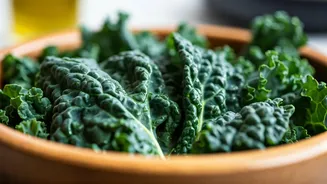
Raw kale often presents a textural challenge, leading to salads that feel more like a chore than a treat. Its inherent toughness can make chewing unpleasant,
a stark contrast to the delicate nature of other salad greens. Many attempts to soften kale, such as slicing it extremely thin or drenching it in acidic dressings, fall short of addressing the root cause. These methods often fail because kale's robust structure and waxy outer layer resist the superficial treatments. Consequently, kale salads can end up being an exercise in overcoming texture rather than enjoying flavor, leaving many reaching for less nutritious but more palatable options. This article delves into why these common approaches don't work and introduces a scientifically grounded solution that truly unlocks kale's potential as a star salad ingredient, ensuring it remains crisp and enjoyable for days.
Why Conventional Fixes Fail
Common strategies aimed at making kale more palatable in salads often prove ineffective. For instance, meticulously slicing kale into smaller pieces, while seemingly a logical step, doesn't fundamentally alter its fibrous nature; the leaves remain stubbornly chewy. Similarly, the widespread practice of saturating kale with lemon juice or vinegar, in the belief that acidity will break down its structure, is largely futile. The waxy cuticle on kale leaves repels water-based acids, preventing them from penetrating and softening the plant tissue. While these dressings might impart flavor, they do little to enhance the kale's texture. Another tactic involves overloading the salad with bold toppings to distract from the kale's toughness. However, this approach merely masks the problem rather than solving it, failing to make the kale itself more enjoyable to eat. The real solution lies not in masking or superficial treatment, but in a targeted method that addresses the kale's inherent properties.
The Science of Softening
The key to tenderizing kale lies not in acid, but in oil, as revealed by culinary science. Leafy greens, including kale, possess a protective waxy coating, known as the cuticle, on their upper surfaces. This natural barrier prevents excessive water absorption, which would otherwise weigh the leaves down. Crucially, this coating is oil-soluble. When you introduce oil to kale, it effectively dissolves this waxy layer. This process allows for controlled damage to the underlying plant cells, leading to a significant softening of the leaves. While acidic components in dressings are primarily water-based and tend to slide off kale's waxy surface, oil readily bonds with and breaks down this protective layer. Understanding this principle is fundamental to preparing kale that is both tender and retains a satisfying crunch, moving beyond the limitations of traditional salad preparation methods.
Hands-On Tenderizing Method
For an immediate transformation, the manual massage technique is exceptionally effective. Begin by discarding the tough central stems and tearing or cutting the kale leaves into manageable, bite-sized pieces. Next, toss these prepared leaves with a generous amount of olive oil and a good pinch of salt – kosher salt is ideal, but any salt will suffice. The crucial step involves massaging the oil and salt into the kale with your hands for a couple of minutes. You will notice a palpable change as the leaves become darker, visibly soften, and gain a pliable texture. Once this pre-softening is complete, you can proceed to add your chosen dressing and any other salad ingredients. This hand-massaged kale will be noticeably more tender and less fibrous than kale that has only been dressed once. This method, akin to what is used in certain Caesar salad recipes, ensures the kale provides a robust structure without an unpleasant chewiness.
Passive Marinating Technique
If manual labor isn't your preference, time becomes your ally in tenderizing kale through a passive marinating process. This method requires a bit more foresight but yields equally delicious results with minimal effort. Simply combine your raw kale, after removing the tough stems and chopping or tearing it into bite-sized pieces, with oil and salt, just as you would for the manual method. Instead of massaging, place the mixture in the refrigerator. Allow it to sit for a minimum of one hour, though an extended period of up to 24 hours will further enhance the tenderness. During this time, the oil will gradually permeate the kale leaves, slowly breaking down the waxy cuticle without any physical manipulation. The outcome is the same desirable tender-crisp texture, achieved through a slow, hands-off approach, making kale a dependable and enjoyable salad green.