






Heatwave Drives Demand
After two consecutive summers marred by unseasonal downpours that dampened sales, the Indian ice cream industry is finally experiencing a significant uplift.
The current summer of 2026 has brought record-breaking temperatures across the nation, translating into a dramatic increase in ice cream consumption. Manufacturers are reporting sales growth ranging from 30% to 40% during these peak heatwave periods. This resurgence in demand has not only restored confidence within the industry but has also turned what was once a weather-dependent business into a major beneficiary of the current climatic conditions, with ice creams rapidly disappearing from shelves in both urban and rural areas.
Product Innovations Emerge
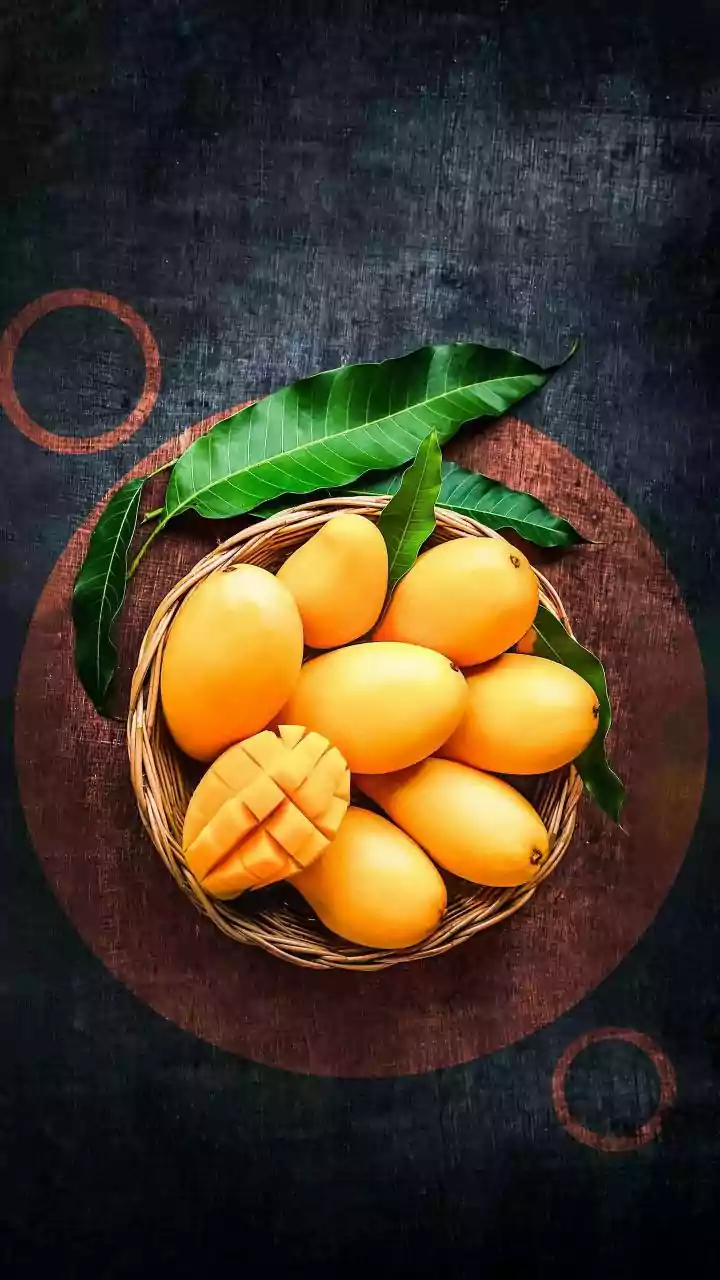
In response to the soaring demand and the specific needs of consumers during extreme heat, ice cream makers are actively innovating with summer-centric product lines. There's a noticeable focus on refreshing and cooling options. Offerings like raw mango sorbets, desserts crafted with tender coconut, individual fruit shots, and a variety of cooling flavors are proving highly popular. Younger demographics, in particular, are seeking lighter, more hydrating dessert experiences to combat the intense heat. In rural markets, the focus is on affordable, impulse-buy items such as sticks and cups, catering to the immediate need for inexpensive cooling solutions. Conversely, urban consumers are increasingly drawn to premium products, larger family packs, fruit-based varieties, and convenience-driven purchases through quick commerce platforms, showcasing a divergence in preferences between different market segments.
Supply Chain Pressures Mount
The sudden and substantial surge in demand has presented significant challenges for the ice cream industry's ability to keep pace. Following the uncertainty of the previous two summers, many companies had postponed investments in expanding their manufacturing capacities and infrastructure. Consequently, most production facilities are now operating at their maximum capacity, close to 100% utilization. Compounding these internal pressures are external factors, including ongoing geopolitical tensions and disruptions in the supply chains for fuel and essential raw materials. Shortages of critical inputs like LPG and diesel have further impacted logistics and the overall efficiency of manufacturing operations, making it difficult to meet the burgeoning consumer appetite.
Stock-Outs Become Common
The accelerated pace of demand has led to widespread stock-outs across the market. Retailers and distributors are experiencing extremely rapid inventory turnover, with products that would typically remain on shelves for several days now selling out within mere hours of delivery. Distributors are finding it increasingly difficult to maintain adequate levels of ready stock, as consumer purchasing is outpacing the speed at which replenishment can occur. During periods of intense heatwaves, a clear 'buy-now' mentality is evident among consumers, who are eager to secure their preferred treats before they disappear, further exacerbating the stock-out situation and highlighting the strong impulse buying behavior.
Quick Commerce's Role
Quick commerce has emerged as a pivotal growth catalyst for the ice cream industry during this exceptionally hot summer, particularly within urban India. The convenience of ordering from home, avoiding the discomfort of venturing out in extreme afternoon temperatures, has driven significant adoption. Rapid-delivery platforms are proving instrumental in expanding market reach for ice cream companies and facilitating faster inventory movement. However, this increased reliance on quick commerce also places additional strain on the critical cold-chain infrastructure and the efficiency of last-mile delivery systems, which must operate flawlessly to maintain product quality and customer satisfaction.