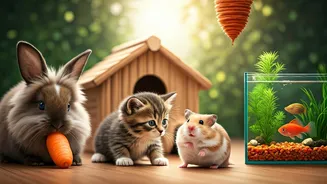








Pets: Building Blocks for Growth
Pets offer more than just companionship; they are powerful catalysts for children's learning and emotional development. Studies indicate that interacting
with animals can lead to significant improvements in mental well-being, including reduced anxiety and a heightened sense of social support. The type of pet and the age at which a child begins caring for it directly influence the skills they acquire. Early engagement with pet care cultivates empathy and prosocial behaviors, laying a foundation for stronger emotional resilience and responsibility as children mature. This isn't just about having an animal around; it's about the active participation in its care that truly drives these developmental advantages. The home environment, with a family pet, becomes a dynamic learning space, demonstrating tangible lessons in commitment and the impact of one's actions on another living being. It's crucial to remember that pet ownership is a long-term commitment requiring consistent care and parental guidance, especially for younger children, to ensure the well-being of both the child and the animal.
Toddlers: Gentle Lessons with Fish
For children aged three to five, a fish tank presents an ideal, gentle introduction to the concept of caring for another life form. This age group is just beginning to grasp that their world extends beyond their own immediate needs, and the routine of feeding fish provides a simple, manageable way to understand dependency. Observing fish and participating in their feeding helps young children establish a sense of responsibility – a significant abstract concept for a preschooler. This early exposure to caring for a creature that relies on them forms a crucial building block for developing a wider range of life skills. Furthermore, the vibrant colours, dynamic movements, and intricate patterns within an aquarium naturally spark curiosity in young minds. This engagement encourages early observation and lays the groundwork for scientific thinking as children explore the underwater world, fostering a natural inclination towards learning and discovery in a low-pressure, engaging way.
Early Elementary: Guinea Pigs & Hamsters
As children enter early elementary school, typically between six and eight years old, they are ready for more interactive pet experiences. A guinea pig or a hamster serves as an excellent choice; these small, manageable creatures are gentle enough for young children's handling while demanding enough daily care to instill a sense of commitment. This age group is adept at understanding cause and effect, and caring for a small mammal makes this concept tangible. For instance, neglecting to clean the cage leads to observable consequences, providing an immediate, real-world lesson that transcends abstract classroom explanations. This direct link between action and outcome is a powerful learning tool. Moreover, tending to a guinea pig or hamster helps nurture empathy. Children learn to interpret the animal's subtle body language and respond to its needs, which encourages them to think beyond their own desires and fosters a greater understanding of the feelings and needs of others, a skill that is invaluable in social interactions.
Upper Elementary: Birds & Reptiles
Children in upper elementary grades, around nine to eleven years old, can take on pets that require a bit more in-depth research and dedicated understanding. Species like budgies or cockatiels, and beginner-friendly reptiles such as leopard geckos, are ideal. These pets necessitate that children learn about specific environmental needs, dietary requirements, and distinct behaviours before and throughout the ownership period. This phase empowers children to actively participate in the research aspect of pet care, mirroring the independent learning crucial for academic success. For example, a child researching a gecko's habitat or a bird's nutritional needs engages in a process that builds problem-solving and information-gathering skills. Birds, in particular, can significantly contribute to language and communication development. Many bird species are responsive to human voices and interaction, providing children with a unique and motivating opportunity to practice verbal communication and engage in reciprocal dialogues.
Middle School: The Feline Companion
During the middle school years, a period marked by increasing emotional complexity, a cat can be an exceptionally fitting companion for children aged twelve to fourteen. Unlike pets for younger children, cats possess distinct personalities and establish their own boundaries, offering tweens valuable lessons in respecting the needs and moods of others. This dynamic interaction teaches children about navigating relationships and social cues in a healthy, nuanced way. Cats do not perform on demand; they initiate interaction on their terms, providing a realistic model for understanding consent and reciprocity. Furthermore, the simple act of stroking a cat has been shown to lower cortisol levels and reduce anxiety, providing crucial emotional support during the pressures of adolescence. This interaction can also improve attention spans and enhance learning engagement, contributing to cognitive development and academic focus during a demanding period of life.
Teenagers: The Dog's Loyal Bond
By the time children reach their teenage years (fifteen and older), they are ready to embrace the most demanding yet profoundly rewarding pet relationship: that with a dog. Dogs require a significant daily commitment, including regular walks, consistent training, strict feeding schedules, and considerable emotional attention. For a teenager, taking on a substantial portion of these responsibilities serves as invaluable preparation for adult life. A dog's needs are non-negotiable, requiring discipline and follow-through regardless of personal inclination, fostering a strong sense of purpose and accountability. The deep bond forged through this commitment is unparalleled. Additionally, caring for a dog encourages teenagers to spend more time outdoors and maintain physical activity, which is vital for both mental health and concentration during intense academic periods. This hands-on, emotionally rich experience, encompassing daily routines from feeding to exercise, builds life skills and habits that are incredibly powerful and often far more impactful than traditional learning methods.