






Punjabi Food's Charm
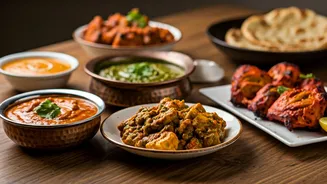
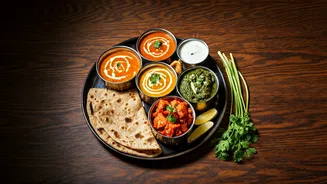
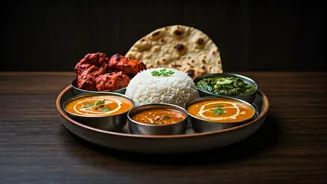
Punjabi cuisine is known for its rich flavors and generous use of ingredients like ghee, butter, and cream, but it can also have nutritional value. Badshah,
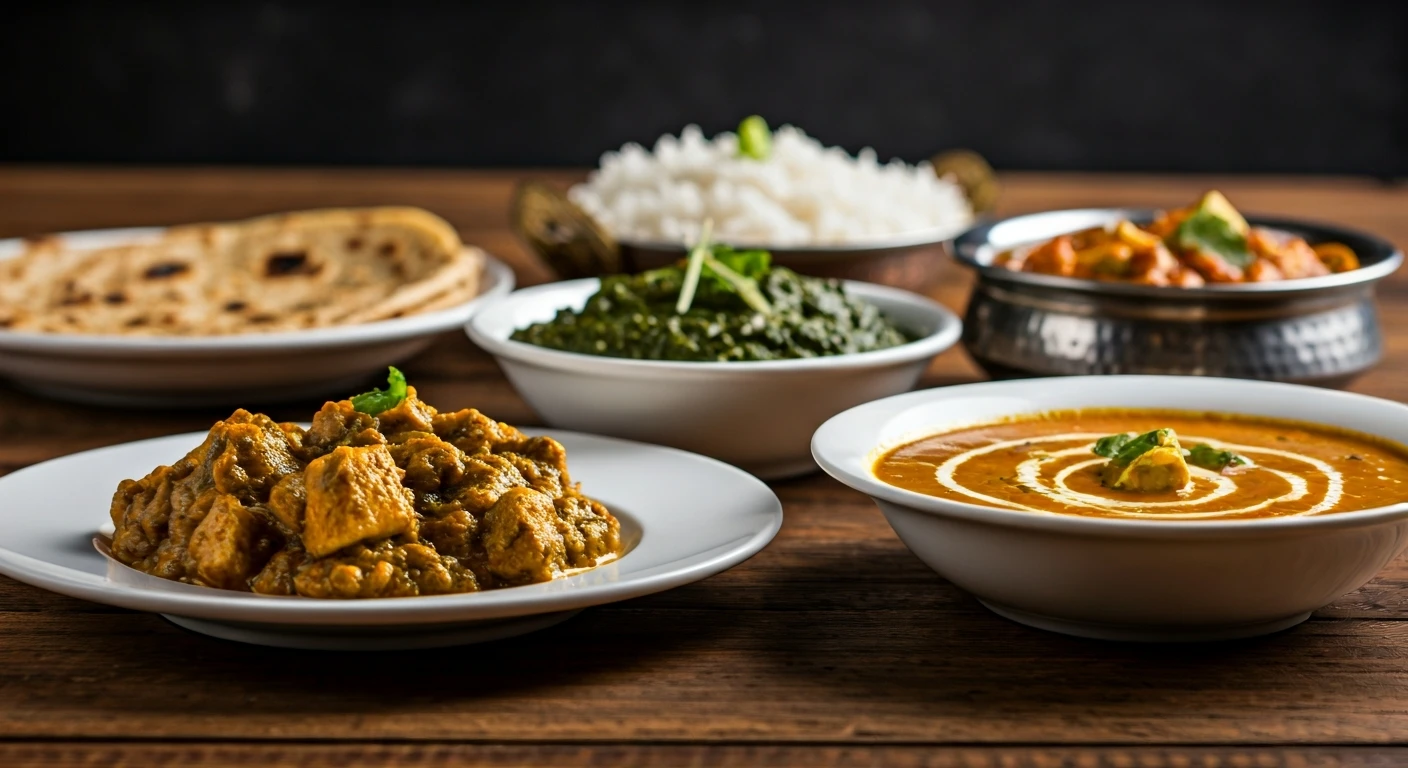
known for his love of Punjabi food, includes dishes like butter chicken, parathas, and sarson da saag in his diet. These foods are not just delicious but also provide a range of nutrients. For example, sarson da saag, a leafy green dish, is packed with vitamins and antioxidants. Parathas, often stuffed with vegetables, contribute to fiber intake. The key lies in balancing these indulgences with moderation and mindful eating practices. The incorporation of traditional foods also provides cultural connection for individuals, reminding them of the origins and roots. Overall, the consumption of foods with unique regional traits enriches their overall dietary patterns and eating experiences, contributing to their physical well-being and sense of cultural identity.
Decoding Nutritional Value
Butter chicken, a favorite among many, offers protein from the chicken and the creamy sauce made with tomatoes. However, it's also high in fat. Nutritionists suggest balancing this by controlling portion sizes and pairing it with whole-grain options. Parathas, another staple, can be a good source of carbohydrates and fiber if made with whole wheat. They can also be versatile. Stuffing them with vegetables like potatoes, cauliflower, or spinach adds to the nutritional profile. Sarson da saag, if prepared with less oil and combined with makki di roti (cornbread), delivers fiber and essential nutrients. This dish is rich in vitamins and minerals, helping to enhance immunity and prevent nutrient deficiencies. Overall, while Punjabi food can be heavy, it provides various essential nutrients when consumed mindfully. Understanding portion sizes, cooking methods, and ingredient choices allows for enjoying the cuisine while maintaining a healthy lifestyle, which contributes to an enhanced nutritional profile.
Moderation and Balance
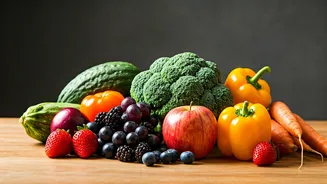
A balanced diet isn't about completely eliminating favorite foods, but rather about consuming them mindfully. Badshah's diet likely incorporates moderation, ensuring he enjoys his beloved Punjabi dishes without overindulgence. Nutritionists stress the importance of portion control. Eating a moderate amount of high-calorie foods is key to preventing weight gain. Balancing the diet with more nutrient-dense choices is equally crucial. This could mean adding more vegetables, lean proteins, and whole grains to the meals, which helps to maintain energy levels and support overall health. Regular physical activity also plays an important role. Exercise complements dietary choices by helping to burn calories, improve metabolism, and improve overall health. This combination of mindful eating, portion control, and exercise can help people enjoy their favorite foods without compromising health. It requires an informed approach, with an understanding that all dietary choices will impact the health.
Nutritionist's Perspective
Nutritionists offer an important perspective on Badshah's dietary choices, emphasizing the significance of personalization. The most important thing is to create a plan that fits the unique needs of an individual, whether a celebrity or an ordinary individual. They look at the balance of the diet, focusing on the quality and quantity of the foods. They may suggest optimizing the cooking methods and ingredients. For example, opting for less oil, using leaner proteins, or integrating more vegetables. Moreover, a nutritionist may give recommendations for the amount of physical activity one requires. This professional guidance ensures that one's food choices support health goals. They also stress the need to listen to the body's cues and make adjustments as needed. A nutritionist's advice adds to a healthy dietary approach, with a focus on individuality, balance, and long-term health benefits, ensuring dietary choices will have positive impacts on the overall health.