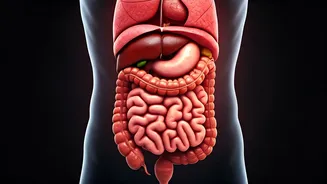








Initial Body Changes
When you begin water fasting, the body quickly adjusts to a significant reduction in caloric intake. The body initially starts using glucose stored as glycogen
in the liver and muscles for energy. This stored glucose usually provides energy for roughly 12 to 24 hours. As the body exhausts this readily available source, it moves to the next phase. Common early experiences include hunger, fatigue, and potential headaches as the body adapts to operating without food. The digestive system also slows down because there is no incoming food to process, which may lead to lighter bowels. Individuals may also feel colder, which is a common effect of the body's slowed metabolism in this process. Staying hydrated is important as the body undergoes this transition.
Transitioning to Ketosis
After the initial glucose depletion, usually within the first 24-36 hours, the body enters ketosis. Ketosis is the process where the body starts to break down fat stores for energy, producing ketones as a byproduct. These ketones then become the primary fuel source for the brain and other tissues. You may experience some changes, such as breath that smells slightly fruity (a result of ketone release), and possibly a decrease in hunger. Physical symptoms might include initial fatigue, followed by increased mental clarity and energy as the body adapts to ketone utilization. This is the body's survival mechanism in action, using stored resources efficiently.
Later Phase Dynamics
By the third day of water fasting, the body's metabolic processes are significantly altered. The body maintains ketone production, supporting brain and organ function, while it continues to draw energy from fat stores. During this period, some individuals report feeling more alert and focused, as the brain adapts to using ketones. The body may start to conserve energy by slowing down certain non-essential functions. It is also common for the body to start breaking down old or damaged cells in a process known as autophagy, which is associated with cell repair and renewal. However, the body is under a lot of stress, so monitoring is essential to ensure a safe experience. The benefits of the long-term impacts of such practices are not fully known.
Considerations and Risks
Water fasting presents several risks, which is why it is not universally recommended. Dehydration can be a primary concern if fluid intake is not maintained. Electrolyte imbalances may also happen, leading to symptoms like muscle cramps and heart rhythm issues. People with pre-existing conditions, such as diabetes or eating disorders, should avoid water fasting. The duration and frequency of fasting play a role in its safety. Short periods may be less problematic for some individuals than extended fasts. Before embarking on any fasting regimen, consulting a healthcare professional is crucial to assess personal health and determine if it is appropriate. Professional medical advice is a necessity for safe practice.