




An Unexpected Craving
A fascinating story has emerged, showcasing the far-reaching appeal of Indian street food. A Japanese woman has become utterly captivated by pani puri,
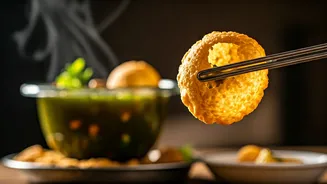
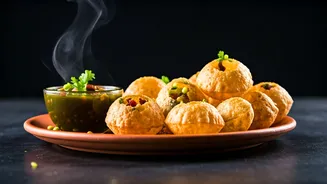
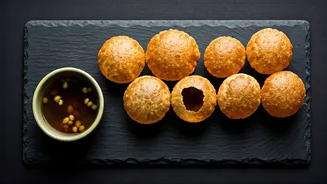
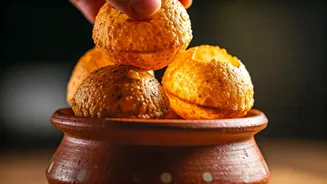
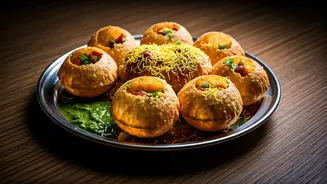
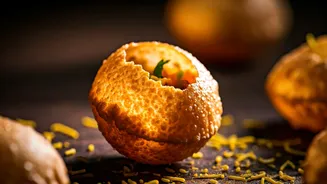
a popular snack known for its delightful combination of crispy shells, spiced fillings, and tangy, chilled flavored water. Her intense fondness for this treat has grown to such an extent that she is now seriously contemplating a career pivot. She shared her passion on social media, expressing a genuine desire to establish her own establishment dedicated to pani puri. This venture would aim to provide a casual setting where patrons can enjoy the snack while on the go, effectively placing this Indian delicacy on a global stage through her viral post. Her enthusiasm is so profound that even her husband, who typically shies away from what she describes as 'exotic food,' has found himself drawn to the addictive nature of pani puri.
Addicted to the Taste
The woman's dedication to pani puri is evident in her consistent consumption, reportedly indulging in the snack at least twice a week. To further fuel her passion and perhaps practice her future business skills, she has even acquired a pani puri kit, allowing her to recreate the experience at home. The addictive quality of the dish is so strong that her husband, initially hesitant, has admitted to being hooked as well, frequently finding himself thinking about the snack. This shared fascination underscores the irresistible charm of pani puri. In separate moments, she also described her solo expeditions to local eateries to savor the street food, humorously noting her unique position as possibly the only Japanese woman dining alone in silence. She highlighted the convenience of numerous quick-stop spots where one can easily grab and enjoy pani puri, further cementing its accessibility and appeal.
Global Foodie Reactions
The viral post detailing the Japanese woman's pani puri obsession has evidently struck a chord with a wide audience, particularly users from India. The outpouring of reactions on social media platforms demonstrates a shared appreciation for the snack and its ability to foster connections across cultures. Many users expressed their delight and agreement, with some sharing their own experiences of making pani puri at home when they miss their homeland. Suggestions for variations, such as the 'Phuchka' found in Bengal—often considered a tastier iteration—and 'dahi puri,' a sweeter counterpart that can balance the spiciness, were also offered. These comments highlight the diverse regional nuances of pani puri and the eagerness of fellow food enthusiasts to share their knowledge and love for the dish. The conversation also revealed a broader curiosity about the myriad flavors associated with pani puri, with some users recounting their own quests to find the best versions in different locations.