





Freebies & Single-Use Items
Many of us accumulate freebies from takeout orders, such as small packets of soy sauce, plastic cutlery, and even condiment sachets. While it feels wasteful
to discard them, these items quickly contribute to drawer clutter. Professional organizers suggest making a conscious effort to refuse them if you don't genuinely need them for packed lunches or to simply toss them if they've piled up. A good practice is to note your preference in your next delivery order to prevent further accumulation and keep your kitchen drawers clear of these small, space-consuming extras. It’s about being mindful of what enters your kitchen and ensuring it serves a purpose beyond temporary convenience.
Redundant Kitchen Gadgets
When it comes to kitchen appliances, versatility is key. Organizers advise scrutinizing your collection of smaller appliances to identify those that perform multiple functions. If your food processor can also act as a juicer, or your blender has a spice-grinding capability, consider keeping just the most efficient or frequently used one. Furthermore, many appliances come with numerous attachments and accessories that often go unused. If you haven't used a specific attachment, like those for bread making in a food processor, in a long time, it’s time to let it go. Releasing these rarely used tools frees up significant cabinet and counter space, simplifying your kitchen's overall functionality.
Mismatched Food Containers
The dreaded avalanche of mismatched food storage containers is a common kitchen frustration. If opening a cabinet results in a cascade of plastic and a desperate search for a matching lid, it's time for a purge. Organizers emphasize the importance of pairing lids with their corresponding containers. Any container that has lost its lid, or any lid without a home, should be discarded. This process not only eliminates visual clutter but also makes storing leftovers a far less daunting task, ensuring you can easily find the right vessel for your food.
Unmanageable Bulk Buys
While buying in bulk can seem economical, it can quickly lead to disorganization, particularly in smaller kitchens. If you lack dedicated storage space for large quantities of items, bulk purchases can transform your kitchen into an unmanageable environment. Organizers recommend assessing your available storage realistically and sticking to quantities that can be properly housed. If you find yourself overwhelmed with surplus food items that you cannot store appropriately, consider donating in-date products to local food banks, ensuring they are used and reducing your own kitchen clutter.
Excess Reusable Bags
Many of us accumulate a vast number of reusable shopping bags and paper bags from past purchases. Organizers suggest keeping only a select few that you regularly use. The rest can be recycled or donated. Crucially, these essential bags should be stored in a convenient location where you'll remember to take them on shopping trips, such as the back of your car. A reusable bag is only truly useful if it's readily available when you need it, so decluttering the excess ensures you're not overwhelmed and are more likely to utilize the ones you keep.
Damaged Dinnerware
Chipped or cracked plates, bowls, mugs, or bakeware pose both a safety and hygiene risk. Even minor chips can create sharp edges that are hazardous during use and cleaning. Furthermore, these imperfections can become breeding grounds for bacteria, compromising the cleanliness of your kitchenware. Professional organizers strongly advise discarding any dinnerware that shows signs of damage, no matter how small the flaw may seem. Prioritizing safety and cleanliness means saying goodbye to compromised items.
Outdated Spices
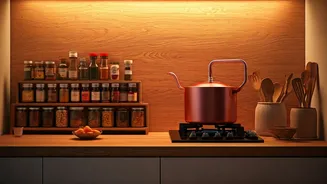
Spices, while essential for flavor, lose their potency and taste over time. Keeping expired spices in your cabinet is not only taking up valuable space but also failing to enhance your cooking. Organizers recommend regularly checking the expiration dates of your spice collection. As you identify and discard old spices, it’s beneficial to create a list of what you’ve tossed so you can efficiently replenish your stock during your next grocery shopping trip, ensuring your culinary creations are always flavorful.
Unnecessary Manuals
The worry of needing an appliance manual for troubleshooting is often unfounded in today's digital age. For most small appliances and electronic devices, product information, user guides, and troubleshooting tips are readily available online. Organizers advocate for decluttering these paper manuals, especially for simple-to-use items or those whose information can easily be found via a quick web search. Freeing up prime drawer and cabinet space by discarding these manuals can significantly reduce kitchen clutter.
Old Kitchen Sponges
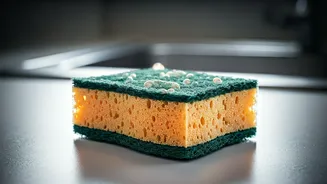
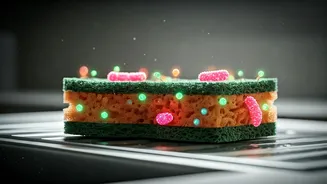
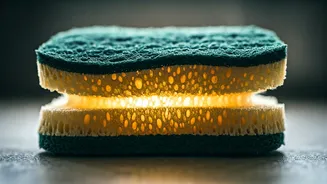
Kitchen sponges have a surprisingly short lifespan and are prime culprits for harboring germs. To maintain optimal kitchen hygiene, it's crucial to replace your sponges regularly, typically every month or so. Holding onto old, worn-out sponges contributes to an unhygienic environment and takes up space. Discarding them in a timely manner is a simple yet effective step towards a cleaner and healthier kitchen, ensuring you're not just visually organized but also hygienically sound.