



The Overnight Transformation
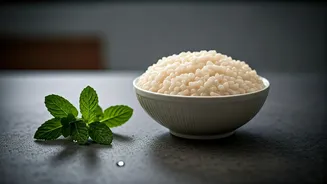
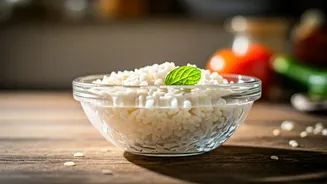
Fermented rice, a cornerstone of traditional Indian summer diets, undergoes a remarkable overnight metamorphosis when cooked rice is steeped in water.
This simple process at room temperature initiates lactic acid fermentation, a natural phenomenon where beneficial bacteria, primarily Lactobacillus, become active. These microbes diligently break down complex carbohydrates and other compounds within the rice, rendering it more digestible and unlocking a wealth of nutrients. By morning, the humble grains are transformed into a rich source of live probiotics, crucial for gut health, and become more bioavailable for essential minerals like iron and calcium. This ancient practice, predating modern wellness trends, intuitively recognized the health advantages of this gentle, natural fermentation, turning leftovers into a nourishing superfood with a subtle, pleasant tang that signifies healthy microbial activity, not spoilage.
A Nutritional Powerhouse
The nutritional profile of rice undergoes a significant enhancement through fermentation, extending far beyond simple soaking. Research indicates a notable increase in the bioavailability of iron, making it more readily absorbed by the body. Furthermore, the fermentation process can lead to a reduction in fat content while simultaneously boosting protein levels. A key benefit is the substantial increase in B complex vitamins, including thiamine, riboflavin, niacin, and critically, vitamin B12, which is often deficient in vegetarian and vegan diets. The availability of minerals like potassium, calcium, magnesium, and selenium also sees an improvement. Importantly, fermentation actively reduces anti-nutritional factors that typically inhibit mineral absorption, thereby optimizing nutrient utilization. This makes fermented rice an exceptionally efficient way to access a broad spectrum of essential nutrients, supporting overall well-being without requiring extensive culinary effort.
Probiotics for Gut Wellness
In an era where gut health is paramount, fermented rice stands as a time-tested probiotic champion, long before fermented beverages became mainstream. Its abundant lactic acid bacteria, specifically Lactobacillus strains, confer significant probiotic benefits comparable to those found in yogurt or kefir. These beneficial microorganisms play a vital role in promoting a healthy digestive system, bolstering immunity, and contributing to overall gut flora balance. Studies suggest that consuming fermented rice can alleviate common digestive discomforts such as bloating and gas, and it has traditionally been employed to address issues like abdominal pain and constipation. By pre-digesting complex starches, fermentation renders the rice easier on the stomach, fostering a resilient gut environment that, in turn, positively influences mood and strengthens the body's defenses against illness.
Cooling Summer Benefits
The traditional association of fermented rice with summer in India is rooted in practical, physiological advantages that extend beyond mere taste preference. This dish is inherently cooling, hydrating, and exceptionally light on the digestive system, making it ideal for acclimatizing the body to intense heat. Its high water content contributes significantly to maintaining hydration levels throughout the day, a vital factor for those working in warm climates. The lactic acid generated during fermentation has a proven thermoregulatory effect, actively contributing to reducing internal body heat. This cooling sensation is not just anecdotal; it's a tangible benefit that provides comfort during sweltering weather. Moreover, the enhanced immunity derived from its probiotic content, coupled with the creation of antioxidants during fermentation, helps the body combat oxidative stress and better fend off infections, aiding in quicker recovery.
Simple Preparation Methods
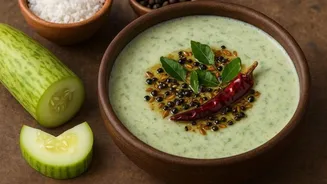
Embracing fermented rice can be as simple as preparing a basic meal, with regional variations offering distinct flavour profiles. The classic Bengali Panta Bhat involves soaking cooked rice overnight and serving it the next morning with accompaniments like chopped raw onion, green chillies, a drizzle of mustard oil, and a side of curd. For a Tamil twist, Pazhaya Sadam is typically prepared with parboiled rice, then mashed slightly and mixed with thin buttermilk (mor). This version often incorporates a tempering of curry leaves and dried red chillies, served with chopped shallots and a tangy element like raw mango or pickle. The Odia Pakhala Bhat, celebrated with its own dedicated day, also involves overnight soaking and seasoning with salt and curd, often enhanced with roasted cumin powder. It is traditionally paired with 'saga bhaja,' a simple stir-fried green, creating a delightful contrast of temperatures and tastes.
A Note on Consumption
While fermented rice offers a broad spectrum of health benefits for most individuals, certain populations should exercise caution and consult with healthcare professionals. Those managing diabetes should be mindful of rice consumption due to its impact on blood sugar levels, emphasizing portion control. Similarly, individuals with pre-existing digestive disorders or any specific medical conditions are advised to seek guidance from a doctor or nutritionist before incorporating fermented rice regularly into their diet. The principle of moderation remains key. For the vast majority, however, fermented rice represents one of the most accessible, affordable, and genuinely effective functional foods available, seamlessly integrating traditional wisdom with modern nutritional science.