




Fruit Combinations: Myth vs. Reality
The notion that mixing certain fruits can lead to severe health issues is largely unfounded. While specific pairings might occasionally cause minor digestive
discomfort like bloating or acidity in some individuals, especially those with sensitive stomachs, there's no scientific backing for them becoming toxic. Our digestive systems are remarkably adept at processing mixed meals. Nutritionists emphasize that fruits are powerhouses of hydration, vitamins, and antioxidants when consumed properly. The idea that watermelon or any fruit turns harmful when eaten with other foods, including cooked meals or dairy, is a misconception rooted more in traditional beliefs than empirical evidence. The primary function of fruits is to nourish, and they are designed to be part of a varied diet.
The True Danger: Contamination Concerns
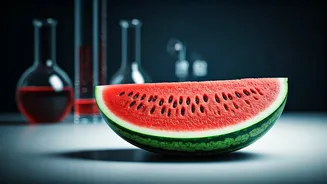
The most significant risk associated with fruits, particularly water-rich varieties like watermelon and muskmelon, stems from contamination. When fruits are cut and left exposed for extended periods, especially in warm weather, they can become fertile ground for harmful bacteria such as Salmonella or E. coli. This risk is amplified if the cutting surfaces or utensils are not clean, allowing pathogens to transfer from the rind to the edible flesh. Proper refrigeration of cut fruits is paramount; they should ideally be stored within one to two hours of being cut to inhibit bacterial proliferation and prevent foodborne illnesses. This aspect of food handling is far more critical than any supposed 'bad' fruit combination.
Understanding Discomfort vs. Toxicity
It's crucial to differentiate between experiencing mild digestive discomfort and genuine toxicity. For individuals with particularly sensitive digestive tracts, consuming large portions of fruit or eating them alongside very heavy meals might result in temporary bloating or a feeling of heaviness. This is a matter of individual digestive capacity and tolerance, not an indication of a harmful interaction between foods. Unlike a toxic reaction, which implies a chemically induced adverse effect, these symptoms are usually transient and related to the volume and type of food processed by the digestive system. Recognizing this distinction helps in making informed dietary choices without succumbing to unnecessary anxieties about food pairings.
Common Pairings Explored
While many fruit combinations are safe, some are popularly thought to be problematic. Watermelon, often advised to be eaten solo due to its quick digestion, may cause bloating if paired with heavy meals, but it's not inherently dangerous. Fruit and milk combinations, like a banana milkshake, are generally fine, though citrus with milk might cause curdling, leading to discomfort, not toxicity. Melons are sometimes recommended to be eaten separately, but fruit salads are widely enjoyed without issue. Citrus and sweet fruits can cause mild acidity in sensitive individuals, and papaya with lemon has no scientific basis for harm. Pineapple and dairy can curdle, creating an unpleasant texture. Guava and banana, or mango with cold drinks, might cause heaviness or bloating due to sugar or digestive load, rather than toxicity. Apple with yogurt is a safe and healthy pairing, and fruit with alcohol may increase acidity for some.
Prioritizing Safe Food Practices
The overarching message derived from incidents and expert advice is to prioritize safe food handling over fears of food combinations. This includes thoroughly washing all fruits, especially their outer surfaces, before cutting. Avoiding pre-cut fruits, particularly those displayed in warm environments, is advisable. Once fruits are cut, they must be refrigerated promptly, ideally within an hour or two, to curb bacterial growth. It's also wise to discard any fruit that exhibits off-smells or unusual tastes, as these are clear indicators of spoilage. By adhering to these fundamental food safety guidelines, the risks associated with fruit consumption are significantly minimized, ensuring these nutritious foods remain a safe and healthy part of our diet.