



Understanding Gangaur
Gangaur stands as one of Rajasthan's most cherished and lively festivals, primarily celebrating the sacred bond between Lord Shiva, affectionately known
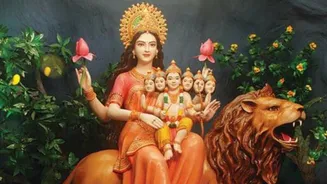
as 'Gan,' and Goddess Parvati, or 'Gauri.' Observed annually during the Hindu month of Chaitra, typically falling between March and April, this festival signifies the flourishing arrival of spring. It beautifully symbolizes enduring love, profound devotion, and the pursuit of a harmonious married life. The festivities hold particular importance for women, who engage in heartfelt prayers for finding an ideal life partner or for the continued well-being and longevity of their existing spouses. At its core, Gangaur is a joyous occasion dedicated to the divine couple, embodying marital felicity and unwavering commitment. Across Rajasthan, the festival is observed in myriad ways, with women often performing acts of worship for the deities within their own homes, creating a deeply personal connection to the divine celebration.
Historical Foundations
The origins of the Gangaur festival are deeply intertwined with ancient Indian traditions and captivating mythological narratives, particularly those centering on Goddess Gauri's steadfast devotion to Lord Shiva. Over the passage of many centuries, this revered festival has blossomed into a major cultural spectacle. It serves as a profound reflection of cherished values such as love, unwavering fidelity, and the aspiration for collective prosperity. The underlying story often narrated is of Goddess Gauri's deep affection and loyalty, which eventually led to her union with Lord Shiva. This historical and mythical grounding imbues the festival with a spiritual significance that continues to resonate deeply with participants, connecting them to their heritage and the enduring ideals of love and commitment passed down through generations.
Duration and Timing
The Gangaur festival commences precisely on the first day of the Hindu lunar month of Chaitra, immediately following the vibrant celebrations of Holi. This auspicious start heralds the end of the winter season and welcomes the renewal of spring. The festivities are not short-lived; they extend for a significant period of approximately 16 to 18 days. This extended duration allows ample time for elaborate rituals, community gatherings, and personal devotion. The timing of Gangaur is significant, as it aligns with nature's own renewal and symbolizes the earth awakening from its slumber. It's a period of transition, moving from the cool, dormant days of winter to the warmth and vitality of spring, mirroring themes of new beginnings and blossoming life that are central to the festival's essence.
Processions and Merriment
A truly spectacular highlight of the Gangaur festival is its grand and captivating processions, which are particularly renowned in the city of Jaipur. During these vibrant parades, intricately decorated idols of Isar and Gangaur are carried aloft through the bustling streets. These idols are often placed in ornate palanquins, adding to the visual splendor. The processions are further enlivened by the performances of skilled folk artists, whose traditional songs and dances add a dynamic layer of cultural expression. Accompanied by the enchanting rhythms of traditional music, these processions are not just religious events but also magnificent showcases of Rajasthan's rich and diverse cultural heritage, drawing in crowds and creating an atmosphere of joyous celebration and communal spirit.
Rituals and Devotion
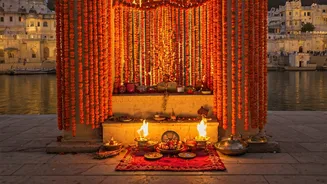
Central to the Gangaur festival are the deeply meaningful rituals performed by women, who diligently worship clay idols of Gan (Lord Shiva) and Gauri (Goddess Parvati). These idols are lovingly crafted and then adorned with colorful patterns and traditional jewelry, reflecting the artisans' skill and the devotees' reverence. A significant aspect involves women singing traditional songs that often narrate stories of devotion and marital harmony. Mehendi, or henna, is also a vital part of the celebrations, with intricate designs adorning the hands of women, symbolizing auspiciousness and beauty. Unmarried girls participate with prayers for a good and devoted husband, while married women earnestly pray for the long life, health, and prosperity of their spouses, underscoring the festival's focus on love, commitment, and family well-being.
Cultural Significance
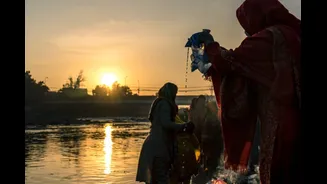
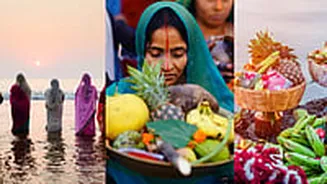
The Gangaur festival is a profound expression of devotion, fertility, and the joyous welcoming of the spring season. It encapsulates the deep-seated cultural values that celebrate the sacredness of marital bonds and the abundance that spring brings. The culmination of the festival often involves the symbolic immersion of the idols into water, which represents Goddess Gauri's return to her celestial abode after her visit. This act, while marking an emotional farewell, also signifies a renewal of life and the cyclical nature of existence. It’s a poignant reminder of life's transitions and the continuous process of rebirth and rejuvenation, deeply embedded in the spiritual and cultural fabric of Rajasthan, reinforcing themes of continuity and the promise of new beginnings.