






The Rise of Hybrid Travel
The conventional separation between workdays and weekends is blurring, ushering in an era of hybrid work and, consequently, hybrid travel. With increased
flexibility in where and when people work, the demand for hotel spaces that accommodate a multitude of needs has surged. Travelers are now looking for environments that not only provide a comfortable place to stay but also support their professional commitments and personal well-being. This evolution means hotels must transcend their traditional role as mere accommodation providers and transform into multifaceted destinations. They are increasingly expected to offer robust connectivity for remote work, serene spaces for relaxation, and engaging experiences that cater to a more integrated lifestyle. This shift is fundamentally altering how guests perceive and utilize hotel facilities, pushing the industry to innovate and redefine its offerings to meet these dynamic new expectations, fostering an environment where professional duties and personal rejuvenation can coexist harmoniously.
Rethinking Hotel Spaces
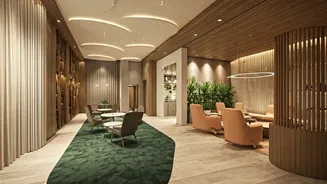
In response to the evolving needs of the hybrid traveler, hotels are undergoing significant redesigns, placing flexibility at the forefront of their operational strategies. Common areas are being reconfigured to serve dual purposes, transforming from casual social lounges into functional co-working zones. Guest rooms are also receiving an upgrade, now frequently equipped with ergonomic workstations, enhanced lighting solutions, and integrated technology tailored for remote work productivity. Furthermore, shared spaces are becoming more adaptable, capable of hosting professional discussions during daylight hours and transitioning into relaxed social settings as evening approaches. This thoughtful repurposing ensures that hotel environments can cater to diverse activities throughout the day, supporting both focused work and leisurely interactions. The integration of wellness is also a key aspect of this architectural and experiential evolution, moving beyond isolated amenities to become a fundamental part of the overall guest journey.
Beyond Accommodation
The modern hotel is emerging as a comprehensive lifestyle ecosystem, moving far beyond its traditional function as just a place for lodging. Guests are increasingly seeking extended stays that allow them to seamlessly integrate work responsibilities with leisure pursuits and personal wellness. This paradigm shift signifies that hospitality is no longer solely about providing a room, but about enabling a holistic experience that supports productivity, fosters balance, and facilitates rejuvenation all under one roof. Hotels are responding by developing diverse offerings such as co-working lounges, dedicated wellness retreats, nature-infused accommodations, and curated local experiences designed to encourage longer, more meaningful visits. The emphasis has moved from brevity to depth, with hotels aiming to provide an environment where travelers can effortlessly navigate between professional tasks, restorative wellness activities, and enriching leisure opportunities, thereby redefining the very essence of a hotel stay.
Wellness Integrated
The concept of wellness within hotels is undergoing a profound expansion, extending well beyond the conventional confines of spas and fitness centers. Today's guests are actively seeking environments that actively promote mental clarity, comfort, and a pervasive sense of equilibrium throughout their visit. This broader interpretation encompasses various elements, including improvements in air quality, the utilization of abundant natural light, thoughtfully designed interiors that evoke tranquility, and culinary offerings that draw inspiration from local flavors and promote healthy eating. Many hotels are also proactively introducing wellness-focused programming, such as guided yoga sessions, invigorating nature walks, and immersive healthy cooking experiences. These initiatives aim to support guests in achieving a holistic state of well-being, recognizing that relaxation and rejuvenation are integral components of a satisfying modern travel experience, complementing their productivity and leisure activities.
Opportunities Everywhere
This transformative trend in hybrid hospitality is not confined to bustling metropolitan centers; it is also gaining significant traction in Tier 2 and Tier 3 cities. These secondary destinations are witnessing a growing influx of travelers who are adept at merging remote work with leisure travel, seeking diverse experiences beyond the typical urban landscape. For hospitality brands, maintaining a consistent standard of service and amenities across all locations is becoming paramount. Guests increasingly expect a similar level of connectivity, comfort, and well-being provisions, irrespective of whether they are staying in a major city or a smaller town. This necessitates a strategic approach to ensure that properties in all markets deliver a balanced and comprehensive experience, upholding brand integrity and meeting the evolving expectations of the contemporary traveler by providing an equitable blend of comfort, productivity, and wellness opportunities.
The Evolving Future
As hybrid work models continue to reshape global lifestyles, the hospitality sector is poised for a new era where adaptability and immersive experience design will be pivotal. Hotels that successfully integrate practical work-friendly environments, dedicated wellness amenities, and authentic local experiences are best positioned to lead the industry. The challenge and immense opportunity for hospitality leaders lie in creating spaces that genuinely reflect the multifaceted lives of modern travelers. The hotels of the future will excel not just by accommodating guests, but by actively supporting their dynamic lifestyles, encompassing work, leisure, and rejuvenation. By understanding and catering to these evolving needs, hotels can cultivate stronger guest loyalty and maintain enduring relevance in an increasingly flexible and experience-driven world, becoming integral partners in their guests' daily lives.