







A Shift in Appetite
A notable evolution is unfolding in the restaurant industry: the deliberate offering of smaller meal portions. This isn't just a fleeting novelty but a significant
trend driven by a confluence of consumer priorities. Patrons are increasingly mindful of their financial outlays when dining out, seeking ways to enjoy meals without excessive spending. Simultaneously, a heightened awareness of personal health and wellness is prompting many to reconsider their caloric intake and overall dietary habits. This dual focus on fiscal prudence and physical well-being has led establishments, ranging from large national chains to intimate local eateries, to introduce specialized menus or offer scaled-down versions of their regular dishes. The goal is to accommodate a broader spectrum of diner requirements, recognizing that a one-size-fits-all approach to portioning no longer suffices in today's dynamic dining landscape. This strategic adjustment aims to provide value and cater to diverse dietary goals and financial capacities.
Catering to Diverse Needs
The move towards smaller portions is a strategic response to a variety of diner motivations, extending beyond just cost savings or weight management. For many younger consumers, daily eating patterns have shifted towards more frequent, smaller meals or snacks, making traditional large portions less appealing. Consultants in the culinary field observe that this reflects a broader evolution in how individuals perceive their connection with food, their spending habits, and their definition of a good value. Restaurants are recognizing this fundamental shift, introducing menus designed with these new consumption habits in mind. For instance, one restaurant introduced an eight-item 'Mini Meals' menu, which now accounts for a substantial portion of their orders, indicating a strong demand. This initiative was partly inspired by customer requests and the understanding that many diners, particularly older adults, find regular menu prices a stretch for their budgets. Furthermore, the menu offers a solution for those who have undergone weight-loss surgery, as many establishments do not permit adults to order from children's menus. By offering these smaller, more accessible options without the 'kids meal' label, restaurants are demonstrating a commitment to inclusivity and support for their clientele's evolving needs.
Targeting Specific Diets
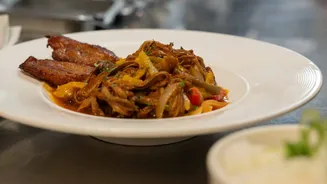
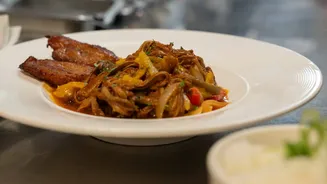
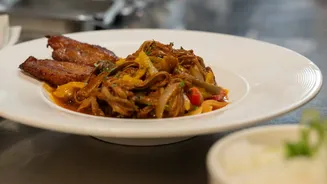
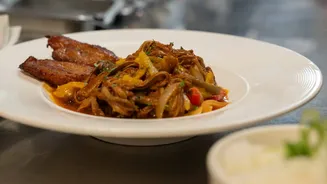
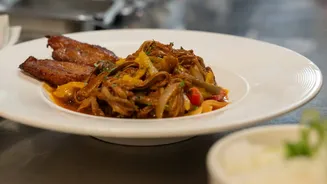
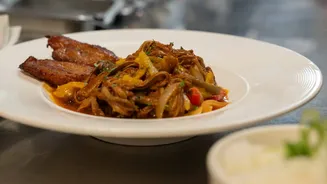
The culinary world is also adapting to cater to individuals utilizing GLP-1 medications, such as Wegovy and Ozempic, which often lead to reduced appetite and a need for nutritionally dense, lower-fat, high-protein, and high-fiber meals. Restaurateurs have observed this emerging dietary requirement, prompting the development of specialized menus. One notable example is the creation of a dedicated menu featuring five classic Cuban dishes, meticulously redesigned to meet these specific nutritional needs. A dish that might typically exceed 1,000 calories on the regular menu is carefully re-engineered to around 400 calories on the specialized menu, while emphasizing protein and fiber content. Beyond nutritional adjustments, a crucial aspect of these specialized offerings is maintaining flavor and visual appeal to stimulate appetites, ensuring that diners do not feel limited in their dining experience. This thoughtful approach acknowledges that individuals on these dietary regimens still desire enjoyable and varied meals. Such initiatives have demonstrably boosted business, with a significant number of weekly patrons at various locations opting for these specially curated options, expressing gratitude for the consideration and availability of suitable dining choices.
Widespread Adoption & Future Outlook
The trend of smaller portions is not confined to niche markets; major restaurant chains are actively embracing and expanding these offerings. A prominent Italian-style restaurant chain, for instance, rolled out a nationwide menu featuring 'Lighter Portions,' explicitly citing GLP-1 users, health-conscious diners, and those seeking more affordable meals as key target demographics. The chain's leadership acknowledges that 'abundance' means different things to different people, emphasizing consumer choice rather than a wholesale menu overhaul. Similarly, other well-known establishments, including an Asian fusion chain and a popular casual dining spot, have introduced medium-sized portions or 'Bites and Bowls' at lower price points. Even a well-known casual dining chain has experimented with an 'Eat Like A Kid' menu. While smaller plates have a history, appearing in trends like tapas restaurants twenty years ago, the current iteration feels like a more enduring shift. Experts suggest this is because the trend transcends specific cuisines and aligns with a growing consumer consciousness about food waste. The idea of taking leftovers home, which often lose their appeal, is less appealing than consuming a suitable portion in the restaurant. This growing demand for appropriately sized meals is seen as a long-standing, underlying need being met by the current market evolution.