





The Power of Stone
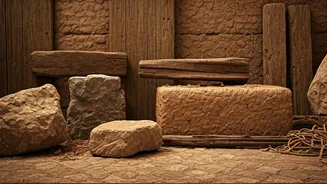
Long before modern construction techniques, stone was a primary building material, valued for its incredible resilience and longevity. Quarried stones,
like granite, sandstone, and limestone, were meticulously shaped into large blocks, forming the robust walls of ancient dwellings. The inherent strength of stone ensured that structures built with it could withstand the test of time, with many stone houses still standing proudly today. This enduring nature makes stone a testament to the efficacy of traditional building methods, providing a solid and lasting foundation for any construction project, and offering excellent protection against harsh weather conditions.
Mud and Clay Foundations
In many regions, particularly rural areas, mud and clay were foundational elements in traditional home construction. When combined with reinforcing elements like straw or other organic fibers, this humble mixture transformed into remarkably strong walls. These earthen structures were not only easy to construct and repair using readily available local materials but also provided excellent natural insulation, keeping interiors warm in winter and cool in summer. The simplicity of mud construction belies its potential for longevity; with proper maintenance, buildings crafted from clay and mud could stand for many years, showcasing the ingenuity of using natural resources.
Versatile Timber Structures
Wood has always been a go-to material for building, especially where it was abundant. Its strength made it ideal for crucial structural components such as beams, columns, and roofing elements, as well as for flooring. Beyond its structural integrity, wood possesses a valuable elasticity, allowing it to flex and absorb stress without fracturing, thereby enhancing its resistance to environmental forces. Homes built with wood are known for their warmth and inviting aesthetic appeal, making them a popular choice that combines functionality with natural beauty.
The Rise of Bricks
The use of bricks dates back millennia, originating from molded clay that was then fired to achieve superior strength. These uniformly shaped units allowed builders to construct precise and sturdy walls, creating structures that were both robust and effective at insulating interiors. The interlocking nature of bricks facilitated the creation of stable and weather-resistant buildings. This method of firing clay transformed a simple material into a durable building block, essential for the construction of enduring architectural marvels throughout history.
Durable Lime Mortar
Lime mortar was a ubiquitous binding agent in historical construction, prized for its remarkable durability and inherent flexibility. Typically created by mixing lime with sand and water, this mortar possessed the unique ability to adapt to minor shifts and movements within a building’s structure without compromising its integrity. This adaptability was crucial for creating long-lasting edifices that could withstand environmental stresses. Its reliable performance made it a cornerstone of traditional masonry for centuries.
Bamboo: A Resilient Choice
Across Asia, bamboo has long been recognized as a vital construction material, celebrated for its impressive durability and flexibility. Despite its lightweight nature, bamboo boasts an exceptional strength-to-weight ratio, making it a potent building resource. Its incorporation into construction projects results in stable and resilient houses, a particular advantage in regions prone to seismic activity. The natural properties of bamboo offer a sustainable and strong alternative for building robust shelters.
Thatch for Protective Roofing
Traditionally, thatch has been a popular roofing material, often crafted from dried grasses, palm fronds, or reeds. While seemingly simple, a well-constructed thatched roof offers excellent insulation, maintaining comfortable interior temperatures. Furthermore, it provides reliable protection against the elements, shielding homes from both intense sun and heavy rainfall. The longevity of thatched roofs has been proven over time, demonstrating their effectiveness as a sustainable and practical roofing solution for many communities.
Sun-Dried Adobe Bricks
Adobe bricks are formed from a blend of clay, sand, water, and organic binders like straw, but unlike fired bricks, they are dried under the sun. This sun-drying process creates bricks that offer excellent thermal insulation, keeping homes cool internally, while also providing substantial structural strength. The natural composition of adobe contributes to its effectiveness in creating comfortable and enduring living spaces, embodying a resource-efficient approach to building that has stood the test of time.