




The Collagen Hype
Many individuals, like a woman in her thirties and a man in his forties, have turned to collagen supplements and products with the hope of reversing or preventing
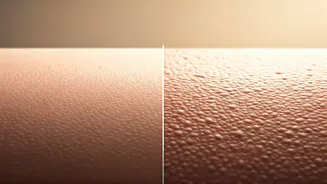
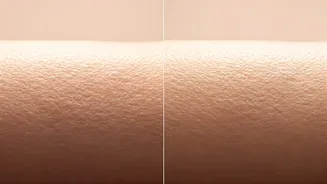
the visible signs of aging, particularly wrinkles. While these users often report initial improvements such as plumper, more hydrated, and toned skin, alongside a smoother complexion, the persistent appearance of wrinkles and sagging skin leads to disappointment. This widespread belief that collagen is a potent anti-aging solution is significantly fueled by marketing and studies, many of which are sponsored by companies that produce these very products. It's crucial to understand that while collagen can indeed enhance skin's appearance, it does not possess the power to halt or undo the natural biological processes that lead to aging. These processes include cellular degradation, hormonal shifts, environmental damage, and genetic predispositions, none of which are arrested by topical or ingested collagen.
Why Production Declines
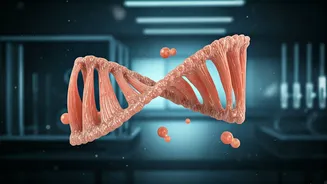
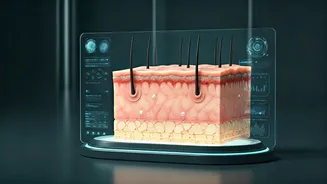
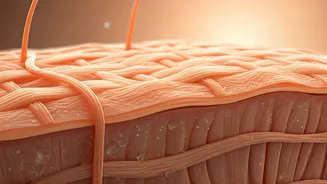
Our bodies naturally produce collagen, a fundamental protein responsible for maintaining skin's firmness, smoothness, and elasticity. However, this intrinsic production begins to wane as we age, typically starting around our mid-twenties. This gradual decrease in collagen levels directly contributes to a loss of skin elasticity, which in turn manifests as fine lines, wrinkles, and a less taut appearance. Several factors can exacerbate this decline: a diet high in sugar can lead to stiffening and brittleness of collagen fibers, while hormonal changes, such as the significant drop in estrogen experienced during menopause, also play a crucial role in reducing collagen synthesis and impacting skin structure.
Collagen's Journey Ingested
When you consume collagen in the form of supplements or food, your digestive system treats it like any other protein. It is broken down into its fundamental building blocks: amino acids. These individual amino acids then enter your body's general amino acid pool, a shared resource available for various bodily functions. Crucially, these amino acids do not possess a targeted pathway directly to your skin or facial tissues. Instead, your body intelligently allocates these resources to areas where they are most critically needed at that moment, which may not necessarily be your skin. Therefore, the notion that ingested collagen directly repairs or rebuilds skin collagen is a misconception.
Aging: A Multifaceted Process
The process of aging is influenced by a complex interplay of numerous variables, extending far beyond just collagen levels. Factors such as prolonged exposure to the sun's ultraviolet (UV) radiation, dietary habits, the degree of daily stress, quality of sleep, and overall health status significantly shape how our skin and bodies age. While collagen can contribute to maintaining good skin quality, its effectiveness is contingent upon addressing these other critical lifestyle and environmental elements. Focusing solely on collagen without considering these broader aspects will limit its potential benefits and lead to unmet expectations regarding anti-aging outcomes.
Effective Wrinkle Management
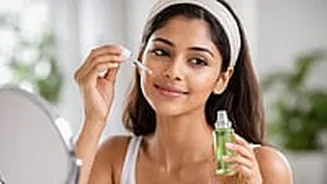
For genuine wrinkle prevention and management, proven strategies are available. The most effective method to shield your skin from collagen degradation caused by UV rays is consistent use of sunscreen. Topical retinoids offer another powerful avenue; they can actively stimulate the body's own collagen production and simultaneously inhibit enzymes that break down existing collagen. Furthermore, adopting a holistic approach encompassing a balanced diet, abstaining from smoking, and diligently managing sugar intake are far more impactful for preserving skin structure and youthful appearance than relying on collagen products alone. While collagen supplements and topical treatments might offer a marginal improvement in skin hydration and a feeling of fullness, these effects are typically subtle and transient.