



A Tradition Under Scrutiny
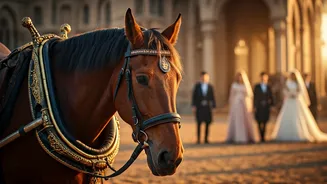
The grand spectacle of an Indian wedding often includes the groom's arrival on horseback as part of the 'baraat,' a procession deeply ingrained in many
cultural celebrations and considered an auspicious sign. However, this vibrant custom has come under intense scrutiny thanks to Shantanu Naidu, a well-known figure in the Indian business world, who has launched a powerful campaign to question the ethical implications of this practice. Naidu, through his social media platform 'Sock Talks,' has released a video that vividly illustrates the immense physical and psychological toll exacted upon these animals, directly challenging the tradition and urging a re-evaluation of its continuation in modern times. His impassioned plea, stating, 'If you have included a horse in your wedding procession, there is blood on your hands,' has resonated widely, igniting a debate that delves into the moral responsibilities of celebrating at the expense of animal welfare. This emerging discourse signifies a growing awareness and a desire to align celebratory practices with ethical considerations, prompting many to reconsider long-held traditions.
Behind the Festive Facade
Naidu's video offers a stark, unvarnished look at the often-unseen suffering of horses destined for wedding baraats. He details the inhumane transportation methods, where animals are confined in cramped trucks lacking adequate ventilation and light, essentially enduring a stressful journey before the festivities even commence. Furthermore, the horses are deliberately deprived of food and water for extended periods prior to the event, a measure taken purely to prevent them from soiling the wedding venue. The plight doesn't end there; these animals are frequently forced to stand for hours on scorching hot asphalt or concrete surfaces. This is particularly agonizing because their hooves are not designed to withstand such harsh, unforgiving terrains, leading to significant pain and discomfort, which Naidu aptly compares to the excruciating sensation of having one's nails pulled. This graphic depiction sheds light on the considerable physical distress these animals endure, often overlooked in the joy and fervor of wedding celebrations, revealing a cruel reality hidden beneath the celebratory veneer.
Methods of Control and Distress
The mistreatment of horses in wedding processions extends beyond transport and environmental discomfort; it also involves disturbing methods of control. Naidu reveals that in order to manage the horses, especially amidst the cacophony of loud music and the startling bursts of fireworks common in Indian weddings, handlers sometimes resort to placing 'steel spikes' in the animals' gums. This painful contrivance is used to ensure compliance and prevent any outward signs of distress or resistance. The sheer intensity of the auditory and visual stimuli during a baraat is enough to overwhelm any animal, and these devices serve to suppress any natural reactions, forcing them to endure the ordeal silently. Naidu's grim conclusion, stating that 'In India, the luckiest horses are the ones that die early,' underscores the extreme suffering these animals face. This sentiment reflects a deep concern for their well-being and highlights the urgent need to abolish practices that inflict such profound cruelty.
A Growing Call for Change
Shantanu Naidu's compelling video has ignited a significant online conversation, garnering millions of views and prompting many to share their personal reflections and evolving perspectives on the tradition. The comments section of the viral post has become a platform for individuals to voice their concerns and advocate for more compassionate choices. One heartening example comes from a user who recounted how, during their daughter's wedding, they successfully dissuaded the son-in-law from arriving on horseback, opting instead for a car. Another commenter articulated a widely shared sentiment, questioning the necessity of 'riding animals purely for entertainment' when modern alternatives like automobiles are readily available, and suggesting that a shift towards more considerate forms of celebration is essential. This collective sentiment indicates a burgeoning movement towards prioritizing kindness and ethical considerations in wedding customs, with many explicitly choosing to forgo the 'ghodi' (horse) in their baraat to ensure no celebration begins with the harm of a living being, aiming for weddings that truly embody compassion.