







Economic Shifts Impacting Travel
Sri Lanka, historically a budget-friendly tourist destination, is experiencing an upward trend in travel expenses. This shift is largely attributed to the
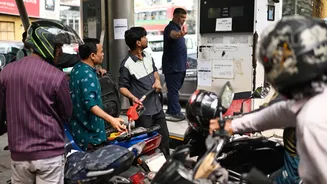
nation's significant reliance on imported energy. Consequently, fluctuations in global crude oil prices, exacerbated by geopolitical tensions in regions like the Middle East, directly influence the cost of living and, by extension, tourism. Recent reports indicate a substantial increase, nearing 25%, in Sri Lanka's fuel prices, a clear reflection of disruptions in international oil supply chains. Experts caution that any further escalation of these global conflicts could lead to even steeper price rises, particularly for import-dependent economies like Sri Lanka. This economic reality means travelers should anticipate a higher baseline cost for their Sri Lankan adventures compared to previous years.
Cascading Cost Increases
The ripple effect of increased fuel import costs in Sri Lanka is profound, impacting various facets of the travel experience. Economists highlight that higher energy import bills translate directly into elevated transport fares, increased electricity tariffs, and consequently, higher production costs across numerous industries. For tourists, this translates into a comprehensive rise in expenses, affecting everything from initial airport transfers to the daily costs of accommodation and activities. The immediate consequence is felt in transportation, where fares for tuk-tuks, private taxis, and even public buses are adjusted upwards almost instantly. Experiences like guided tours and safari excursions, which are already premium offerings, are likely to become even more expensive. Furthermore, the aviation sector is not immune, with airlines often passing on increased jet fuel costs to passengers. Air Asia, for instance, has already implemented fare hikes, with ticket prices reportedly rising by 30-40% on certain routes. Hotels and restaurants also face escalating operational costs, driven by fuel needs for power, cooling, and logistics, which are subsequently reflected in room rates and menu prices. Popular tourist destinations might also feel the pinch, as Sri Lanka continues to focus on earning foreign exchange following its 2022 economic crisis, leading to potentially higher entry fees and service costs.
Smart Budget Travel Tips
Despite the current economic climate, Sri Lanka remains an accessible destination for budget-conscious travelers, particularly for those from India. With careful planning, daily expenses can range from approximately Rs 2,000 to Rs 3,500 for budget trips, and Rs 4,000 to Rs 7,500 for mid-range experiences, depending on chosen activities and comfort levels. The key differentiator now is the increased price variability, making travel style a significant determinant of overall cost. To ensure your Sri Lankan trip remains within budget, consider leveraging the country's extensive public transport network, including its scenic and remarkably affordable train and bus services, which can substantially reduce travel expenses. Opting for local guesthouses and homestays over luxury resorts often provides a more authentic cultural immersion at a lower cost. Embracing local cuisine, from street food vendors to small eateries, offers delicious and budget-friendly meal options. Planning and pre-booking accommodations and tours can also help secure rates before potential price surges. Finally, minimizing reliance on private tours by opting for group excursions or self-guided exploration can lead to significant savings, allowing you to experience the beauty of Sri Lanka without overspending.