






The Spice Garden
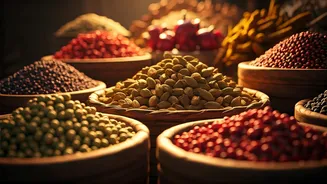
Kerala earns its title, 'Spice Garden of India,' due to its unique climate and fertile land, ideal for cultivating an impressive array of spices. Picture
the districts of Idukki and Wayanad, where the very air carries the scent of cardamom, cinnamon, nutmeg, and ginger. These districts are peppered with sprawling plantations offering a complete sensory experience. Beyond the plantations, the aroma of spices wafts from local markets and infuses every aspect of life, demonstrating how deeply ingrained spices are in Kerala’s identity. It is a region where the history of spice trade shaped its culture and continues to thrive, beckoning travelers to explore its flavorful world and understand its significance in the global spice trade.
Wayanad's Rustic Charm
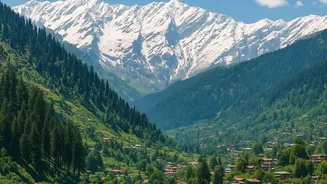
Wayanad presents a charming, rustic experience with its rolling hills adorned with spice farms and homestays that allow visitors to truly experience plantation life. Then there is Kumily, near Thekkady, another bustling hub where spice markets are alive with activity, offering authentic, freshly packed spices to take home. Many plantations arrange cooking classes where visitors can learn to prepare dishes with the very spices they have just seen being harvested. These diverse offerings underscore Kerala's dedication to providing a full, immersive experience that goes beyond just visiting, turning every trip into a chance to engage with the local culture. Travelers often discover unique ways to interact with Kerala’s rich tapestry of sights and experiences.
Ayurvedic Spa Treatments
The integration of spices into Ayurvedic treatments throughout Kerala highlights the region’s dedication to tradition and wellness. Ayurvedic spas incorporate local spices into their therapies, offering a harmonious blend of relaxation and ancient practices. Whether through a turmeric-infused massage or a pepper-based remedy, these treatments allow travelers to connect with centuries-old practices. These spa experiences are more than mere indulgence; they are an intimate encounter with Kerala’s heritage, revealing the deep-rooted relationship between spices, health, and culture. Spices are viewed not just as culinary enhancers, but as essential components of holistic wellness, offering a tangible link to the region's deep historical and cultural connections.
Best Time to Visit
The ideal time to explore Kerala's spice regions is between September and March, when the weather offers pleasant conditions for tours and trekking. During these months, the climate is favorable for exploring the spice plantations and participating in outdoor activities. The monsoon season, from June to August, transforms the landscape into a lush, vibrant green. However, it can also make travel challenging due to heavy rains. These climatic variations significantly affect the visitor's experience. Planning your trip around the best weather can enhance your visit. It enables you to fully appreciate the region's beauty and enjoy outdoor activities with ease, thus ensuring a memorable journey through Kerala's spice-rich landscapes.
Spices and Culture
Spices are more than just a commodity in Kerala; they are integral to its cultural identity. Pepper and cardamom have long been kitchen staples and key elements in Ayurveda, the ancient Indian system of medicine. Ginger and turmeric are highly regarded for their healing properties, while nutmeg and clove are utilized in various remedies and rituals. Even in modern times, Kerala's spices remain central to wellness practices, culinary traditions, and global exports. They represent a connection to the past and its continuous relevance in the present. This enduring influence showcases how spices have woven themselves into the fabric of Kerala’s daily life, shaping its traditions and influencing its global reach.
European Influence
In the late 15th century, the Portuguese, led by Vasco da Gama, arrived in Kerala. They sought control of the spice trade, leading to the establishment of forts and trading posts along the coast. The Dutch and British soon followed, also vying for dominance over Kerala's spice-rich ports. These encounters had a lasting impact, shaping Kerala's multicultural identity. This blend of foreign influences with local traditions showcases the region's ability to absorb and integrate new cultural elements. The result is a vibrant tapestry where historical and cultural diversity is found. Each interaction has contributed to the unique blend of traditions, languages, and customs. It is a place where historical layers are visible in its cuisine, architecture, and social customs.
Global Spice Trade
The allure of Kerala’s spices has attracted traders from across the globe, with ancient Arab traders being among the first to sail across the Arabian Sea in search of black pepper. They called it 'black gold' due to its high value, and it was even used as currency in parts of Europe. Later, Chinese merchants transported Kerala’s spices along the Silk Route, spreading their flavors across Asia. The historical impact of these trade routes is still evident today, providing a link to the past. Modern travelers can retrace this history by visiting Kerala’s spice plantations. Thekkady, in the Idukki District, provides access to sprawling estates and the Periyar Wildlife Sanctuary. These locations offer a chance to walk through cardamom fields and pepper vines, experiencing the earthy aromas and the taste of freshly harvested spices firsthand.