





Solapur's Watermelon Reign
Nestled in the southwestern reaches of Maharashtra, Solapur has firmly established itself as a leading hub for extensive watermelon cultivation, flourishing
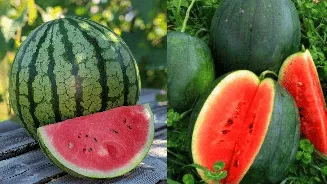
from the cooler late winter months right through the peak of summer. The sheer abundance of these fruits is evident throughout the region; vast fields dedicated to watermelon farms line the highways, and a significant surge in supply floods local marketplaces as temperatures begin their ascent. The watermelons cultivated in Solapur are not confined to local consumption; they are distributed to wholesale markets across Maharashtra and even to neighboring states, solidifying the city's crucial role as a primary supplier during a period of consistently high demand. This reliable, seasonal influx of the fruit has organically earned Solapur its informal yet widely recognized title as India's Watermelon Capital.
Ideal Conditions for Growth
The environmental and agricultural conditions surrounding Solapur are remarkably conducive to cultivating watermelons on a grand scale. Several key elements converge to facilitate this high-volume production. The region experiences intensely hot summers, blessed with extended daylight hours that are instrumental in ensuring the fruits mature uniformly and develop optimal sweetness. Complementing the heat is the soil composition: well-drained earth prevents waterlogging, a common issue that can harm delicate root systems. Furthermore, the availability of irrigation, significantly bolstered by the Bhima river system and the Ujjani Dam, provides a crucial water source for the crops. These natural advantages are further enhanced by farming methodologies that have been honed and perfected over many generations, contributing to Solapur's status as a prime watermelon-producing area.
Popular Watermelon Varieties
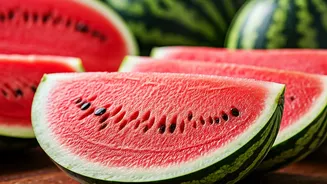
Solapur is home to a diverse array of watermelon cultivars, each offering unique characteristics. Among the most favored in Maharashtra is the 'Kiran' variety, celebrated for its vibrant pink to deep red flesh, a slightly granular texture, and an exceptionally sweet profile. The 'Sugar King' hybrid is also widely cultivated, known for its impressive yields and producing fruits that are medium to large in size with luscious red flesh. For those seeking something different, the 'Yellow Watermelon' presents a less common, more premium option with its distinctive yellow or orange flesh, offering a subtly tropical flavor. Conveniently found in local markets are seedless watermelons, prized for their ease of consumption. More recent additions include 'Force 9', a hybrid recognized for its high productivity and enhanced fruit quality. Beyond these, farmers also grow other notable varieties such as Arka Manik, Arka Jyoti, Asahi Yamato, and Pusa Bedana, depending on seasonal availability and market demand.
Watermelon as Daily Food
In Solapur, watermelon transcends its typical role as a mere dessert; it is embraced as an integral part of the daily summer diet across all socioeconomic strata, rendering it one of the most accessible seasonal foods available. Families commonly purchase whole watermelons, slicing them fresh at home and refrigerating portions for continuous snacking throughout the day. On the bustling streets, vendors offer chilled, freshly cut chunks and wedges, providing immediate relief from the oppressive heat for passersby. When shopping in the markets, consumers meticulously assess sweetness, vibrant color, and desirable size before making a purchase, with the morning hours typically seeing the highest activity. Ultimately, the profound value placed on watermelon in Solapur stems from its exceptional hydrating and cooling properties, which explains its widespread popularity among all age groups during the sweltering summer months.
Vibrant Market Activity
During the peak watermelon season, Solapur's wholesale markets, or mandis, spring to life very early in the day. Farmers arrive with their freshly harvested watermelons, and traders engage in swift negotiations to finalize prices before the day's intense heat takes hold. From these central markets, the fruit embarks on its journey to neighborhood stores and street-side vendors. For anyone interested in the intricacies of food distribution, these markets offer a compelling demonstration of how rapidly a perishable, seasonal commodity moves from the farm to the consumer's table. The paramount importance of maintaining freshness dictates the fast-paced nature of these transactions, while prices are subject to daily fluctuations. Consumption patterns are heavily influenced by prevailing temperatures, underscoring watermelon's status as one of the most weather-dependent foods of the summer season. While Solapur might not be renowned for complex regional culinary creations, its significant contribution to India's summer food landscape is undeniable, showcasing how a single seasonal fruit profoundly shapes agricultural practices, market dynamics, and daily eating habits throughout the hottest part of the year.