






Introduction to Dietary Needs
Managing cancer often involves significant dietary changes, due to the effects of treatment such as chemotherapy or radiation therapy. Cancer treatments
can frequently lead to side effects like nausea, loss of appetite, and changes in taste, making it difficult to maintain a balanced diet. However, a well-planned diet is crucial for supporting the body's strength, aiding recovery, and maintaining overall well-being. Indian cuisine, with its diverse ingredients and cooking styles, provides numerous options to meet these dietary needs, offering gentle flavors and easily digestible options, helping to make mealtimes more manageable and enjoyable during treatment. This selection of recipes aims to provide nutritious and appealing meals, tailored for cancer patients.
Moong Dal Khichdi Comfort
Moong Dal Khichdi is a quintessential Indian comfort food, perfect for cancer patients because of its gentle nature and ease of digestion. This simple dish combines split yellow moong dal with rice, providing a good balance of carbohydrates and protein. To prepare, gently sauté a few spices like cumin seeds, turmeric, and asafoetida in ghee or a mild oil. Add the moong dal and rice, then cook in water until soft. This recipe is often modified to include vegetables such as carrots and spinach for added nutrients. The soft texture and mild flavors make it easy to consume, especially for those experiencing mouth sores or difficulty swallowing. It offers a comforting and filling meal, easily customizable based on individual tolerance and taste preferences. It provides a base of essential nutrients that are very important for recovery.
Easy Vegetable Soup Power
Vegetable soup is an incredibly versatile and nutritious option, providing a wide array of vitamins and minerals. The beauty of vegetable soup lies in its adaptability; it can be made with various vegetables depending on seasonal availability and personal preferences. Begin by sautéing mild spices such as ginger and garlic, if tolerated, in a light oil. Add a mix of easily digestible vegetables like carrots, bottle gourd (lauki), and spinach. Cook these until they soften, then add water or vegetable broth. Blend to a smooth consistency or leave it chunky, according to preference and tolerance. Vegetable soup is an excellent way to hydrate, and it is easily consumed, offering both nutrition and a soothing effect. It can also be easily modified with small amounts of cooked chicken or lentils for additional protein, making it a complete meal that’s gentle on the system.
Roti with Soft Paneer
Roti with soft paneer is a simple yet effective meal option, delivering a combination of carbohydrates and protein with a gentle flavor profile. Roti, an Indian flatbread, is usually made with whole wheat flour, which offers fiber and is relatively easy to digest. Paneer, or Indian cheese, is a soft, fresh cheese that is rich in protein and often well-tolerated. To prepare this meal, lightly cook the rotis, and serve them with soft paneer. If the patient can tolerate, paneer can be lightly sautéed with minimal spices or made into a soft curry using tomatoes and a touch of ginger. This combination is an excellent source of protein, helping to maintain muscle mass, which is often affected during cancer treatment. It can be easily modified by using different types of roti, like those made from rice flour or oats, to adjust for individual dietary needs and preferences.
Banana and Yogurt Delight
Banana and yogurt is a readily available, easily digestible snack or light meal that’s both nutritious and appealing. Bananas are a good source of potassium and provide a natural sweetness that can help stimulate appetite, especially when undergoing treatment. Yogurt, particularly plain or Greek yogurt, is a source of probiotics, which can help support gut health, which is very important as treatments can sometimes disrupt the balance of the gut flora. To prepare, simply mash a ripe banana and mix it with yogurt. You can add a pinch of cardamom or a sprinkle of cinnamon for added flavor, if tolerated. This combination is gentle on the stomach and provides a source of quick energy. It can be easily adapted by substituting the banana with other soft fruits like mango or papaya, depending on individual preferences and dietary recommendations.
Oats Porridge Nourishment
Oats porridge is an excellent breakfast or light meal option, known for its gentle nature and high fiber content. Oats provide a slow release of energy and can help with regulating bowel movements, which is often affected by cancer treatments. Prepare oats porridge by cooking rolled oats in water or milk (dairy or non-dairy), depending on tolerance and preference. You can add a touch of sweetness with a small amount of jaggery or honey, if tolerated, and spice it with a pinch of cinnamon or cardamom. To boost the nutritional value, incorporate finely chopped fruits like cooked apples or pears, known for their easy digestibility. The texture of oats porridge can be easily adjusted to suit individual needs; make it thicker or thinner based on your preference. Oats porridge is a versatile meal that is simple, nutritious, and offers a comforting start to the day or an easy-to-manage meal throughout the day.
Rice with Dal and Ghee
Rice with dal and ghee is a classic Indian combination that's both comforting and easy to digest. White rice is generally well-tolerated because of its easily digestible nature, providing a good source of carbohydrates and energy. Dal (lentils) offers protein and fiber, and the addition of a small amount of ghee (clarified butter) adds healthy fats, which are very important in the diet. The dal can be cooked until soft, with minimal spices. Rice is typically cooked separately until soft. Serving the dal over rice and drizzling it with a bit of ghee provides a well-balanced meal that can be easily customized to suit individual preferences. The ghee can improve the absorption of nutrients, and the simplicity of the meal reduces the risk of triggering nausea or loss of appetite. This is a very simple and nourishing meal option, especially helpful when dealing with the side effects of cancer treatment.
Sago (Sabudana) Kheer
Sago, or sabudana, is a light and easily digestible food that is often used in Indian cuisine, making it an excellent ingredient for cancer patients. Sago kheer is a dessert that can be prepared by cooking sabudana in milk (dairy or non-dairy), with a touch of sweetness like jaggery or honey. This kheer is usually flavored with cardamom and garnished with a few finely chopped nuts, if tolerated. The sago itself is very gentle on the stomach and provides a good source of carbohydrates, and the milk adds protein and calcium. The kheer can be adjusted to be thinner or thicker, depending on individual preferences and tolerance. This dish can be enjoyed as a light dessert or a snack that offers both nourishment and a sense of comfort, which is especially important during cancer treatment.
Khichdi with Vegetables
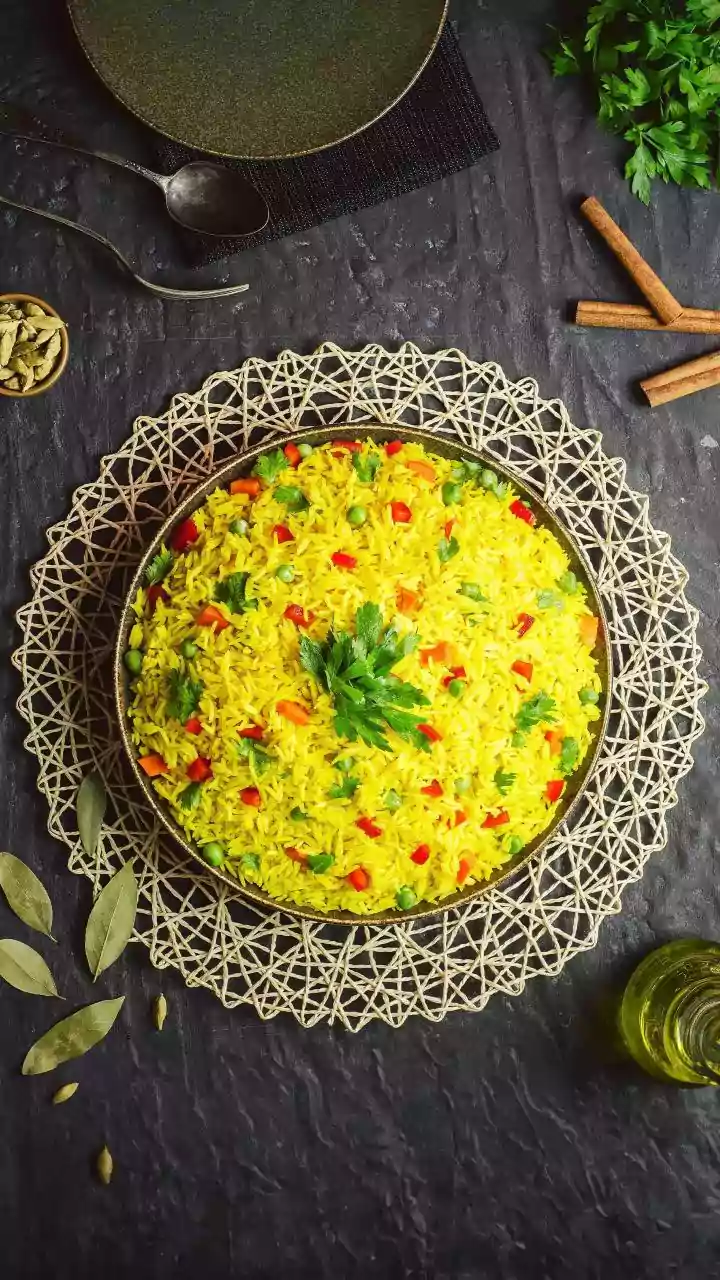
Khichdi with vegetables is a modified version of the classic Khichdi, providing a nutritional boost with the addition of vegetables. This dish combines rice and lentils, cooked with various vegetables like carrots, peas, and spinach, offering a balanced meal. The vegetables add essential vitamins and minerals, and the lentils offer protein and fiber. The cooking process remains simple, and the spices are kept mild to ensure easy digestibility. This dish is versatile, allowing for the inclusion of a wide variety of vegetables depending on availability and individual preferences. It provides a complete meal, offering a comforting and nourishing option for patients. This is easily customizable by adjusting the vegetable types and quantities based on the patient's individual tolerance and the recommended dietary guidelines during cancer treatment.
Coconut Water Hydration
Coconut water is a natural electrolyte-rich beverage, and its great for maintaining hydration. Cancer treatments, such as chemotherapy, can cause dehydration, so staying well-hydrated is critical. Coconut water contains essential electrolytes like potassium and magnesium, which aid in restoring electrolyte balance. It is also naturally sweet and can help with taste alterations during treatment. Drinking coconut water can soothe nausea and boost energy levels. It can be consumed on its own or used as a base for other beverages or smoothies. It is a light, refreshing, and easily accessible option that supports overall hydration and well-being. It is recommended to choose fresh or minimally processed coconut water to maximize its benefits and avoid added sugars.