






Lanzarote's Volcanic Charm
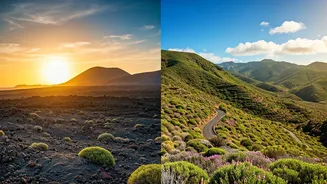
Lanzarote, the easternmost Canary Island, presents a dramatic landscape sculpted by volcanic activity, most notably from eruptions in the 18th and 19th
centuries. This has resulted in a unique, ash-covered terrain devoid of high-rise buildings and major highways. The island's architecture adheres to a distinctive style, with homes painted white, accented by blue trim on the coast and green inland, designed to keep interiors cool. Known for its tranquil atmosphere, Lanzarote encourages leisurely exploration, café visits, and beach relaxation. A significant figure in shaping the island's identity is César Manrique, an artist and activist instrumental in preserving Lanzarote from excessive development. His influence is visible throughout, including his home built into volcanic bubbles, showcasing his creative vision and architectural prowess, which harmoniously integrates with the natural environment. For a taste of local flavors, visitors can enjoy meals featuring fresh, farm-grown produce, cured meats, and cheeses at dedicated eateries. The southern coast offers a relaxing retreat at a resort featuring pools and beach access at Playa Dorada, with dining options that provide views of the neighboring island of Fuerteventura.
Exploring Lanzarote's Wonders
The journey through Lanzarote continues with an exploration of its natural and artistic marvels. A guided bus tour is essential for experiencing the unique landscape of Timanfaya National Park, offering insights into its geological history and making several key stops. Venturing north, visitors can explore the underground world of Cuevas de los Verdes, a lava tunnel stretching approximately 5 miles (8 kilometers), with public access limited to a guided one-kilometer tour. The Jameos del Agua, a lava tunnel transformed into a garden by Manrique and his collaborator Jesús Soto, showcases a diverse collection of cactus species from around the globe, boasting over 4,500 specimens. A casual cafe here offers a unique culinary experience with its signature nopal cactus mini burgers. Further exploration leads to La Geria, the island's renowned wine region. Here, approximately 30 wineries cultivate grapes in small volcanic ash craters, known as 'hoyos,' to shield the vines from the Atlantic winds. A visit to a family-run organic winery allows for wine tastings, thoughtfully paired with artisanal chocolates. The agricultural heritage of the island and Manrique's legacy are honored at the Monumento al Campesino, where visitors can participate in a class to learn the preparation of mojo picón, a traditional red paprika sauce served with papas arrugadas (wrinkled potatoes), or try their hand at a traditional palm leaf braiding technique for hat making. For dining with ocean vistas, a restaurant once designed by Manrique and recently opened near Arrecife provides a memorable experience, complemented by a visit to the salt flats to witness a sunset.
Gran Canaria's Diverse Majesty
In stark contrast to Lanzarote's volcanic terrain, Gran Canaria is celebrated as a 'mini continent' due to its remarkably diverse geography. The island boasts lush vegetation, towering peaks, deep valleys, and arid desert landscapes. Its capital, Las Palmas, features colonial architecture often graced by a gentle layer of fog, affectionately termed 'la panza del burro' or 'donkey's belly' by locals. Designated a UNESCO Biosphere Reserve in 2005, Gran Canaria is an haven for nature enthusiasts, charming small towns, and stargazing aficionados. The island's interior is home to breathtaking natural formations, including the iconic Roque Bentayga, situated near the picturesque mountain village of Tejeda. The capital city, Las Palmas, offers historical charm with its Vegueta district, characterized by colonial mansions, including the Casa de Colón, which now serves as a museum. The drive into the mountainous interior is a scenic adventure, winding through villages nestled in ravines before reaching the tranquil village of Tejeda. Here, accommodation offers stunning panoramic views, and on clear days, Mount Teide, Spain's highest peak, is visible. The island's commitment to astrotourism is further highlighted by opportunities for stargazing nights, enhancing the appeal for those who wish to connect with the cosmos.
Gran Canaria's Cultural Encounters
Delving deeper into Gran Canaria reveals a rich tapestry of history and local life. The northern town of Gáldar holds significant historical importance, having been a former kingdom before the island's conquest, and it preserves one of the island's oldest dragon trees near its town hall. A visit to Finca La Laja offers a journey back in time, with a tour of a 200-year-old farm cultivating oranges, grapes, and coffee in a deep valley, complete with a small winery experience. For a different perspective of the island, a boat trip from Agaete to Pasito Blanco provides stunning coastal views and opportunities for marine encounters. Enjoying a meal at a restaurant in the Pasito Blanco marina, featuring fresh catches of the day or creamy rice dishes, adds a culinary highlight. The southern part of the island invites exploration of the Maspalomas Dunes, a protected natural reserve where walking on the dunes is restricted, allowing visitors to admire their grandeur from designated areas. The historic city of Telde, one of Gran Canaria's oldest settlements, charms with its San Juan and San Francisco neighborhoods, renowned for their characteristic whitewashed houses. Additionally, a visit to a small vineyard run by local proprietors offers an intimate taste of the island's viticulture.
Connecting Your Islands
For those inspired to experience both Lanzarote and Gran Canaria, combining these islands into a single Canary Islands adventure is remarkably straightforward. Binter Airlines facilitates easy travel between the two islands with frequent 45-minute flights, making island hopping a seamless part of your itinerary. Once you arrive on either island, renting a car is highly recommended. This offers the freedom and flexibility to explore at your own pace, enabling you to discover secluded beaches, charming villages, and breathtaking viewpoints that are less accessible by public transport. This self-guided exploration ensures you can fully immerse yourself in the unique character of each island. The Canary Islands enjoy a mild, spring-like climate throughout the year, often referred to by locals as 'eternal spring,' making it a desirable destination regardless of the season. To further enrich your visit, consider timing your trip with local festivals. For instance, the celebration of San Juan on June 23rd is a vibrant event where towns across the archipelago, including Haria on Lanzarote, host bonfires after dark, creating a magical atmosphere. These cultural events offer a deeper connection to the local traditions and festivities of the islands, enhancing the overall travel experience.