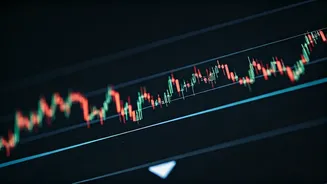










Market Open Outlook
The markets were poised with indicators pointing towards potential gains, considering the Dow Jones' positive performance and the Gift Nifty's favorable
position. This combination signals a generally optimistic outlook for trading today. Investors and market watchers were therefore focusing on these key signals to gauge the overall direction of the market's activity during the trading session. The performance of major global indices, such as the Dow Jones, often provides a critical backdrop for the Indian market, influencing investor sentiment and early trading patterns. Similarly, the Gift Nifty, a derivative of the Nifty 50, serves as an early indicator of how the Indian market might perform, particularly in the initial hours of trading. These preliminary assessments helped set the tone for what could be expected from market movements throughout the day.
Stocks in Focus
Several prominent stocks were drawing particular attention from traders and financial analysts. These stocks were being closely observed for potential trading opportunities and to understand the broader market dynamics. Notable companies included Coal India, Bank of India, Tata Motors, and Reliance Industries. The focus on these specific stocks reflects an interest in understanding how various sectors were positioned and how their respective performances could influence overall market trends. Analyzing these companies provided insights into the economic sectors they represent and potential areas of growth or concern. For instance, Coal India's performance is often tied to the energy sector, while Tata Motors reflects trends in the automotive industry. Examining these stocks also served as a barometer of the market's overall sentiment.
Cost of Settlement
A significant focus was directed towards understanding the rising cost of being financially 'settled' in current economic conditions. The value of ₹2 crore was increasingly viewed as the new benchmark, replacing the earlier standard of ₹1 crore. This highlights the impact of inflation, changing financial needs, and the rising expenses associated with modern living. The shift in this financial benchmark underscored how the actual costs of achieving financial stability have evolved. These factors affect how individuals plan and manage their finances to secure their future. The increased costs were not just limited to property and investments but also encompassed lifestyle expenses, healthcare, and education. This shift had implications for financial planning and wealth management.
Market Dynamics Overview
The overall market pulse was a significant consideration, capturing investor sentiment and the broader economic trends that influenced trading decisions. Market pulse represented the general feeling and perception within the financial markets. This included factors such as trading volumes, volatility, and the reactions of investors to both domestic and international economic events. Keeping a close watch on the market pulse was crucial for interpreting current conditions and making informed decisions. It served as a composite indicator of what's happening in the market, providing a snapshot of the general mood and the factors that could push the market up or down. Key economic reports, global events, and geopolitical developments constantly influenced the market pulse. The market pulse affects trading strategies.