


Seed Selection & Prep
To cultivate your own strawberries from seed, begin by making wise choices for your starting materials. Opt for open-pollinated Alpine or wild strawberry
varieties, as commercially grown strawberries are hybrids and their seeds won't reliably produce plants true to their parentage. Freshness is also key; while strawberry seeds can remain viable for up to five years, you'll see the best germination results with seeds that are less than two years old. Most strawberry varieties require a period of cold stratification to effectively germinate, a process you can easily simulate at home. Approximately 14 to 16 weeks before your last expected frost, place your chosen seeds in a sealable bag or jar and refrigerate them for three to four weeks. This chilling period mimics the natural conditions necessary for breaking dormancy. After removing them from the cold, allow them to gradually reach room temperature for a full day while still sealed. Even if you're unsure whether a specific variety needs stratification, it's a harmless process that can only benefit germination.
Planting Your Seeds
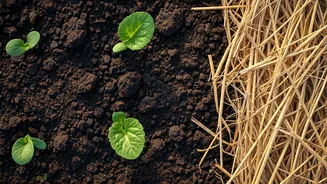
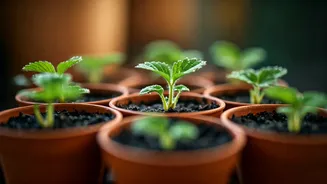
Following the cold stratification period, it's time to bring your strawberry seeds to life. About 10 to 12 weeks prior to the anticipated last spring frost, prepare your seedling trays by filling them with pre-moistened seed-starting mix. Gently place three to four of the tiny seeds onto the surface of the soil; these minuscule seeds require light to germinate, so avoid covering them. Instead, lightly press them down to ensure good contact with the moisture. Mist the soil surface regularly to maintain a consistently, lightly moist environment. Ensure your seedlings receive ample light, either by positioning the tray in a sunny windowsill or utilizing grow lights. Under ideal germination conditions, around 65°F, you can expect most seeds to sprout within 14 to 28 days, though some may take a bit longer. Continue to keep the soil moist, but not waterlogged, and begin feeding the young sprouts every two weeks with a half-strength all-purpose liquid fertilizer. Once the seedlings develop a few sets of true leaves, it's time to transplant each into its own 4-inch pot, providing them with adequate space for root development.
Nurturing Seedlings
As your strawberry seedlings grow taller, reaching approximately 3 inches, and the threat of frost has entirely passed, the crucial process of hardening them off outdoors can begin. While mature strawberry plants possess a good degree of cold hardiness, young seedlings are quite vulnerable and require a gradual acclimation period to the harsher outdoor elements. Alpine strawberries, unlike their hybrid counterparts, typically don't produce runners but form dense, bushy clusters. This growth habit makes them particularly well-suited for container gardening in standard pots or specialized strawberry pots. Alternatively, they can be planted directly into garden soil, spaced about 6 to 8 inches apart. For optimal growth and fruit production, ensure strawberries receive at least six hours of direct sunlight daily, with more being even better. In regions experiencing intense heat, a location offering morning sun and afternoon shade is advisable to shield them from scorching rays. Plants situated in pots, planters, or hanging baskets also benefit from afternoon shade during hot weather. Consistent soil moisture is vital, especially when the plants are flowering and producing fruit; water them regularly if rainfall is insufficient. Drip irrigation systems are highly recommended for strawberry beds to ensure steady hydration. Applying mulch around the base of the plants helps retain soil moisture and keeps the developing fruit clean. To protect your precious berries from birds and small mammals, consider using netting or hardware cloth.
Ongoing Care & Harvest
To foster healthy strawberry plants and encourage robust fruiting, consistent care is essential throughout their growth cycle. Apply a balanced, slow-release 10-10-10 granular fertilizer in the spring and again in the autumn to provide sustained nutrition. Regularly removing old, spent leaves after the fruiting season will help keep the plants tidy and stimulate new growth. The timing of your first strawberry harvest after planting from seed can vary significantly. It depends on factors such as the specific variety chosen, the date you initiated the sowing process, and the overall length of your growing season. Some faster-maturing varieties, like 'Alexandria,' may offer a modest yield of fruit in the late summer or fall of the initial year. However, a truly substantial harvest is typically anticipated in the second year after planting, by which time the plants will have matured and established themselves more fully. Therefore, patience is a virtue when growing strawberries from seed, but the reward of plump, flavorful homegrown berries is well worth the effort.