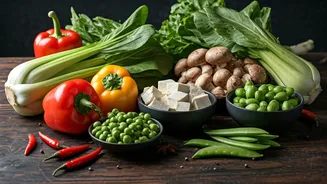

Embrace Plant-Based Goodness
Vegan lasagna is a fantastic way to enjoy a comforting classic while embracing a plant-based lifestyle. Unlike traditional lasagna, which often contains
meat and dairy, the vegan version focuses on fresh vegetables, flavorful sauces, and creative alternatives for cheese and meat. The primary appeal of this approach lies in its ability to offer a familiar and beloved dish with all the benefits of a diet rich in plants. By swapping out animal products with plant-based alternatives, this recipe offers a more compassionate and environmentally friendly option. This recipe demonstrates that a vegan lifestyle doesn't mean giving up your favorite foods; instead, it means reimagining them with wholesome ingredients and delicious results.
Tofu Ricotta's Magic
A critical component of a great vegan lasagna is a good alternative to the traditional ricotta cheese. This recipe spotlights tofu ricotta, a homemade version that offers a creamy texture and delicious flavor. Tofu is a versatile ingredient, and when processed properly, it can emulate the texture of ricotta. The recipe typically involves blending firm or extra-firm tofu with lemon juice, nutritional yeast, garlic, and herbs. Nutritional yeast imparts a cheesy flavor, helping to make the tofu ricotta a truly satisfying substitute. The result is a creamy, flavorful filling that adds richness and depth to the lasagna. This homemade tofu ricotta is a testament to how creative cooking can transform simple ingredients into something extraordinary.
Layering the Flavors
Building the layers of a vegan lasagna requires a balance of flavors and textures. The process usually starts with a flavorful tomato sauce. A generous layer of the sauce forms the base, followed by a layer of cooked lasagna noodles. Next comes a layer of the tofu ricotta, offering a creamy, cheesy element. Then, add a mix of vegetables such as spinach, zucchini, mushrooms, and onions. Repeat these layers, finishing with a final layer of sauce and perhaps some vegan mozzarella. Baking the lasagna ensures all the flavors meld, resulting in a dish that is both satisfying and flavorful. The layering process might appear complex, but each layer contributes a distinct flavor, culminating in a beautiful and delicious meal.
Vegetable Variations Galore
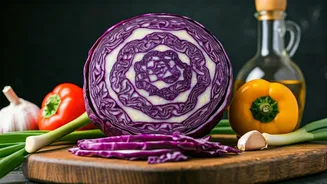
One of the great benefits of vegan lasagna is its flexibility. You can experiment with a wide range of vegetables to customize your dish. Spinach, zucchini, and mushrooms are popular choices, adding texture and nutritional value. Roasted bell peppers, caramelized onions, or even eggplant can also be incorporated. The key is to select vegetables that complement the flavors of the sauce and tofu ricotta. Pre-cooking some vegetables, such as onions and mushrooms, can help release their flavors and prevent excess moisture in the lasagna. Adding different vegetables allows you to adapt the recipe based on seasonality and personal preference, making each vegan lasagna unique.
Baking to Perfection
Baking is crucial to achieving a perfectly cooked vegan lasagna. The goal is to heat the ingredients through and to allow the flavors to merge into one delicious taste. The oven temperature and baking time will depend on your recipe and oven, but generally, you'll want to bake the lasagna covered for a period to retain moisture. Near the end of the baking time, you can remove the cover to brown the top layer, creating a satisfying crust. Once the lasagna is baked, letting it rest for a few minutes before slicing is important. This allows the layers to settle and makes it easier to serve. A well-baked vegan lasagna provides a warm, comforting meal that is both healthy and enjoyable.