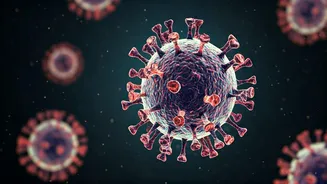








What is Hantavirus?
Hantavirus refers to a group of viruses predominantly harbored by rodents, such as mice and rats, without causing them illness. These viruses can be transmitted
to humans through their contaminated urine, droppings, and saliva. Once contracted, the virus can manifest in two primary forms: hantavirus pulmonary syndrome (HPS), which affects the lungs and is particularly severe with mortality rates potentially reaching 30-40 percent, and haemorrhagic fever with renal syndrome (HFRS), which impacts the kidneys. HPS is recognized as the more acute and life-threatening manifestation of the two.
Origins and Spread
The history of hantavirus dates back to its initial identification near the Hantan River in South Korea, a discovery made decades ago. Since that time, various strains have been identified globally, each associated with different rodent carriers. This means exposure isn't confined to a single geographical area; hantaviruses can be encountered in diverse environments, including rural farmlands, forested regions, and even urban settings, underscoring the widespread potential for human contact.
Transmission Pathways
Hantavirus is not readily transmissible from person to person. The primary mode of infection occurs when individuals inhale airborne particles containing rodent urine or droppings. Direct contact with contaminated surfaces can also lead to infection. Less commonly, transmission can happen through ingesting food that has been contaminated by rodents or via rodent bites. While exceedingly rare, a few instances of limited human-to-human spread have been documented in South America. In the context of the cruise ship incident, environmental contamination of spaces or supplies is suspected as the likely source.
Recognizing Early Symptoms
Initial symptoms of hantavirus infection often mimic those of the common flu, making early detection challenging. Typically appearing one to three weeks post-exposure, early signs can include fever, chills, muscle aches, headaches, fatigue, and gastrointestinal discomforts like nausea or stomach pain. As the illness progresses, it can rapidly escalate to severe respiratory distress. Warning signs of worsening condition include shortness of breath, coughing, chest pain or tightness, a rapid heartbeat, and the accumulation of fluid in the lungs, indicating a critical and rapidly evolving health crisis.
Dangers of Hantavirus
The danger of hantavirus lies in its severe impact on vital organs, primarily the lungs and kidneys, and occasionally both. The virus causes blood vessels to become leaky, leading to fluid accumulation, particularly in the lungs, which critically impairs breathing. Many infected individuals require intensive medical care, including oxygen therapy and mechanical ventilation. Currently, there are no specific antiviral treatments or vaccines available for hantavirus, meaning medical management relies solely on supportive care, making prompt diagnosis and intervention paramount.
Protective Measures
Preventing hantavirus infection hinges on minimizing contact with rodents and their waste. Maintaining clean living and sleeping areas, free from food debris and clutter, is essential. Seal any entry points, such as gaps and holes, that rodents might use to access buildings. When dealing with rodent droppings or nests, avoid sweeping or vacuuming; instead, use disinfectants, wear gloves, and ensure proper ventilation. Exercise caution in high-risk environments like cabins or warehouses, using protective gear when necessary. Vigilantly monitor your health, especially for a sudden worsening of flu-like symptoms after potential exposure, and practice regular hand hygiene, avoiding touching your face.