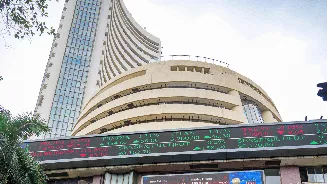








Record Lows: ₹91.81
The Indian Rupee recently touched a new record low, trading at ₹91.81 against the US dollar. This depreciation signifies a loss in the Rupee's value relative
to the US dollar, a currency widely used in international trade and finance. Several global and domestic factors play a role in influencing the exchange rate. The strength of the US dollar, often considered a safe-haven asset, can put downward pressure on other currencies, including the Rupee. Furthermore, domestic economic conditions, such as inflation rates, trade deficits, and foreign investment flows, also contribute to currency fluctuations. The Rupee's performance is closely watched by economists, businesses, and policymakers as it directly impacts import costs, export competitiveness, and overall economic stability.
US Dollar's Influence
A major contributor to the Rupee's weakness is the strength of the US dollar. The US dollar’s rise is often driven by factors like rising interest rates in the US, which make dollar-denominated assets more attractive to investors globally. When investors seek the safety of the dollar, they tend to pull their investments from riskier markets, creating increased demand for the dollar and, consequently, a weaker Rupee. Economic indicators from the US, such as employment data and inflation figures, greatly influence the dollar's value. Stronger economic data in the US typically lead to a stronger dollar, while weaker data might result in the opposite. The global financial markets' perception of the US economy, and the Federal Reserve's monetary policies play a very important role in this trend, ultimately impacting the value of the Rupee.
Economic Impact: Imports
A depreciating Rupee has significant implications for the Indian economy, particularly affecting imports. As the Rupee weakens, the cost of importing goods and services denominated in US dollars increases. This means Indian businesses and consumers must pay more rupees to acquire the same amount of imported goods, increasing the overall cost of living. Businesses reliant on imported raw materials or intermediate goods, such as those in manufacturing and technology, face increased production costs. This could lead to higher prices for consumers, potentially contributing to inflationary pressures within the economy. Furthermore, the rising cost of imported energy, such as crude oil, can further exacerbate inflationary pressures, impacting fuel prices and transportation costs across various sectors.
Exports and Competitiveness
While a weaker Rupee can increase the cost of imports, it can also potentially benefit Indian exporters by making their products and services relatively cheaper for international buyers. This enhanced price competitiveness could boost export volumes and increase revenue for Indian businesses. Sectors with a significant export presence, like textiles, pharmaceuticals, and software services, stand to gain from a favorable exchange rate. The impact, however, also depends on various external factors, including global demand and trade policies. Furthermore, exporters need to be agile and able to manage currency fluctuations to fully capitalize on these gains. The ultimate impact on export growth depends on the ability of Indian businesses to take advantage of the opportunities presented by a weaker Rupee.
Policy Responses & Outlook
The Reserve Bank of India (RBI) often intervenes in the foreign exchange market to manage the Rupee's fluctuations and mitigate the adverse impacts of a sharp decline. The RBI may sell US dollars from its foreign exchange reserves to stabilize the Rupee's value and prevent excessive depreciation. Besides direct interventions, the RBI also uses monetary policy tools, such as adjusting interest rates, to influence capital flows and manage inflation. The government may also take measures to address the underlying economic factors influencing the Rupee. This includes fiscal policies aimed at controlling inflation, promoting exports, and attracting foreign investment. The outlook for the Rupee will depend on a number of variables, including the global economic conditions, the strength of the US dollar, and domestic economic policies.