



Beetroot: The Original Tint
Long before lipstick tubes, ancient Indian royalty embraced beetroot as a primary source for lip color. Its rich betalain pigments naturally yield shades
ranging from deep reds to soft pinks, offering a subtle stain that enhances the lips. Beyond mere coloration, beetroot was prized for its hydrating properties, bestowing a healthy, natural sheen that has inspired modern beauty formulations seeking to replicate its organic charm and efficacy. This humble root was the original multitasker, providing both color and care for a timeless allure.
Lac: Royalty's Crimson Secret
Lac, a vibrant dye derived from insect secretions, held a distinguished place in the ancient Indian cosmetic repertoire. It was revered for imparting a luscious, deep red pigment that was not only used on the lips but also applied as 'alta' on hands and feet, and as a gentle blush on cheeks. This prized natural color was intricately linked with ritual, royalty, and a sense of refined sensuality, signifying status and luxury. Its deep, glossy hue represented opulence and was a hallmark of regal beauty, far surpassing simple adornment to become a symbol of power and prestige.
Manjistha: Ayurvedic Elixir
Manjistha, a cornerstone of Ayurvedic beauty traditions, was a cherished ingredient for both skin enhancement and lip coloring. It yields an earthy red to soft pink tone, and remains a popular choice, prepared in pastes and powders even today. Beyond its aesthetic contributions, Manjistha is celebrated for its internal 'blood-purifying' qualities, which contribute to overall skin health. When blended with oils or ghee, it ensures a smooth application, making it a prime example of 'clean beauty' principles embraced by ancient civilizations seeking holistic wellness and natural radiance.
Saffron & Turmeric Blend
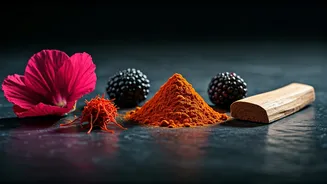
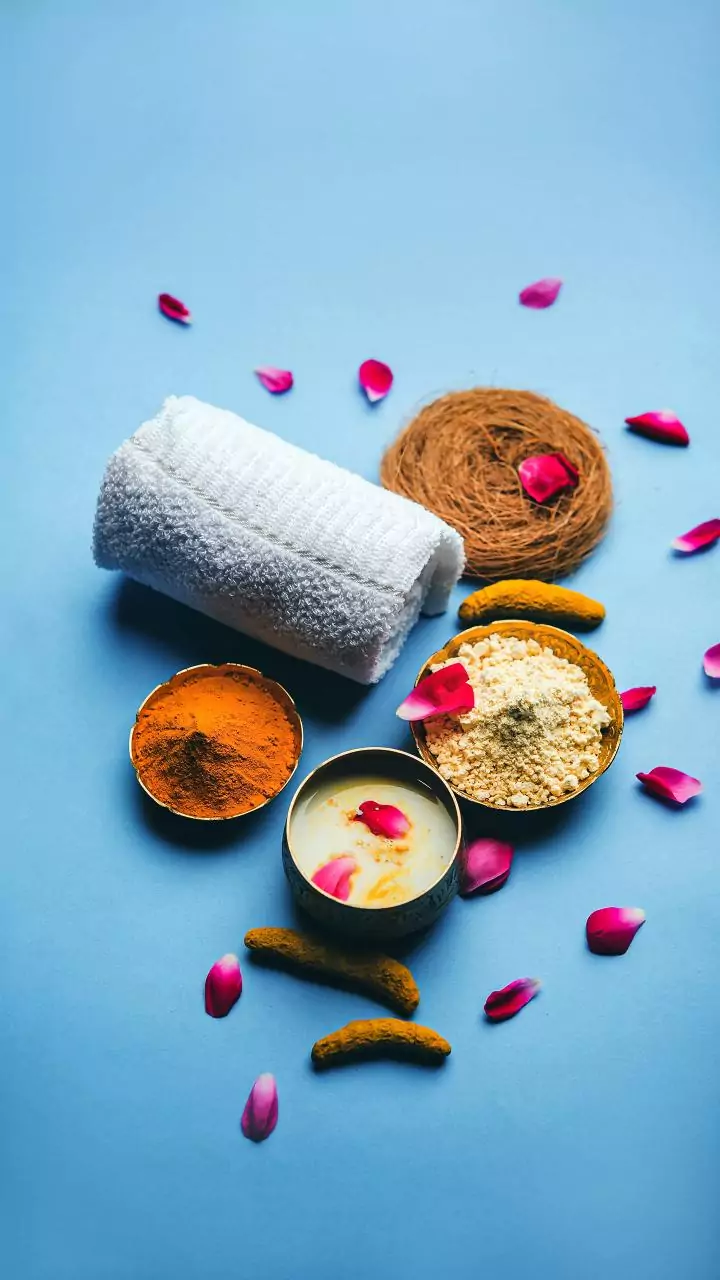
Not all ancient lip colors leaned towards deep reds; some offered a more delicate radiance. The blend of saffron (kesar) with turmeric and other natural elements created a soft, luminous orangish-golden hue. This warm, subtle glow was particularly favored by brides and queens who appreciated a sheer, lustrous finish. This combination exemplifies the nuanced approach to beauty in ancient India, where ingredients were chosen not just for color but also for the gentle luminosity and refined appearance they imparted, offering a departure from bolder shades.
Floral Pigmentations: Nature's Palette
Flowers were instrumental in the vibrant palette of ancient Indian beauty rituals. Petals from beloved blooms such as roses and bougainvillea were crushed to extract their natural pigments. These potent extracts were then artfully combined with nourishing oils and beeswax to craft balmy lip shades. This method allowed for a diverse range of colors, from striking bright reds to soft, romantic pinks, demonstrating how flowers were not merely decorative but functional elements in the queens' daily adornment, embodying a sophisticated understanding of botanical cosmetics.