







Understand Your Body
Before embarking on a weight gain journey, it's crucial to pinpoint the underlying reasons for being underweight. This involves consulting with a nutritionist
or healthcare professional to analyze your body's specific challenges, whether they stem from inadequate eating habits, prolonged meal gaps, poor food choices, an imbalance in calorie intake versus expenditure, malabsorption issues, or underlying health conditions like eating disorders. Identifying the root cause is the foundational step towards formulating an effective and personalized weight gain plan, ensuring that your efforts are directed towards sustainable and healthy results rather than temporary fixes. Understanding your unique metabolic and physiological makeup is paramount to success.
Gradual Calorie Increase
The common Indian notion that 'thin people don't gain weight' needs to be dispelled. Healthy weight gain is a gradual and permanent process. Aim to increase your daily calorie intake by approximately 500 kcal. This moderate surplus can contribute to gaining about 0.5 kg per week, though the exact rate depends on individual factors like metabolism, gender, current weight, and height. Focus on nutrient-dense foods rather than simply increasing food quantity. This approach ensures that the weight gained is lean muscle mass and healthy fat, not just unhealthy adipose tissue, setting a sustainable pace for your body to adapt and build.
Strength Training Focus
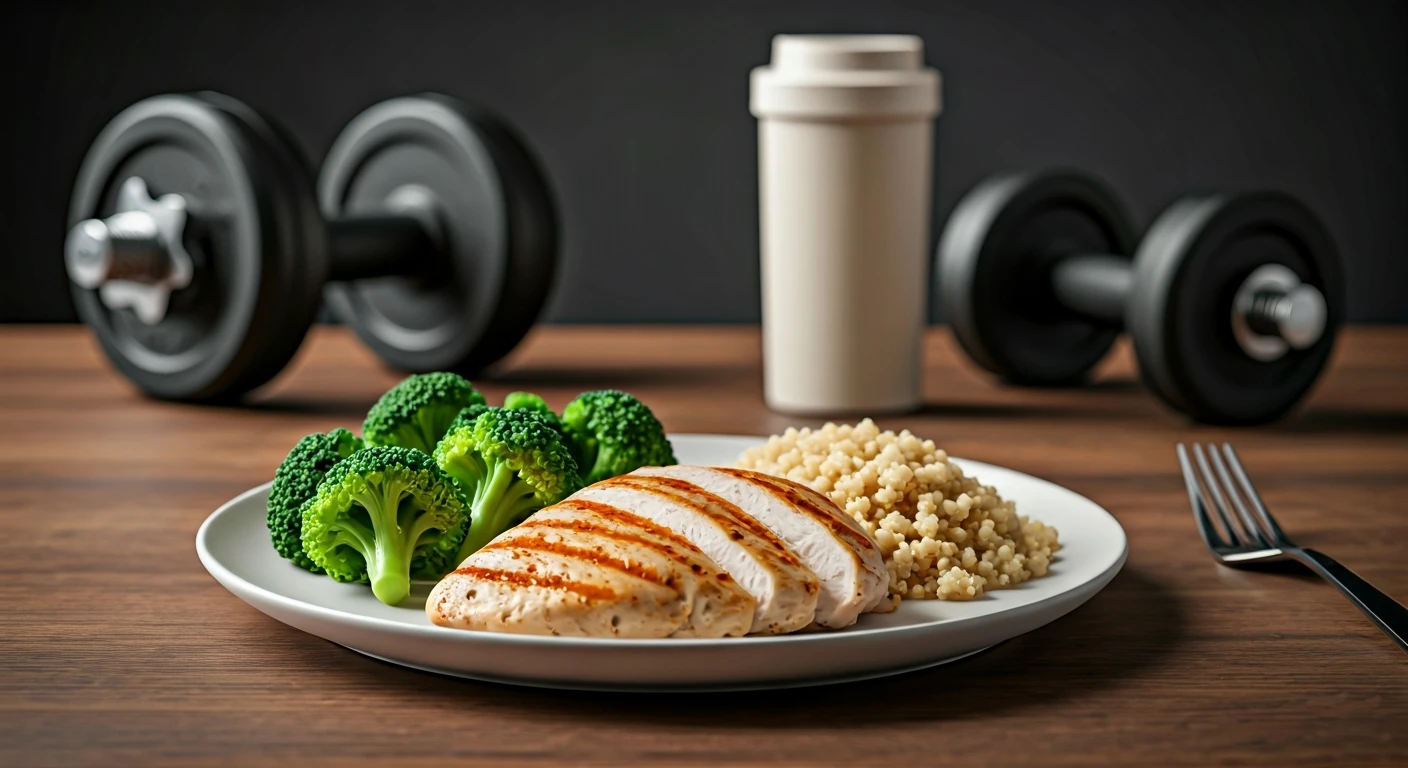
Contrary to the belief that no physical activity is needed for weight gain, regular exercise is vital to ensure weight is distributed healthily. Engaging in a balanced fitness routine that includes cardio, flexibility, and strength training is essential. Specifically, weightlifting is critical for building lean muscle mass, which is the desired outcome for healthy weight gain. Compound exercises like squats, deadlifts, bench presses, pull-ups, and overhead presses engage multiple muscle groups, promoting hormonal responses that aid muscle growth. Consistency is key, aiming for a structured routine that progressively increases the load to stimulate muscle hypertrophy and increase overall body mass.
Nutrient-Dense Diet
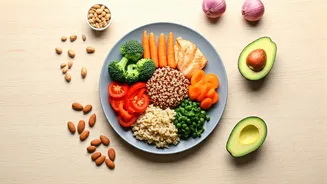
Beware of market-available weight gain supplements that often promise rapid results but can be laden with synthetic nutrients that might harm your health long-term. Prioritize a balanced diet rich in proteins, healthy fats, and complex carbohydrates. Incorporate nutrient-dense foods like nuts, dairy products, and whole grains. Limiting alcohol consumption is also advisable. Consulting a nutritionist or physician before taking any supplements is crucial, as they are only effective when integrated into a well-planned dietary regimen. This ensures your body receives the building blocks for healthy tissue development and sustained energy.
Healthy Fats & Snacks
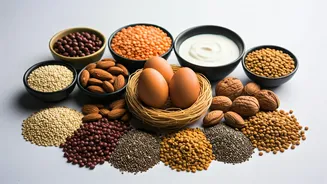
When aiming to gain weight, it's a common pitfall to consume foods that are high in unhealthy fats, leading to potential health issues. Instead, focus on incorporating healthy fats into your diet. This includes sources like egg yolks, lean meats, and coconut oil. Additionally, include nutrient-rich snacks such as nuts, dry fruits, and whole fruits. Options like multigrain bread, soy sticks, hummus, and peanut butter are excellent protein sources. Prioritizing fiber-rich foods also aids in digestion and nutrient absorption. Gradually increasing your appetite by consuming smaller, more frequent, nutrient-dense meals is more effective than large, infrequent ones.
Strategic Eating Habits
The misconception that eating large quantities of food, including junk food, leads to healthy weight gain is detrimental. Instead, it's more effective to divide your meals into smaller, more frequent portions. This approach helps manage appetite and prevents overconsumption of unhealthy calories. Opting for calorie-dense, nutrient-rich foods over those packed with empty calories is a smarter strategy. Thin individuals who consume unhealthy foods are just as susceptible to lifestyle diseases as overweight individuals. Therefore, focusing on quality and density of nutrients is paramount for achieving a toned and healthy physique.
Mindful Indulgence
When seeking to gain weight, it's easy to fall into the trap of overindulging in sugary foods, thinking it will accelerate the process. However, excessive sugar intake can lead to an increase in visceral fat—fat stored around the organs—and can also hinder nutrient absorption from other foods. This can result in undesirable fat accumulation in specific areas, which is a primary concern for individuals trying to gain weight healthily. The goal is to achieve an even distribution of healthy weight gain, not localized fat deposits. Therefore, choose your indulgences wisely, prioritizing nutrient-rich options.
Protein and Veggies
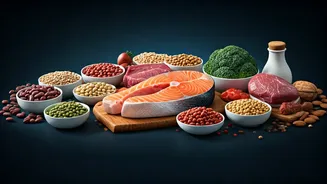
Incorporating a variety of vegetables and lean meats into your diet is crucial for healthy weight gain. These food groups are excellent sources of essential proteins, minerals, and fiber, all of which are vital for bodily functions and muscle development. Furthermore, they contribute to satiety, helping to curb cravings for unhealthy snacks. Adequate protein intake is fundamental for hormone synthesis, which plays a significant role in metabolic processes and overall health. By ensuring a sufficient supply of these nutrients, you support your body's ability to build lean mass and maintain a healthy weight.
Embrace Healthy Fats
Including healthy fats in your diet is a direct way to increase calorie intake in a beneficial manner. Excellent sources include egg yolks, animal fats found in lean meats, and oils like coconut oil. Incorporating fruits such as bananas and sapodilla can also contribute to healthy fat intake. While these foods are beneficial, moderation is key to ensure a balanced approach to weight gain. These fats provide essential fatty acids and contribute to hormone production, supporting overall health and well-being alongside muscle growth.
Boost Protein Intake
A daily protein intake of approximately 1 gram per kilogram of body weight is generally recommended for everyone, regardless of their current weight status. This adequate protein consumption not only helps manage hunger, reducing the likelihood of unhealthy snacking, but also plays a critical role in building and maintaining lean body mass. Proteins are the fundamental building blocks of the body, essential for tissue repair, hormone production, and overall cellular function. Including sources like tofu, paneer, chicken, and leafy greens such as spinach can help meet your daily protein requirements effectively.
Weight-Promoting Foods
Certain natural foods are particularly effective in promoting healthy weight gain. Prioritize those rich in beneficial fats. This includes fatty fish like tuna and salmon, which provide omega-3 fatty acids, as well as whole wheat breads and traditional Indian flatbreads. Natural fruit juices can also offer a concentrated source of calories and nutrients. These foods provide the necessary energy and building blocks for your body to gain weight in a sustainable and healthful manner, supporting overall vitality and physical development.
Calorie-Dense Choices
It's important to differentiate between 'empty' calories, often found in processed foods and sugary drinks, and 'healthy' calories derived from natural sources. For weight gain, focus on the latter. Foods like cheeses, healthy oils, bananas, and homemade nut butters (peanut and almond) are excellent sources of healthy calories. These provide sustained energy and essential nutrients, contributing to overall health while supporting your weight gain objectives. Prioritizing these calorie-dense yet nutritious options ensures your body is well-nourished during the process.
Daily Nutrition Basics
Sticking to fundamental dietary principles is key for consistent weight gain. Avoid filling your plate with empty calorie items like chocolate bars or canned juices solely for the purpose of rapid weight gain. Instead, incorporate healthy, calorie-rich foods like yogurt, which promotes gradual and permanent weight gain. Consuming three to four servings of fruits and vegetables daily not only helps curb unhealthy cravings but also ensures your body receives essential vitamins and minerals. This balanced approach supports overall health and sustainable weight management.
Supplements with Caution
While dietary supplements like protein powders, meal replacement bars, and multivitamins can be beneficial for weight gain, their consumption should always be guided by a healthcare professional or nutritionist. Overuse or improper use of these supplements can lead to adverse effects such as vomiting and diarrhea. Although they have their place in modern nutrition, seeking expert advice on specific products and dosages is paramount to ensure they complement your diet effectively and safely, rather than causing harm.
Optimizing Food Habits
A diet consisting of just one healthy meal interspersed with three unhealthy ones will significantly slow down your progress and may even pose health risks. Key habits to cultivate include thoroughly chewing your food to enhance digestion, limiting excessive intake of caffeinated beverages and alcohol as they can interfere with nutrient absorption, and consistently tracking your weight to monitor progress. Additionally, making conscious choices in cooking methods and ingredients that benefit your health is vital for achieving sustainable and healthy weight gain.
Avoiding Unhealthy Patterns
Dispelling misconceptions about being 'healthy' is crucial for individuals aiming to gain weight. Being healthy is not synonymous with being fat, nor is being thin necessarily unhealthy. It's important to eradicate certain detrimental habits that hinder weight gain and overall well-being. These include skipping breakfast, eating meals at irregular times, resorting to crash diets, consuming excessive junk food, succumbing to peer pressure to finish food, and experiencing a lack of sufficient sleep. Addressing these habits is fundamental to establishing a healthy lifestyle.
Achieving Toned Physique
Ultimately, the goal of weight gain should be to achieve a toned and well-proportioned physique, rather than simply increasing the number on the scale. If weight gain is primarily accumulating in the abdominal area, it indicates an imbalance. The process of healthy weight gain can be slow, especially for individuals with faster metabolisms or slower food absorption rates. Patience and consistency are essential. Tracking your progress through before-and-after photos can provide motivation and a clear visual representation of your journey towards a healthier, more muscular body.