







Bhutan's Fiery Cheese
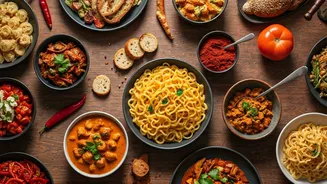
Bhutan’s culinary identity is powerfully represented by Ema Datshi, a dish that’s both a staple and a source of comfort. This hearty preparation consists
of a generous serving of melted cheese infused with a significant amount of chilies, creating a rich and intensely spicy experience. It's not just a meal; it's a daily delight for many Bhutanese, transforming simple ingredients into a profoundly satisfying and fiery cornerstone of their diet. The combination of creamy cheese and potent chili heat offers a unique sensory journey, making it a truly memorable national dish.
Iceland's Fermented Shark
Hákarl from Iceland presents a distinct challenge to the adventurous eater. This dish involves curing shark meat through a fermentation process that results in a potent ammonia aroma and a taste that is often described as an acquired preference. The traditional method imbues the shark with a unique character, making it a legendary component of Icelandic cuisine. While its strong smell might deter some, Hákarl is a deeply rooted part of the country's heritage, showcasing a remarkable adaptation to local resources and culinary traditions that have endured for generations.
Japan's Sticky Natto
In Japan, Natto stands out with its distinctive sticky, stringy texture and a robust, somewhat pungent aroma. Despite these unusual characteristics, it is a highly cherished breakfast food, celebrated for its significant nutritional value. The fermentation process responsible for Natto's unique qualities also contributes to its rich profile of vitamins and protein. This beloved dish offers a fascinating glimpse into how textures and aromas can be embraced as part of a healthy and traditional meal, proving that what might seem odd to some is a delicacy to others.
Peru's Guinea Pig Delight
Cuy, or guinea pig, holds a special place as a traditional delicacy within Peru, particularly in the Andean regions. Typically prepared by roasting it whole, the dish offers a delightful crispy exterior while the meat itself is tender and flavorful. Its preparation and consumption are deeply intertwined with the cultural fabric of the Andes, representing a long-standing culinary practice passed down through centuries. This unique offering showcases a significant aspect of Peruvian heritage, highlighting ingredients and traditions that are central to its identity.
Philippines' Balut
Balut, a popular street food in the Philippines, is a fertilized duck egg containing a partially developed embryo. This protein-rich snack is renowned for its intense flavor and texture, making it a test for the uninitiated. Consuming Balut involves a specific ritual, often accompanied by salt or vinegar to enhance its taste. It’s a testament to the country’s love for bold flavors and a prime example of how local ingredients are transformed into beloved, albeit challenging, culinary experiences for those brave enough to try.
Sweden's Pungent Fish
Surströmming from Sweden is famously recognized as one of the world's most aromatic foods, consisting of fermented herring. Due to its incredibly intense smell, this dish is traditionally enjoyed outdoors, often during specific festivals and gatherings. The fermentation process imparts a sharp, distinctive flavor that is a hallmark of this unique Swedish specialty. Eating Surströmming is an event in itself, often accompanied by flatbread, potatoes, and onions, creating a communal experience centered around this pungent delicacy.