




Connecting Sacred Destinations
The Delhi-Amritsar-Katra Expressway stands as a monumental infrastructure endeavor aimed at drastically improving connectivity to some of India's most
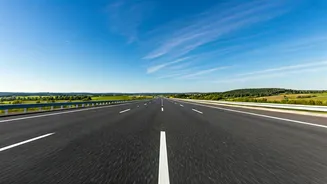
revered spiritual locations. This ambitious project is designed to bridge the gap between the national capital, Delhi, and two highly significant pilgrimage centers: the Golden Temple in Amritsar and the sacred shrine of Mata Vaishno Devi in Katra. Currently, a journey from Delhi to Katra can take up to 14 arduous hours, traversing a distance of approximately 727 km. However, upon the expressway's completion, this travel time is projected to be slashed to a mere six hours, covering a reduced distance of about 588 km. This significant reduction in travel duration is expected to usher in a new era for religious tourism, making these vital destinations more accessible to millions of devotees and visitors annually. The corridor is envisioned not just as a transit route but as a catalyst for increased tourism and economic activity across the regions it connects, including Haryana, Punjab, and Jammu & Kashmir.
Strategic & Security Gains
Beyond its immense benefits for civilian travel and tourism, the Delhi-Katra Expressway holds profound strategic significance for India's national security apparatus. The improved accessibility and reduced transit times facilitated by this high-speed corridor will enable the swifter and more efficient deployment of troops and military equipment to sensitive border areas. This enhanced logistical capability is crucial for maintaining national defense readiness and responding effectively to security challenges in the northern regions. By ensuring rapid troop mobilization and logistical support, the expressway contributes to strengthening India's border security infrastructure. Furthermore, the enhanced connectivity is expected to foster economic development and integration in border states, potentially leading to greater stability and prosperity in these strategically important territories. The project's emphasis on advanced engineering, including the construction of elevated corridors using modern techniques, highlights its commitment to robust and resilient infrastructure development that serves both civilian needs and national security imperatives.
Construction Progress & Challenges
The construction of the Delhi-Katra Expressway has encountered its share of obstacles, including delays attributed to adverse weather conditions and security concerns. Last year, work was significantly hampered by heavy rains and flooding, which led to the washing away of two bridges and disrupted crucial supply lines. Additionally, tense security situations in the region prompted many workers to leave due to safety apprehensions, necessitating considerable effort to persuade them to return and resume work. Despite these challenges, the project has now regained momentum, with authorities prioritizing critical stretches. Notably, the Jammu-Kathua stretch, spanning approximately 30 km, has been identified as a priority, particularly with the approaching Amarnath Yatra, aiming to ease pilgrim traffic. Advanced engineering solutions are being employed, such as segmental bridge construction for elevated corridors in the Jammu-Samba section, mirroring techniques used in major metro projects across the country to ensure high-speed, uninterrupted travel and minimize disruption to existing traffic.
Economic & Real Estate Impact
The development of the Delhi-Amritsar-Katra Expressway is poised to exert a substantial positive influence on the real estate market and overall economic landscape of the regions it traverses. Property values in Jammu and Kashmir, Punjab, and Delhi are anticipated to see a considerable uplift, particularly in areas surrounding the expressway's interchanges and in key cities like Ludhiana, Jalandhar, and Mohali. This surge in real estate value is a direct consequence of enhanced accessibility and reduced travel times, making these locations more attractive for residential and commercial development. Furthermore, the expressway is expected to act as a powerful catalyst for the establishment of new industrial parks, warehousing facilities, and logistics hubs. Cities such as Chandigarh, Meerut, and Lucknow are strategically positioned to benefit from this surge in commercial activity, attracting investments and creating employment opportunities. The improved connectivity will streamline supply chains and facilitate the movement of goods, thereby boosting industrial growth and regional economic integration.