





The Silent Decline
As we navigate life beyond our third decade, our bodies undergo subtle yet significant transformations. A primary change involves the gradual erosion of
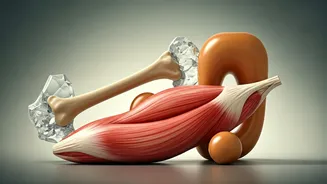
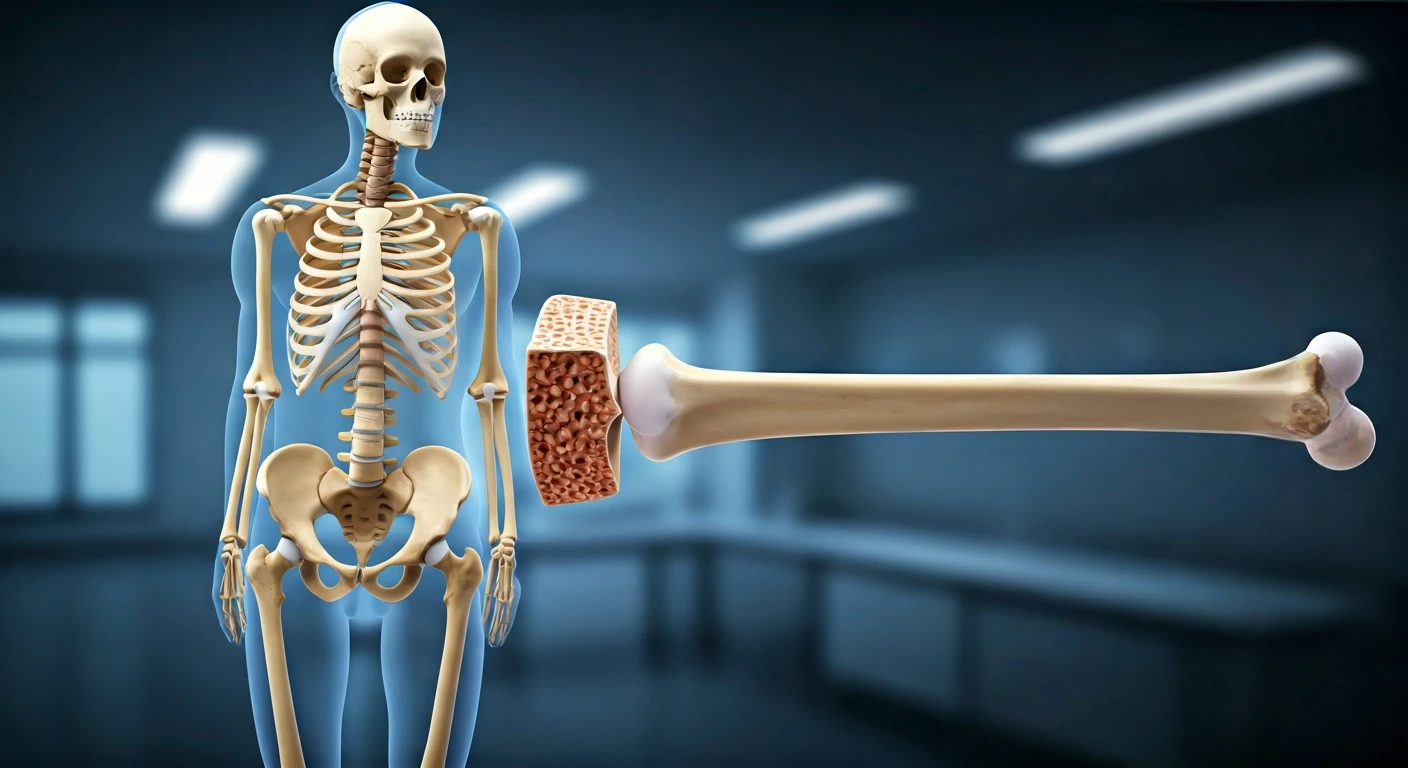
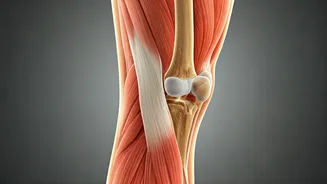
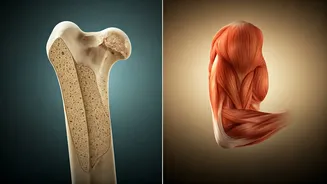
muscle mass and a reduction in bone density, processes that often go unnoticed until later stages. These shifts can unfortunately pave the way for health issues such as sarcopenia, the progressive loss of muscle strength and function, and osteoporosis, a condition that weakens bones, making them brittle and prone to fractures. Sarcopenia typically manifests as a slow decrease in muscle size and power, increasing the risk of falls and diminishing overall quality of life. Osteoporosis, often termed a 'silent disease,' frequently presents no symptoms until a bone breaks, disproportionately affecting women post-menopause but also impacting men. The interplay of genetics, lifestyle habits, hormonal shifts, and even nutritional deficiencies contributes to the onset of these conditions, underscoring the importance of understanding and addressing them proactively.
Building Muscle & Bone
To effectively counter the natural decline in muscle mass and bone density that begins around age 30, a deliberate and multifaceted approach is essential. Engaging in regular strength training, also known as resistance training, is paramount. This form of exercise directly stimulates muscle fibers, promoting growth and maintenance, while simultaneously challenging bones to become denser and stronger. Aiming for two to three comprehensive strength sessions weekly, targeting all major muscle groups through methods like weightlifting, using resistance bands, or performing bodyweight exercises, is highly recommended. Complementing this with an adequate intake of dietary protein is crucial, as protein serves as the fundamental building block for muscle repair and development. Excellent protein sources include lean meats, poultry, fish, eggs, dairy, legumes, and plant-based options like tofu. Simultaneously, ensuring sufficient consumption of calcium and vitamin D is vital for bone health; calcium forms the structural basis of bones, and vitamin D facilitates its absorption. Rich dietary sources of calcium include dairy, leafy greens, and fortified foods, while modest sun exposure offers a natural vitamin D boost, though supplementation might be necessary.
Holistic Health Strategies
Beyond targeted strength exercises and proper nutrition, a comprehensive strategy for maintaining muscle and bone health after 30 involves several other lifestyle pillars. Incorporating regular aerobic exercises, such as brisk walking, running, swimming, or cycling, contributes significantly to overall cardiovascular health and helps manage weight, which indirectly supports bone density. A diet that is rich in a variety of fruits, vegetables, whole grains, and healthy fats provides the body with a spectrum of essential vitamins and minerals critical for both muscle and bone well-being. It is equally important to limit the consumption of processed foods, excessive sugars, and unhealthy fats, which can undermine nutritional goals. Furthermore, abstaining from smoking and moderating alcohol intake are crucial, as both habits can detrimental impact bone density and muscle vitality over time. Staying adequately hydrated is also fundamental for all bodily functions, including those that support muscle and bone health. Finally, regular medical check-ups, especially if there's a family history of sarcopenia or osteoporosis, are advisable for early detection and personalized management plans.