







The Moon's Celestial Dance
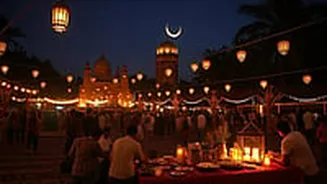
As the middle of February 2026 draws near, millions across India eagerly anticipate the sighting of the new crescent moon, the pivotal moment that officially
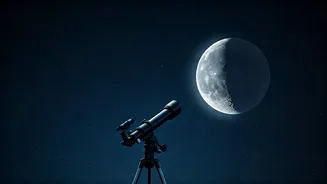
ushers in Ramadan, a month of spiritual introspection and daily fasting from dawn till dusk. While scientific calculations offer a precise window for the moon's appearance, the commencement of this significant period in India is often influenced by established traditions. This creates a period of eager anticipation as observers await formal declarations from specialized moon-sighting committees, which will ultimately confirm whether the first day of fasting will fall on February 17, 18, or 19. The process highlights the unique blend of astronomical observation and cultural practices that guide the observance of Ramadan in the region, ensuring a collective and synchronized start to this sacred month.
Science Meets Tradition
Astronomical predictions, as reported by sources like Al Jazeera, indicate that the new moon is expected to be born on Tuesday, February 17, 2026. However, the commencement of a lunar month in religious tradition typically requires not just the moon's existence but also its visible presence to the naked eye following sunset. International Astronomical Centre calculations suggest that on the evening of February 17th, the moon will be challenging, if not impossible, to see across vast regions of the globe. Due to the moon setting very soon after the sun on this particular day, many nations, including Saudi Arabia and the United Arab Emirates, are projected to complete the full 30 days of the preceding lunar month. Consequently, Thursday, February 19, 2026, emerges as the most probable date for the commencement of fasting in these regions.
India's Anticipated Timeline
In India, the observance of Ramadan typically commences a day after the official announcements are made in Gulf countries. According to reports from Livemint, local Ruet-e-Hilal (Moon Sighting) Committees in prominent Indian cities such as Delhi, Mumbai, and Hyderabad are scheduled to convene on the evening of Wednesday, February 18. Their crucial task will be to scan the horizon for the elusive crescent. If the moon is sighted on this Wednesday evening, then Thursday, February 19, will be marked as the first day of fasting (Roza). Conversely, if the sighting does not occur on Wednesday, the fasting is likely to begin the following day, Friday, February 20. Current indications from the subcontinent suggest a high probability of the moon being clearly visible on the evening of February 18, making Thursday, February 19, the most favored date for Ramadan's start in India. For those preparing, preliminary estimates for North Indian cities place the Sehri time around 5:36 AM and Iftar time near 6:15 PM.
Geographic Influence on Start
India frequently begins its Ramadan observance a day later than countries in the Gulf region due to the geographical progression of moon visibility from west to east. When the crescent is sighted in Saudi Arabia on a Tuesday, India typically experiences the same sighting on Wednesday evening, leading to a Thursday start for fasting. For individuals in India, this translates to the first Taraweeh prayers likely taking place on the night of Wednesday, February 18, and the first official day of fasting commencing on Thursday, February 19. This temporal difference is a well-understood phenomenon driven by global geography and the mechanics of celestial observation, ensuring that the start of this significant religious period is aligned with local sighting realities.