





Understanding Leg Pain
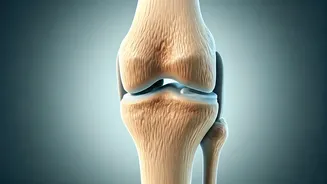
As we age, changes in our joints are natural, leading to common leg pain that can make daily tasks like walking or climbing stairs feel challenging. This
discomfort isn't always just due to getting older; various underlying health issues can contribute, including osteoarthritis, muscle loss (sarcopenia), circulation problems like venous insufficiency, and conditions affecting blood flow such as Peripheral Artery Disease (PAD). When mobility starts to decline, it can significantly impact one's sense of independence. Fortunately, a well-chosen set of low-impact physical activities can help older adults maintain their ability to move freely, stay mobile, and retain their independence, ensuring a better quality of life.
Gentle Movement Options
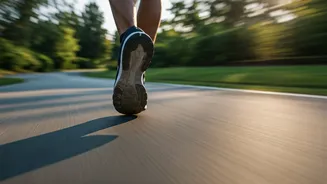
To combat leg pain and enhance overall well-being, doctors recommend embracing low-impact aerobic exercises that offer numerous benefits, such as improving blood circulation, increasing bodily flexibility, and boosting general physical performance. Walking is highlighted as the safest and most accessible option, helping to maintain cardiovascular health and mental clarity with its straightforward execution and minimal risk. For those seeking alternatives or complementary activities, water-based exercises like swimming and water aerobics are excellent choices. The buoyancy of water significantly reduces stress on joints, allowing for comprehensive muscle conditioning with a lower risk of injury or overexertion. Additionally, chair yoga is advised for its ability to improve flexibility, reduce muscle tightness, and promote joint health. Even simple daily activities like gardening can provide a valuable mix of physical and mental stimulation.
Building Strength Safely
Strength training is crucial, even for older adults, as it plays a vital role in preserving muscle mass, maintaining bone density, and ensuring joint stability, which collectively reduces the risk of falls. Incorporating two to three sessions of progressive resistance exercises weekly is recommended. Exercises like sit-to-stand movements (essentially chair squats), calf raises, seated leg extensions, and side leg raises are effective. These movements not only build strength but also significantly improve balance and coordination. It's advisable to perform these exercises gradually, increasing intensity as you get comfortable, and always to listen to your body to avoid any pain. Consulting a healthcare professional or physical therapist before starting a new strength training regimen ensures exercises are performed correctly and safely.
Recognizing Warning Signs
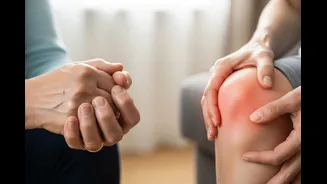
It is essential for older adults to be aware of potential warning signs that indicate a more serious underlying condition and to seek prompt medical attention if these symptoms arise. Persistent leg pain, accompanied by swelling, noticeable changes in skin colour, or feelings of numbness, should not be ignored. These symptoms could be indicators of serious circulatory issues like Peripheral Artery Disease (PAD) or deep vein thrombosis, conditions that require professional diagnosis and treatment. Regular check-ups and open communication with healthcare providers are key to managing leg pain effectively and ensuring overall health and independence. Remember, this information is for guidance and not a substitute for professional medical advice.