





UK Goes Digital
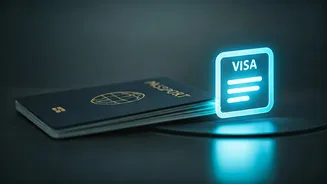
The United Kingdom has fully transitioned to a digital immigration system, phasing out physical visa stickers from passports. As of February 25, 2026,
most successful visa applicants will receive an electronic visa (eVisa) linked directly to their passport via the UK Visas and Immigration (UKVI) platform, rather than a vignette. This innovative approach means your visa status can be instantly verified by airlines and border officials in real-time. While you'll still need to attend appointments for biometric data collection, your passport will typically be returned immediately afterward. This significant shift is designed to enhance security measures, combat fraudulent activities, and expedite border control processes, offering a more streamlined experience for international travelers.
Japan's Appointment Rule
For those dreaming of visiting Japan, a new procedural requirement has been implemented from March 2026. Indian nationals planning to apply for a Japanese visa now must secure an appointment beforehand at designated visa application centers. This mandatory appointment system is being introduced in at least five Indian cities, including Chennai, Hyderabad, Kochi, Puducherry, and Bengaluru. Walk-in applications will no longer be accommodated. The aim of this change is to better manage the increasing volume of applications and ensure a more organized and efficient processing at VFS Global centers. It's strongly advised that travelers meticulously plan their visa application well in advance, ensuring all necessary documentation, such as confirmed travel itineraries, proof of accommodation, and evidence of financial stability, are readily available for their scheduled appointment.
France's Student Streamlining
France is actively working to make its student visa application process significantly easier for Indian applicants. This initiative is part of a broader strategy to draw more international scholars to French educational institutions, with an ambitious target of issuing 30,000 visas annually to Indian students by 2030. Reforms are being introduced to simplify the existing procedures and enhance visa processing times for students aspiring to study in French universities. This effort aligns with France's national objective to substantially increase the influx of Indian students over the coming years, particularly in high-demand fields like business administration, technological studies, and hospitality management, fostering greater academic exchange and collaboration.
Sri Lanka's Nomad Visa
Sri Lanka has launched a specialized visa category designed for individuals who work remotely, offering them the opportunity to reside and work from the picturesque island nation for an extended duration. This new 'digital nomad visa' is specifically tailored to attract a growing demographic of freelancers, entrepreneurs, and professionals who can perform their jobs online, allowing them to immerse themselves in new cultures and explore different destinations while maintaining their professional commitments. The introduction of this visa is expected to boost the country's tourism sector and economy by attracting a different segment of global talent and visitors.
Armenia Welcomes Indians
In a significant move to enhance tourism and diplomatic ties, Armenia has extended its visa-free entry policy to include passport holders from India. This development means that Indian travelers can now visit Armenia without the necessity of obtaining a visa in advance, greatly simplifying travel arrangements and allowing for more spontaneous trip planning. This policy adjustment is a key component of Armenia's broader strategy to stimulate travel from India, recognizing it as a rapidly expanding and important outbound tourism market. The ease of access is anticipated to foster greater cultural exchange and economic cooperation between the two nations.