
Energy Transition Imperative
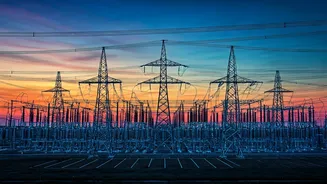
The Economic Survey underscores the critical need for India's energy transition to harmonize with economic growth, national security, and the reliability
of the power grid. As the nation aims for sustainable development, it is crucial to ensure that the shift to cleaner energy sources doesn't compromise the country's economic expansion or energy independence. This involves a strategic approach that considers the realities of the existing grid infrastructure. India must balance its commitment to renewable energy with the continuous availability of power to support its industries and daily life. The survey emphasizes that a successful energy transition requires a careful orchestration of policies, technological advancements, and investments. This will ensure that India achieves its climate goals while maintaining a resilient and secure energy supply for its citizens and businesses.
Urban Land Utilization
The Economic Survey delves into the challenges related to urban land, particularly the issue of 'dead capital' in cities. This refers to land that is underutilized due to factors like low Floor Space Index (FSI) and unclear land titles. The survey highlights that inefficient land use hampers economic growth and urban development. Low FSI limits the potential for building denser, more productive urban areas, while unclear titles create uncertainty and discourage investment. Addressing these issues is essential for unlocking the economic potential of urban land. The government needs to implement policies that clarify land ownership, simplify regulations related to land use, and encourage higher FSI in appropriate areas. This will facilitate the creation of more housing, commercial spaces, and infrastructure, ultimately boosting economic activity and improving the quality of life for urban residents.
Coking Coal and Imports
In an effort to lessen its reliance on imports, the Economic Survey highlights the significance of coking coal, designating it a critical mineral. Coking coal is a vital raw material for the steel industry, and reducing dependence on its import is a strategic imperative. The survey underlines the importance of promoting domestic production and exploring alternative sources of coking coal. This involves investments in mining technologies, infrastructure development, and encouraging private sector participation. By reducing its reliance on imports, India can bolster its energy security, shield its economy from fluctuations in global prices, and promote self-sufficiency. This move is aligned with the broader goals of Atmanirbhar Bharat (Self-Reliant India), aimed at bolstering domestic industries and reducing reliance on foreign goods and services. The shift also requires strategic planning and implementation.