







The Collision
On February 3rd, a routine day at Mumbai's bustling Chhatrapati Shivaji Maharaj International Airport took an unexpected turn. An Air India flight, designated
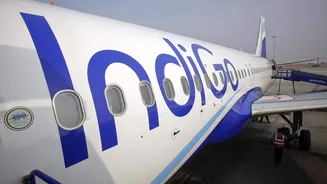
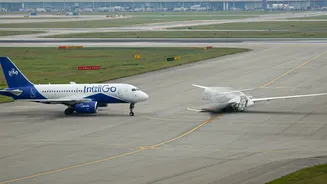
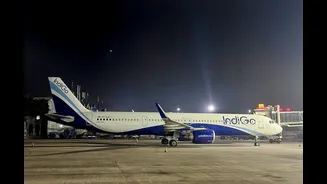
AI2732 and bound for Coimbatore, was stationary on the taxiway, awaiting its departure clearance. At the same time, an IndiGo aircraft, flight 6E 791, which had just completed its journey from Hyderabad, was maneuvering on the taxiway after landing. During this intricate dance of airborne giants on the ground, the wingtip of the IndiGo plane made an unintended contact with the wingtip of the stationary Air India aircraft. This minor yet significant impact immediately halted operations for both planes, highlighting the complexities and pressures of ground traffic management at one of India's busiest air hubs. The incident, though resulting in no injuries, necessitated thorough safety checks and initiated an official inquiry.
Immediate Aftermath
Following the wingtip contact, both aircraft were promptly returned to their designated bays for comprehensive technical evaluations. The safety of passengers was paramount, and all individuals on board both flights were safely deplaned. Air India swiftly took steps to minimize inconvenience to its passengers, arranging alternative flights to Coimbatore to ensure their onward journeys were facilitated as quickly as possible. Similarly, passengers on the IndiGo flight disembarked safely at the gate. Both airlines proactively reported the incident to the Directorate General of Civil Aviation (DGCA), a mandatory procedure that underscores their commitment to aviation safety protocols. While the physical damage was minor, the incident triggered a procedural response, with regulatory bodies arriving on the scene to conduct their assessments and launch an investigation into the circumstances that led to the rare taxiway collision.
Regulatory Scrutiny
The Directorate General of Civil Aviation (DGCA) was immediately notified by both Air India and IndiGo, adhering strictly to established safety protocols. The incident was formally logged and an investigation was launched by the aviation regulatory authority to understand the sequence of events that led to the wingtip collision. DGCA officials were present at the Mumbai Airport incident spot to oversee the preliminary assessments of the involved aircraft. The DGCA later confirmed the ground incident via a post, stating that both aircraft had been returned to their bays for inspection. This careful examination is crucial to determine the root cause, whether it pertains to air traffic control guidance, pilot judgment, or other ground handling factors. The findings from this inquiry will be vital in reinforcing safety measures and preventing similar occurrences in the future, especially as air travel continues its upward trajectory.