



A Frozen Spectacle
Perched at an altitude exceeding 5000 meters above sea level, amidst the majestic peaks of Trishul and Nanda Ghunti, lies Roopkund Lake. For most of the year,
this small, glacial water body remains a frozen expanse, concealing its extraordinary and somewhat unsettling secret beneath a layer of ice. It's only during specific, brief periods that the thawing waters reveal the hundreds of human skeletons scattered across its vicinity. This stark display of skeletal remains has earned Roopkund its reputation as one of India's most intriguing and mysterious trekking destinations. The visual impact of discovering these ancient relics in such a remote and stunning natural setting creates a profound sense of awe and curiosity, prompting questions about the events that led to this macabre scene.
Unraveling the Mystery
The first encounter with the skeletal remains at Roopkund dates back to 1942, when forest ranger Hari Kishan Madhwal stumbled upon them. Initially, the discovery suggested a more recent tragedy, but subsequent archaeological and scientific investigations unveiled a far more ancient tale. Radiocarbon dating and DNA analysis have revealed that these skeletons are not from a single event or time period. Instead, they represent individuals from vastly different eras, some dating back nearly a thousand years, and hailing from diverse geographical origins, with genetic links suggesting populations from as far afield as Southeast Asia and the Mediterranean. This complexity deepens the enigma, ruling out simple explanations and pointing towards a more intricate history of human passage and peril in this remote Himalayan region. The sheer variety in the remains challenges conventional understanding of the lake's history.
Scientific Theories Emerge
The peculiar fractures observed on many of the skulls at Roopkund have led scientists to propose a compelling theory involving a catastrophic hailstorm. The nature of the injuries suggests impacts from large, round objects, consistent with massive hailstones. Researchers hypothesize that an entire group of people, possibly pilgrims or travelers, were caught in the open by an exceptionally severe hailstorm. Lacking shelter in the exposed terrain, they may have succumbed to the brutal force of the storm. This theory is supported by the relatively well-preserved state of some remains, indicative of rapid burial or freezing conditions. Modern research using DNA analysis further adds to the puzzle, indicating that the individuals belonged to different ethnic groups and lived centuries apart, suggesting that the lake might have been a site of multiple tragedies over a long period.
Folklore and Legends
Beyond scientific inquiry, Roopkund Lake is steeped in local folklore, weaving a narrative that blends myth with the eerie scientific findings. According to popular legend, a group led by King Raja Jasdhaval, accompanied by his pregnant queen, was on a pilgrimage or journey near the lake. It is said that they incurred the wrath of the goddess Nanda Devi, perhaps through some transgression or disrespect. In response, the goddess allegedly unleashed a devastating storm, a fury of nature that wiped out the entire party. This ancient tale, passed down through generations, resonates with the physical evidence of the skull injuries, making the mythological account feel eerily plausible. The legend offers a spiritual and dramatic explanation for the presence of so many human remains in such a remote and sacred landscape.
The Adventurous Trek
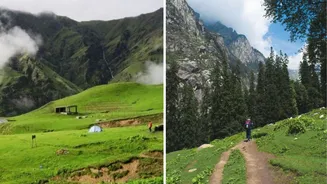
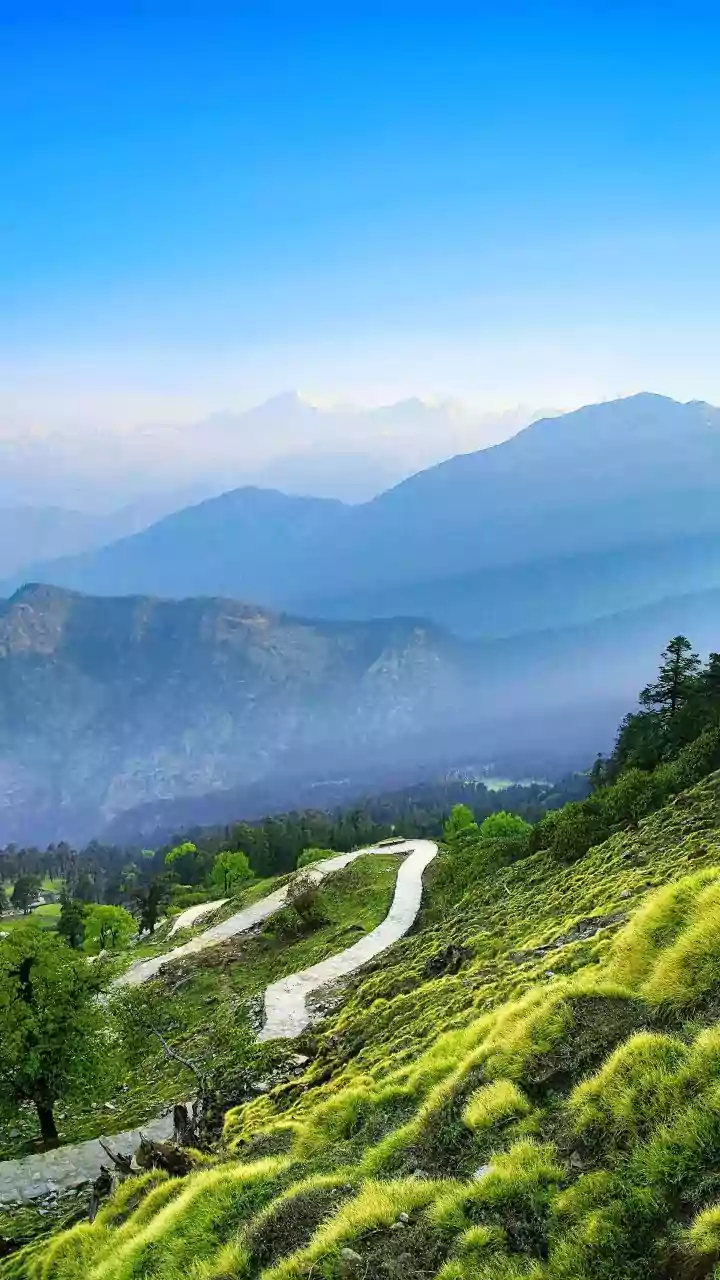
For the intrepid traveler, Roopkund offers more than just a morbid curiosity; it presents a challenging and incredibly rewarding trekking experience. The journey typically spans 6 to 8 days, attracting adventure seekers with its promise of rugged beauty and unparalleled vistas. The trek winds through vibrant alpine meadows, past picturesque campsites, and offers breathtaking panoramic views of the surrounding Himalayan peaks. It's a path that tests endurance while immersing trekkers in the raw, untamed splendor of the mountains. The allure of Roopkund lies not only in its historical and scientific mysteries but also in the journey itself, a challenging expedition that leaves participants with a profound sense of accomplishment and a lingering sense of wonder about the secrets hidden within the landscape.