

The Soul of Langarwali Dal
Langarwali Dal transcends being merely a meal; it embodies a profound sense of comfort and tradition, meticulously prepared with patience and a generous
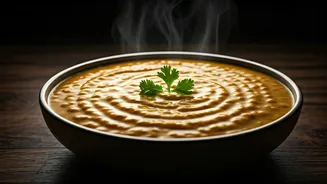
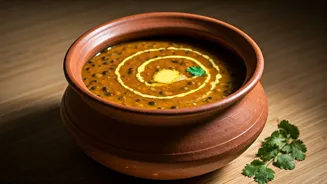
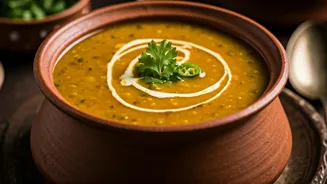
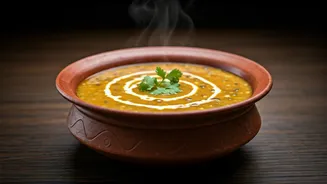
measure of affection. At its heart, this dish is a harmonious blend of whole black gram (sabut urad) and Bengal gram (chana), slow-cooked to achieve a lusciously creamy consistency without the need for heavy creams or complex additions. Chef Sanjeev Kapoor highlights that its essence lies in simplicity and unwavering patience, making it an ideal accompaniment to both roti and rice. It serves as a gentle, culinary reminder that the most uncomplicated dishes, when crafted with genuine devotion, offer the deepest sense of fulfillment and satisfaction.
Ingredient Preparation & Soaking
The journey to a perfect Langarwali Dal begins with meticulous preparation of the key ingredients. First, ensure you thoroughly wash the whole black gram and Bengal gram separately, rinsing them at least two to three times. Following this, the legumes need to be soaked in ample water for a significant duration, typically between six to eight hours. This soaking period is crucial for softening the dals, allowing them to cook evenly and achieve the desired tender texture. Once soaked, rinse the grams once more before proceeding to the next stage of cooking.
Pressure Cooking the Dals
With the grams properly soaked and rinsed, the next step involves pressure cooking them to achieve initial tenderness. Combine the soaked whole black gram and Bengal gram in a pressure cooker. Add sufficient water to cover the lentils generously. To enhance the base flavor and color, incorporate half a teaspoon of turmeric powder, one teaspoon of red chilli powder, and salt to your personal preference. Seal the pressure cooker and cook for about four to six whistles. This process ensures the dals are cooked through and beginning to soften, setting the stage for the rich flavor development to come.
Aromatic Tempering Base
While the dals are undergoing their pressure cook, prepare the aromatic foundation for the dal. Finely slice two medium-sized onions. In a mortar and pestle, coarsely crush three to four green chilies, six to eight garlic cloves, and a one-inch piece of fresh ginger. This pounded paste will infuse the dal with a robust and authentic flavor profile. The combination of these aromatics, when sautéed, forms the soul of the dal's taste, providing a delightful pungency and depth that is characteristic of traditional Indian cooking.
Sautéing for Flavor Depth
In a deep, heavy-bottomed pan, melt two tablespoons of ghee over medium heat. Once the ghee is warm, add one and a half teaspoons of cumin seeds. Let them splutter and change color, releasing their fragrant oils. Next, introduce the sliced onions to the pan. Sauté them patiently until they turn a beautiful, golden brown hue. Following the onions, add the crushed paste of ginger, garlic, and green chilies. Stir well and sauté for approximately one minute, or until the raw aroma of the spices dissipates. Then, incorporate two finely chopped medium tomatoes, mixing them into the sautéed aromatics.
Spice Infusion and Cooking
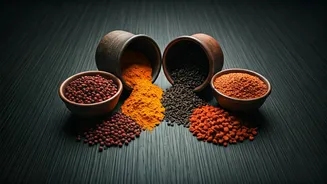
Now, it's time to introduce the remaining spices that will build the complex flavor of the Langarwali Dal. Add the remaining three-quarters of a teaspoon of turmeric powder, one and a half teaspoons of red chilli powder, one and a half teaspoons of coriander powder, and one and a half teaspoons of garam masala powder. Mix all these spices thoroughly with the onion-tomato mixture. Sauté this spice blend gently on low heat for about two to three minutes, allowing the flavors to meld and deepen. Subsequently, pour in some water, stir to combine, and let it cook for another one to two minutes, creating a well-cooked masala base.
Combining and Simmering
Introduce the pressure-cooked dals into the prepared masala base in the pan. Stir everything together thoroughly. Check and adjust the salt to ensure it is perfectly seasoned. Use a wooden churner or the back of a spoon to gently mash some of the grams against the side of the pan. This action helps to thicken the dal and achieve that characteristic creamy consistency. Allow the dal to simmer gently for about five minutes, giving it time to absorb all the flavors and achieve its final rich texture. Finally, garnish with two tablespoons of freshly chopped coriander leaves, stir them in, and then remove the pan from the heat.
Serving Perfection
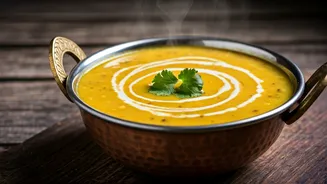
The Langarwali Dal is now ready to be savored. Serve this hearty and comforting dish piping hot. To elevate the experience and add that authentic touch, drizzle a generous dollop of ghee right on top of each serving just before it is presented. This simple finishing touch not only enhances the aroma but also adds a luxurious richness that is synonymous with traditional Langarwali Dal. It pairs exceptionally well with freshly made rotis, parathas, or steamed rice, making for a complete and deeply satisfying meal that warms the soul.