








Artemis II Launch Overview
The Artemis II mission represents a significant stride in NASA's ambitious endeavor to reintroduce humans to the lunar surface. This mission marks the commencement
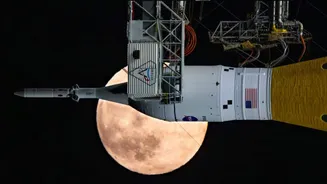
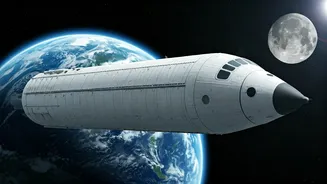
of crewed lunar missions, setting the stage for subsequent expeditions. Scheduled to launch on February 6th, Artemis II will see astronauts undertake a crucial flyby of the Moon. This operation will be a comprehensive examination of the spacecraft's systems, ensuring their readiness for prolonged space travel and eventual lunar landings. The mission is designed not only to validate the technology and operational procedures but also to serve as a vital rehearsal for future missions. Prior to the scheduled launch, a 'wet dress rehearsal' is planned for this month. This rehearsal is designed to mimic the launch day activities, involving the fueling of the rocket and practicing the countdown sequence, and is essential for optimizing launch readiness and minimizing potential challenges.
The Wet Dress Rehearsal
Before the momentous launch of Artemis II, a thorough 'wet dress rehearsal' will take place this month. This is a critical component of the mission's preparation phase, designed to mimic, as closely as possible, the conditions of the actual launch day. The rehearsal encompasses the complete launch procedure, including the critical process of fueling the rocket. The objective of the wet dress rehearsal is to refine the countdown sequence and to meticulously scrutinize every facet of the launch procedure. This allows engineers and mission controllers to identify and address any possible issues or glitches. Furthermore, the wet dress rehearsal serves as a vital platform for the entire team to familiarize themselves with their roles and duties, thereby enhancing the overall operational efficiency. Successful completion of the wet dress rehearsal significantly enhances the probability of a smooth and triumphant launch, representing a critical step toward the realization of the mission's objectives.
Significance of Artemis II
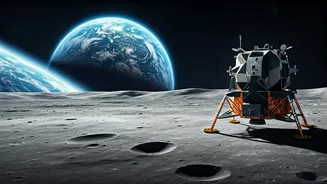
Artemis II is more than just a mission; it symbolizes a new era in space exploration. It's the first crewed lunar mission in a series that intends to build a lasting presence on the Moon. This mission serves as a stepping stone towards more complex expeditions. The data and experience gathered during the Artemis II mission will be crucial for the missions that follow. The crewed flyby around the Moon isn't merely a demonstration; it will test the life support systems, communications, and navigation systems required for extensive deep-space missions. In a context of international collaboration, Artemis II paves the way for a variety of future partnerships. Success in this mission will set the path for human exploration of the lunar surface. It offers a promise of scientific discovery, technological innovation, and a deeper understanding of our place in the universe.