





Baby's Delicate Skin
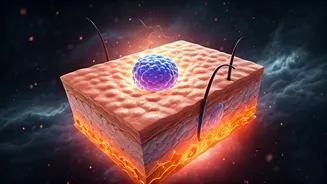
A baby's skin is remarkably tender, possessing a thinner structure and a greater tendency to lose moisture—up to twice as fast as adult skin. This makes
it inherently more susceptible to dryness and irritation. During the crucial first year, the skin's protective barrier is still undergoing development. Consequently, even minor environmental shifts, such as fluctuations in temperature, humidity levels, or exposure to harsh cleansing products, can trigger dryness, redness, rashes, and general discomfort. The outermost layer, known as the stratum corneum, has fewer lipids and natural moisturizing factors, leading to increased moisture loss and a heightened sensitivity to soaps. Furthermore, infant skin requires a longer period to recover from any irritation it may experience. Understanding this vulnerability is the first step in providing appropriate care.
The Importance of Skin pH
The acidity or alkalinity of a baby's skin surface is quantified by its pH level, which is critical for maintaining a healthy skin environment. Healthy baby skin naturally exists in a slightly acidic state, forming a protective shield known as the acid mantle. This vital layer acts as a formidable defense against harmful bacteria, fosters the growth of beneficial microflora, and crucially, prevents excessive moisture evaporation. When this delicate pH balance is disrupted, the skin barrier can become compromised, leading to an increase in transepidermal water loss (TEWL). TEWL is a primary instigator of dryness and irritation, underscoring the need to preserve this natural acidity. The Indian Academy of Paediatrics emphasizes that establishing a robust skin barrier from an early age is fundamental in preventing common conditions like eczema and diaper dermatitis.
Rising Sensitive Skin Cases
Recent years have witnessed a concerning escalation in the prevalence of sensitive skin conditions among infants and young children across India. Reports from the Indian Academy of Pediatrics highlight an increasing incidence of atopic dermatitis and other sensitive skin ailments. Several contributing factors exacerbate this trend, including the pervasive effects of urban pollution, inconsistent humidity levels, the practice of over-cleansing delicate skin, and the use of harsh detergents in everyday products. These environmental and lifestyle influences can significantly worsen pre-existing sensitivities or trigger new ones, making it imperative for parents to be aware of the potential triggers and to adopt appropriate skincare strategies to mitigate these issues and promote healthier skin for their little ones.
Gentle Cleansing Strategies
In the context of India's predominantly hot and humid climate, employing gentle cleansing practices is paramount for effectively managing a baby's sensitive skin. It is crucial to select cleansers that are not only mild but also pH-balanced and have undergone dermatological testing. Such products are designed to safeguard the skin barrier while ensuring thorough yet gentle cleansing. An ideal baby cleanser should be free of harsh soaps and either fragrance-free or very lightly scented. It must be formulated to avoid causing irritation to the skin or eyes and actively support the skin's natural protective functions. For infants dealing with conditions like atopic dermatitis, eczema, ichthyosis, or psoriasis, soap-free liquid cleansers or specialized cleansing bars are highly recommended as they are instrumental in maintaining the skin barrier and significantly reducing discomfort and irritation.
Beneficial Ingredients and Formulations
Cleansing products fortified with colloidal oatmeal offer particularly significant advantages for sensitive baby skin. Colloidal oatmeal is widely recognized for its exceptional skin-protective qualities, boasting remarkable soothing and anti-inflammatory properties. Its beneficial components, such as beta-glucans and avenanthramides, work synergistically to alleviate itching sensations, reduce skin irritation, and actively contribute to strengthening the skin's natural barrier. In India, there's a growing trend among dermatologists and pediatricians to endorse soap-free cleansing bars specifically for babies with delicate and sensitive skin. These advanced formulations are typically free from both soap and sulfates, maintaining a pH level around 5.5. They utilize mild surfactants derived from natural sources like coconut or corn, and clinical studies confirm their efficacy in cleansing while simultaneously minimizing dryness and bolstering barrier function.
Practical Skincare Advice
To effectively protect your baby's sensitive skin, adhere to these expert recommendations: Steer clear of alkaline soaps, as their high pH can erode the acid mantle, leading to dryness and irritation. Always opt for pH-balanced cleansers, ideally around 5.5, which help retain moisture and support optimal skin function. Choose products labeled as sulphate-free, as sulfates can be overly harsh on developing baby skin and contribute to dryness. Seek out cleansers containing barrier-supporting ingredients such as colloidal oatmeal, glycerin, and shea butter, known for their ability to soothe and hydrate. Keep bath times brief, ideally under 10 minutes, and use lukewarm water. Crucially, apply a moisturizer immediately after bathing to effectively lock in hydration and fortify the skin barrier, creating a foundation for long-term skin health.