






Bazaruto Island: Mozambique's Marine Jewel
Nicknamed the 'Galápagos of the Indian Ocean,' Bazaruto Island in Mozambique is part of a protected marine national park, spanning over 550 square miles
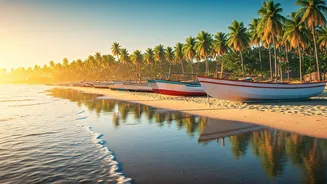
of vibrant coral gardens, dense mangrove forests, and essential seagrass meadows. These meadows are a crucial sanctuary for the last viable population of dugongs in the western Indian Ocean. Staying on Bazaruto Island allows for early morning boat excursions to observe these magnificent creatures while learning about ongoing conservation initiatives. For underwater enthusiasts, a scuba or snorkelling trip to Two Mile Reef promises a spectacular display of diverse marine life, including countless fish species, graceful rays, and the occasional whale shark. Above the water, the island boasts towering sand dunes, reaching 90 meters high – among the largest found on any barrier island – that gracefully descend onto palm-fringed beaches, serving as nesting grounds for various turtle species. The optimal time to visit for whale shark and nesting turtle sightings is between June and September.
Dominica: The Caribbean's Nature Island
Referred to as the 'Nature Island,' Dominica is a breathtaking destination characterized by its dramatic winding gorges, geothermally active steaming sulphurous springs, and incredibly lush rainforests, making it an adventurer's paradise. The Waitukubuli National Trail, an extensive 115-mile route, stands as the longest hiking path in the Caribbean and offers the ultimate exploration of the island's rugged interior, with options to traverse individual stages or the entire trek. Complementing this terrestrial adventure is the newer Waitukubuli Sea Trail, a 40-mile sea kayaking route along the island's eastern coast. This journey allows explorers to navigate through mangrove-lined waterways, discover secluded coves, and enjoy snorkelling alongside turtles at notable locations like Champagne Beach, famous for its naturally effervescent waters due to underwater fumaroles releasing streams of tiny bubbles. For a distinct island experience, Rosalie Bay Distillery offers a unique insight into local life, producing single cane juice rum from fresh sugarcane instead of molasses. The proceeds from this operation support the non-profit organization Oceans Forward, and a visit provides an opportunity to learn about the distilling process and sample the rum. The best period to visit is from December to April, outside the rainy season.
Malapascua Island: Thresher Shark Haven
Located off the northeastern coast of Cebu in the Philippines, Malapascua Island is a small but renowned diving destination, primarily known for its unique encounters with thresher sharks. These elegant, long-tailed sharks are typically deep-water dwellers, making them elusive for recreational divers. However, at Malapascua's Monad and Kimud Shoal dive sites, sightings are virtually guaranteed. This is due to the sharks frequenting these shallows to visit 'cleaning stations,' where an array of wrasse fish diligently remove parasites. To maximize the chances of an encounter, early morning dives are recommended, as the sharks' eyesight is sensitive to light due to their time at greater depths. Divers should also keep an eye out for other magnificent marine life, including manta rays, tiger sharks, and hammerheads. A PADI Advanced Open Water certification is advisable, as these cleaning stations are situated at depths between 20 and 30 meters. The ideal time to visit for the best weather and driest skies is from March to May.
Efate Island: Vanuatu's Family Gem
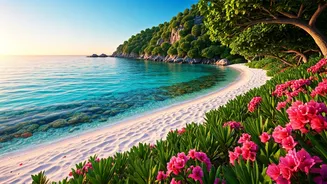
Efate Island, situated in the heart of Vanuatu's extensive archipelago, presents a captivating landscape of emerald hills, palm-fringed beaches, and tranquil turquoise lagoons, making it an ideal setting for adventure. Despite requiring somewhat longer travel times, Efate is remarkably family-friendly, offering a compact and easily navigable environment with a wealth of activities suitable for all ages. Visitors can base themselves in the vibrant capital, Port Vila, and embark on exciting days filled with snorkelling excursions off Hideaway Island, exploring the natural swimming pools at Mele Cascades, experiencing the thrill of zip-lining through the jungle, or observing marine life from a glass-bottomed boat. Families might also enjoy guided reef walks during low tide, trying standup paddleboarding in sheltered lagoons, or taking short boat trips to witness dolphins playing offshore. For a taste of local life, travellers can engage with vendors and artisans at Port Vila's bustling market or immerse themselves in Melanesian culture at Ekasup Cultural Village, enjoying traditional music, dance, and insights into local customs. The island's good selection of modern, family-oriented resorts, coupled with its hosting of Vanuatu's main international airport with direct flights from Australia, further enhances its accessibility and appeal. The prime time to visit is between May and October, offering milder temperatures and calmer sea conditions.
Havelock Island: Andaman's Tropical Escape
The Andaman Islands, a sprawling collection of over 550 tropical isles in the eastern Bay of Bengal, are notoriously remote yet surprisingly accessible. Among them, Havelock Island, also known as Swaraj Dweep, stands out as a stunning coral-ringed haven where lush mangroves, abundant marine life, and echoes of the region's complex past converge. While most visitors head straight for Radhanagar Beach, celebrated for its pristine white sands and placid waters, Havelock's interior offers equally compelling attractions. During the day, explore the emerald-hued mangrove channels by kayak, navigating beneath dense, tangled roots while observing wildlife concealed in the shadows. As night descends, these same waters transform, illuminated by mesmerizing bioluminescence, with each paddle stroke creating electric flashes of green and blue. Further inland, remnants of World War II Japanese bunkers lie partially reclaimed by the jungle, serving as silent testaments to past conflicts. For those travelling via Port Blair, a visit to the historic Cellular Jail, or Kala Pani, is a poignant reminder of the Andaman Islands' colonial history and the political prisoners who were held there. The optimal visiting period for dry weather and calm seas is from November to April.
El Hierro: Canaries' Eco-Sanctuary
Located in the southwesternmost corner of the Canary Islands archipelago, El Hierro offers a distinctly different experience from its more developed neighbours, feeling like a world apart. This commitment to environmental preservation is underscored by its designation as a UNESCO Biosphere Reserve, with its dramatic volcanic interior best explored by foot. Hikers can wander through landscapes dotted with wind-sculpted juniper trees, find refreshment in naturally formed lava rock pools, and ascend Malpaso for panoramic views stretching across the Atlantic to neighbouring islands. The underwater realm near La Restinga is equally remarkable, renowned as one of Europe's premier dive sites. Its volcanic seabeds, intriguing underwater arches, and exceptionally clear waters attract a wealth of marine life, including various rays, sea turtles, and vast schools of barracuda. El Hierro is also a vital refuge for the critically endangered El Hierro giant lizard, a species distinguished by its elongated tail and glossy scales. Visitors can learn more about the island's conservation efforts at the Lagarto Gigante Recovery Centre in La Frontera. The island's unique volcanic soils not only support this delicate ecosystem but also contribute to the distinctive character of its wines and cheeses. In the evenings, one can savour smoky queso ahumado and robust red wines at Tanajara Winery, one of Europe's most southwestern vineyards. After dark, El Hierro's skies provide an unparalleled opportunity for stargazing. The ideal times for visiting to enjoy quiet trails and pleasant weather are during spring or autumn.
Jeju Island: South Korea's Four Seasons
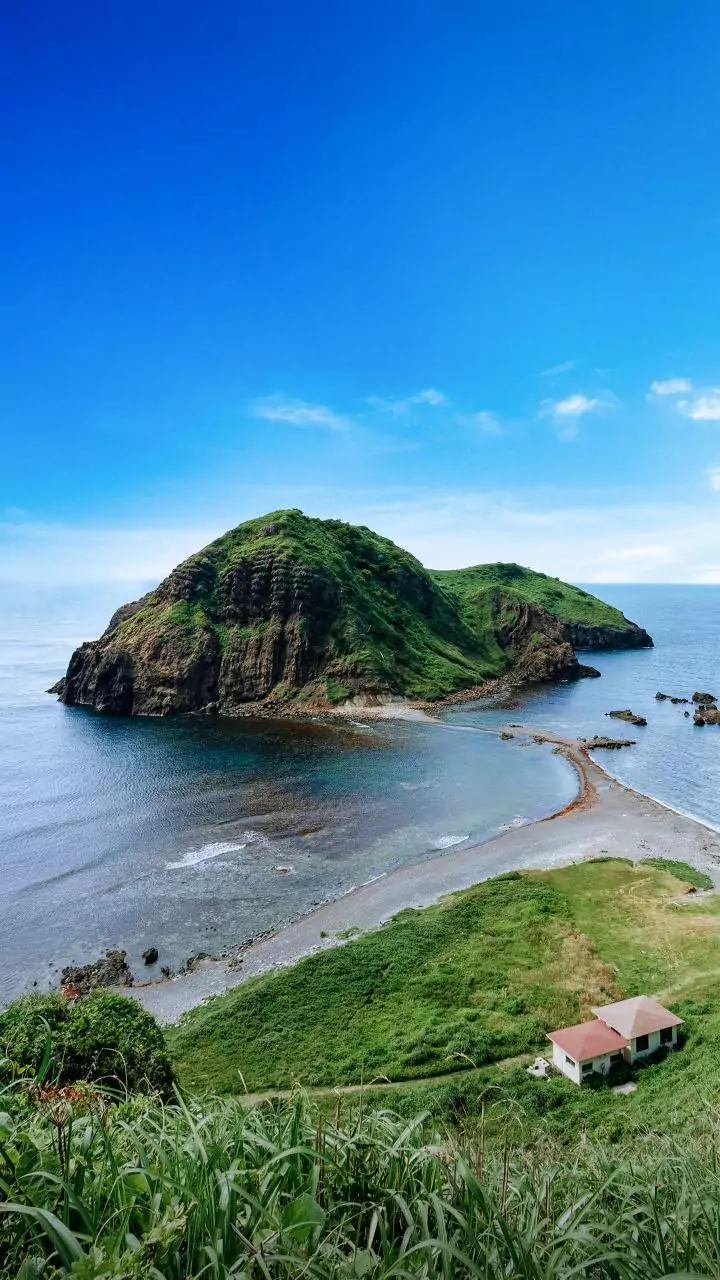
Jeju Island in South Korea offers a captivating display of natural beauty that unfolds throughout its four distinct seasons, reminiscent of scenes from a film. Visitors can witness snow-capped peaks in winter, a vibrant spectacle of king cherry blossoms in spring, sun-drenched beaches in summer, and a stunning transformation of fiery foliage across its volcanic terrain in autumn. The most immersive way to experience the island is by traversing the Jeju Olle Trail, an expansive network of over 20 interconnected hiking routes covering approximately 270 miles, inspired by the renowned Camino de Santiago. This trail largely follows the coastline, winding through Hallasan National Park, home to South Korea's highest peak, and the ancient lava woodlands of Gotjawal Forest. For accommodation, travellers can choose between the island's two primary cities: the more serene and verdant city of Seogwipo in the south, or the bustling capital, Jeju City, in the north. In Jeju City, visitors can indulge in delicious seafood specialties, often sourced by the island's Haenyeo, or 'sea women.' Recognized on UNESCO's Representative List of the Intangible Cultural Heritage of Humanity since 2016, these remarkable female free-divers, many of whom are in their seventies and eighties, dedicate hours to collecting shellfish that are used in local culinary establishments. Their exceptional skills and resilience, passed down through generations, continue to shape Jeju's matriarchal traditions and its distinctive coastal cuisine. The prime time to visit for experiencing the Jeju Cherry Blossom Festival is in late March to early April, while the shoulder seasons of spring and autumn provide the most conducive conditions for hiking.