




Kathal's Culinary Appeal
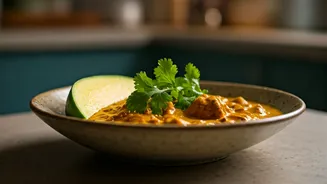
Kathal ki sabji is a celebrated delicacy in Indian kitchens, especially during the warmer months when fresh jackfruit is abundant. This versatile fruit,
known as kathal, can be prepared either as a luscious, gravy-laden curry or as a dry, spice-infused vegetable preparation. What truly distinguishes kathal from other produce is its remarkable, meat-like fibrous texture. This characteristic makes it a popular choice for a vegetarian meat substitute, leading to beloved dishes like kathal biryani that appeal to a wide range of palates, including those of non-vegetarians. While many cooks concentrate primarily on the array of spices when crafting kathal ki sabji, a single, unassuming ingredient holds the power to revolutionize the dish: besan, commonly referred to as gram flour. This staple found in nearly every Indian pantry, though seemingly basic, can profoundly enhance both the flavour profile and the textural qualities of jackfruit curries when employed strategically. The art lies in understanding the precise moment and method for its integration into the cooking process.
Besan: The Flavor Enhancer
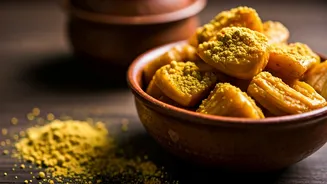
The firm nature of kathal means it absorbs flavors at a measured pace. While spices contribute heat and fragrant aromas, it's the besan that acts as a harmonizing agent, unifying all the elements of the dish. Gram flour functions as a natural emulsifier and thickener, ensuring that the carefully prepared masala adheres evenly to every piece of jackfruit. This not only results in a visually more appealing presentation but also guarantees that each mouthful is imbued with delicious flavor. When subjected to gentle roasting, besan releases a warm, subtly nutty fragrance that melds seamlessly with traditional Indian spices. In preparations featuring a rich gravy, besan lends a luxurious body to the sauce without making the overall dish feel heavy or dense. For drier preparations, it contributes a delicate crispness to the exterior of the jackfruit pieces, enhancing the overall eating experience and making the sabji more satisfying. This sophisticated interplay between texture and taste is precisely what elevates besan to such a valuable component in jackfruit-based recipes.
Mastering Besan Application
To optimally incorporate besan into your kathal ki sabji, begin by either boiling or shallow-frying the jackfruit chunks until they reach a tender consistency. In a separate pan, heat a bit of oil and sauté finely chopped onions, ginger, and garlic until they achieve a pleasant golden hue. At this crucial stage, introduce 1 to 2 teaspoons of besan to the pan. Sauté this gram flour over a low flame, stirring constantly to prevent burning. Continue this process until the besan becomes lightly golden and releases an aromatic scent. It's vital that it doesn't scorch. Once the besan is properly roasted, add your chosen dry spices, stir them thoroughly to combine with the roasted flour, and then introduce the prepared jackfruit pieces to the mixture. Proceed with the remainder of the cooking process, adjusting the method based on whether you aim for a dry sabji or one with a flowing gravy. Employing this straightforward culinary technique with besan in kathal ki sabji is a remarkably simple yet effective way to amplify its taste, refine its texture, and enrich its overall character, transforming a common vegetable dish into something truly memorable and delightful.