





Iconic Eatery Shuts Down
The much-loved Sitaram Diwan Chand, a Delhi institution renowned for its delectable chhole bhature, has been compelled to temporarily cease all operations
across its five outlets. This decision stems directly from an acute scarcity of commercial LPG cylinders, a vital resource for their daily cooking. The 75-year-old establishment, which commenced its culinary journey in Paharganj, finds itself unable to sustain operations without a reliable gas supply. This marks only the second closure in its extensive history, the first having occurred during the unprecedented COVID-19 lockdown. The lack of a piped natural gas connection, coupled with the inability to procure LPG cylinders, presents the most significant operational hurdle for this multi-generational family business.
Rising Costs, Price Hikes
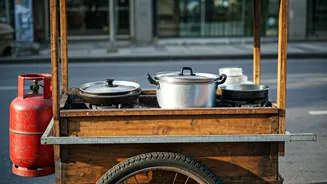
While some venerable eateries are forced to close their doors, others are fighting to stay afloat amidst immense financial strain. Subhash Sharma, proprietor of Sharmaji ke Chhole Bhature in Lajpat Nagar, has managed to continue serving customers by resorting to purchasing commercial LPG cylinders from the black market at exorbitantly high prices. A cylinder that previously cost approximately Rs 1,000 is now retailing between Rs 3,000 and Rs 4,000. To absorb these escalating expenses, Sharma has implemented a price adjustment, increasing the cost of a plate of chhole bhature from Rs 100 to Rs 120. He emphasized that this price hike was an unavoidable measure to ensure he could continue to meet staff salaries and cover essential household expenditures.
Wider Regional Impact
The repercussions of this gas shortage extend beyond Delhi's borders, affecting neighboring regions as well. In Ghaziabad, Maharaja Agrasen ki Rasoi, an eatery celebrated for its incredibly affordable Rs 10 meals, has also been forced to suspend its services. Numerous smaller food businesses in the vicinity have explored alternative fuel sources, such as wood and coal. However, many of these establishments, lacking adequate ventilation systems, have had to cease operations due to safety concerns and practical difficulties associated with these traditional methods. The combined pressures of international conflict and fuel scarcity are placing the entire Delhi-NCR food industry under severe duress.
Uncertain Future Looms
The current crisis, exacerbated by ongoing geopolitical tensions in West Asia, is posing a profound threat to the livelihoods of countless individuals within the food sector. From long-established culinary giants to humble street-side vendors, a significant number of businesses are confronting escalating operational costs, persistent supply chain disruptions, and considerable uncertainty regarding their future viability. Restaurateurs are expressing deep concern that prolonged periods of these challenging conditions could lead to further negative impacts on employment, staff welfare, and ultimately, the affordability of popular local dishes for the public.