





Why Garlic for Hair?
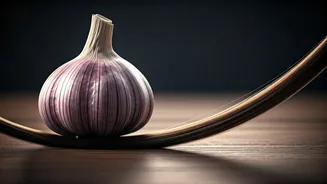
Garlic's reputation in hair care stems from its rich composition of beneficial compounds. It's packed with sulfur, a mineral crucial for protein synthesis
and hair growth, alongside selenium and potent antioxidants. These elements are believed to bolster hair roots, promoting a stronger foundation for new growth. Furthermore, many proponents suggest that garlic can enhance blood circulation within the scalp, creating a more conducive environment for healthy hair development over time. While not a miraculous cure-all, especially for hair loss stemming from underlying medical conditions like thyroid issues or nutritional deficiencies, garlic has gained traction as a popular supportive home treatment for hair concerns.
Garlic Juice: Potent but Pungent
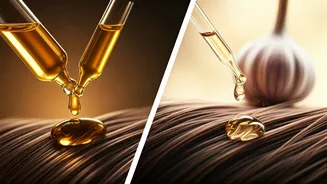
Garlic juice is essentially the direct liquid extracted from crushed or blended fresh garlic cloves. Its concentrated nature makes it a powerful treatment, often applied directly to thinning areas or patches of hair loss for an immediate, intense effect. However, this potency comes with significant drawbacks. For those with sensitive scalps, raw garlic juice can trigger irritation, leading to redness, itching, burning, or dryness. The most notorious issue, of course, is its overwhelmingly strong and lingering odor. Many individuals dilute the juice with ingredients like aloe vera or onion juice, or use it sparingly before shampooing, typically once or twice weekly. It's best suited for those with oily scalps who can tolerate stronger applications and are targeting small, specific areas of thinning or patchy hair loss, but it's not recommended for dry, flaky, or sensitive scalps prone to irritation.
Garlic Oil: Gentle & Manageable
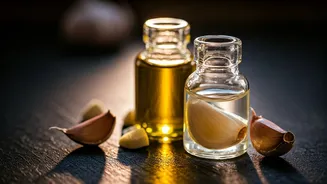
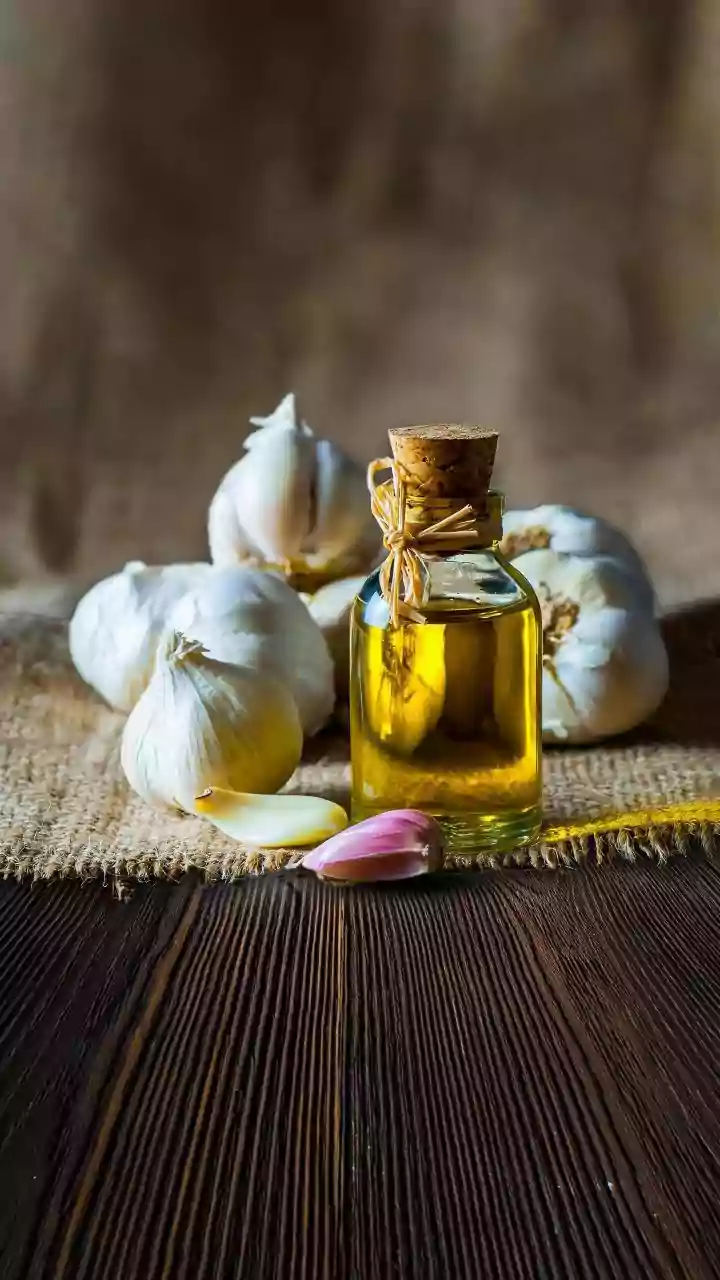
Garlic oil is typically prepared by infusing garlic cloves into carrier oils such as coconut, olive, or castor oil. This process mellows the intensity of raw garlic while preserving some of its hair-benefiting properties. For the majority of individuals, garlic oil presents a more user-friendly and nourishing option. It aligns well with traditional Indian hair care practices like champi (scalp massage), offering a relaxing experience rather than a harsh one, and is less likely to cause skin irritation. The oil component also contributes essential moisture, which is vital as dry scalps can exacerbate hair fall. A key advantage is its leave-on potential; it can remain on the scalp longer without causing discomfort. While its effects are generally more gradual and require consistent application compared to juice, garlic oil is a commendable choice for those with dry or frizzy hair, experiencing mild hair fall, and looking to incorporate it into regular scalp massage routines.
Making Your Own Oil
To create your own garlic oil at home, you will need approximately 5-6 garlic cloves and half a cup of coconut oil, with the option to add a small amount of castor oil for extra benefits. Begin by lightly crushing the garlic cloves. Then, gently heat these crushed cloves in the coconut oil for a few minutes over low heat, being careful not to burn the garlic. Once infused, allow the oil to cool completely before straining it into a clean, airtight bottle for storage. Apply this homemade garlic oil to your scalp once or twice a week, massaging it in gently and leaving it for an hour or two before washing it off. It is crucial to perform a patch test on a small area of skin before full application to ensure no adverse reactions occur, as even natural ingredients can sometimes cause irritation.
Beyond Garlic: Key Considerations
It's essential to recognize that while garlic can be a valuable adjunct to hair care, it's not a standalone solution for significant hair fall. Many factors contribute to thinning hair, especially in the Indian context, including nutritional deficiencies such as low iron levels, effects of crash dieting, chronic stress, inadequate sleep, hormonal imbalances, and even the quality of water. Relying solely on topical remedies like garlic oil or juice might delay addressing the root cause if it lies within your diet, lifestyle, or an underlying medical condition. Therefore, it’s advisable to view garlic as a supportive treatment rather than a magical cure. For persistent or severe hair loss, consulting a healthcare professional for a proper diagnosis and treatment plan is paramount.