
Kingdom in the Clouds
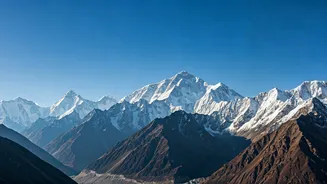
Bhutan, often called the 'Land of the Thunder Dragon', sits majestically in the eastern Himalayas. This secluded kingdom, bordered by China and India,
is famous for its breathtaking scenery, which includes towering mountains and lush valleys. The nation's dedication to its unique cultural identity and its approach to sustainable tourism sets it apart. Bhutan places a significant emphasis on Gross National Happiness (GNH), a development philosophy that prioritizes the well-being and happiness of its citizens, as opposed to solely focusing on economic growth. This commitment is evident in the preservation of its traditional architecture, clothing, and way of life. Furthermore, stringent environmental protection measures help to maintain the country's pristine landscapes, making Bhutan a truly exceptional destination.
Cultural Richness of Bhutan
Bhutan’s culture is deeply rooted in Buddhist traditions, which shape the daily lives of its people. The country's monasteries and fortresses (dzongs) are architectural marvels, showcasing intricate designs and vibrant colors. Festivals, or 'tshechus', are colorful celebrations that feature masked dances, music, and traditional performances, providing an immersive experience into Bhutanese life. Traditional arts, such as thangka paintings, weaving, and wood carving, are highly valued and preserved. The national dress, the gho for men and the kira for women, is worn daily, reinforcing a sense of cultural identity. The strong emphasis on preserving its cultural heritage, which allows Bhutan to stand out and offer a distinctive and enriching experience for travelers, is something that has been ongoing.
Natural Wonders Unveiled
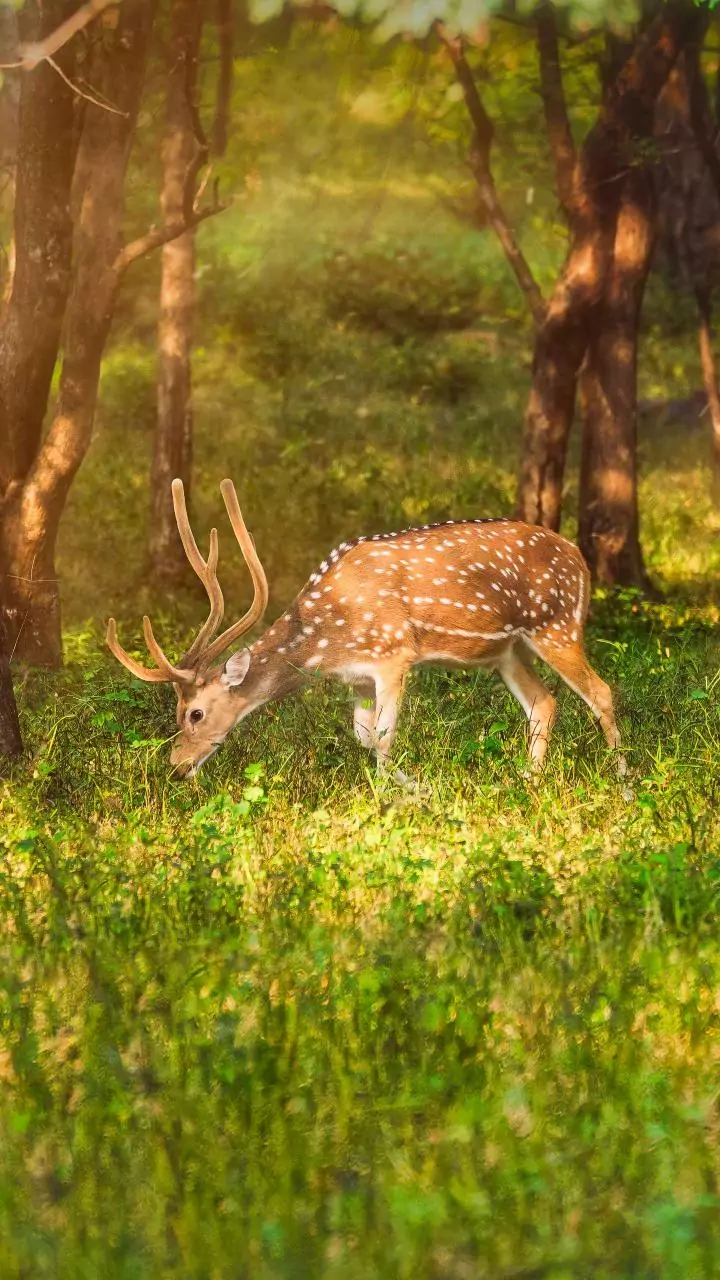
Bhutan is blessed with a spectacular natural environment that spans from subtropical plains to the rugged Himalayan peaks. The country's diverse ecosystems support a wide array of plant and animal species, including the elusive snow leopard and the national animal, the takin. Hiking through pristine forests, exploring crystal-clear rivers, and marveling at the towering mountains are popular activities. Protected areas, national parks, and wildlife sanctuaries cover a significant portion of the country, ensuring the preservation of its natural resources. The dramatic landscapes, combined with the clean air and serene atmosphere, make Bhutan a haven for nature lovers and adventurers. The country's commitment to sustainable tourism also plays a crucial role in safeguarding its natural wonders for future generations.
Sustainable Tourism Model
Bhutan's unique approach to tourism is centered around sustainability and responsible travel. The government implements a 'High Value, Low Impact' tourism policy, which means prioritizing quality over quantity. Tourists are required to pay a daily fee, part of which goes towards supporting free healthcare and education for Bhutanese citizens, as well as investing in infrastructure. This approach helps to manage the number of visitors and minimize the environmental impact of tourism. Visitors have the opportunity to experience authentic Bhutanese culture and interact with locals, contributing to the local economy. The sustainable tourism model ensures that tourism benefits the community and preserves Bhutan's cultural and natural heritage, positioning Bhutan as a leader in responsible travel.
Planning Your Journey
Preparing for a trip to Bhutan involves understanding the visa requirements and travel regulations. Visas are generally arranged through licensed Bhutanese tour operators. Visitors must book a pre-arranged package tour that includes accommodation, transportation, meals, and a guide. The best time to visit Bhutan is during the spring (March-May) and autumn (September-November), when the weather is pleasant and ideal for exploring. Packing essentials include comfortable clothing, sturdy footwear for hiking, and appropriate attire for visiting religious sites. Respecting local customs, such as dressing modestly and being mindful of photography restrictions, enhances the travel experience. By planning ahead and being informed, visitors can fully enjoy the beauty and cultural richness of this hidden paradise.