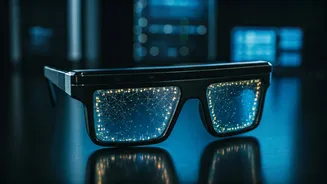

AI-Powered Surveillance Unveiled
The Delhi Police have begun using smart glasses equipped with advanced AI to enhance their surveillance capabilities. These glasses are more than just
a piece of eyewear; they are sophisticated tools capable of identifying individuals in public spaces. The core function of these smart glasses is to quickly scan the faces of people around and compare them against a digital database maintained by the police. The database contains data on approximately 65,000 suspects. This technology uses facial recognition algorithms to analyze and match faces in real time, which could potentially alert officers to individuals of interest.
Functionality and Operations
The smart glasses operate by capturing images of faces within their field of view. These images are then processed by the AI system integrated into the glasses. The system runs algorithms that extract key facial features from the images. These are converted into a unique digital fingerprint. This 'fingerprint' is instantly compared with the database. If a match is detected, the officers using the glasses are immediately notified. The system is designed to provide quick and efficient identification, offering a significant advantage in situations requiring swift action. The technology's real-time analysis can improve situational awareness and aid in the quick identification of persons of interest.
The Database Overview
The effectiveness of the AI-powered smart glasses hinges on the quality and size of the database they access. The Delhi Police's database comprises information on approximately 65,000 individuals. This database contains various details about each person, including facial features, biographical data, and potentially criminal records or involvement. The large size of the database allows the smart glasses to scan a wider pool of potential matches. However, the database's integrity and accuracy are critical. Errors in the database could lead to false positives, potentially affecting the privacy and freedom of innocent individuals. The police must ensure the data is updated and maintained to maintain accuracy.
Privacy Implications Considered
The use of facial recognition technology raises important questions regarding privacy. The Delhi Police's AI smart glasses are capable of collecting and analyzing facial data of people in public areas without their explicit consent. This widespread surveillance could lead to a breach of personal privacy. There are concerns about how the data is stored, who has access to it, and how it is protected from misuse. Regulations and guidelines regarding the use of such technology are crucial. These guidelines must balance law enforcement’s need to use such tools with protecting the basic rights of individuals. Public discussions and transparency are very important to address these concerns.
Potential for Misuse
While the aim of the AI smart glasses is to help police, there is a possibility that it could be used in ways that are not intended. The technology could be misused for purposes beyond law enforcement. Potential misuses include targeting specific communities or groups. There are concerns that the facial recognition data could be used for profiling or discriminatory practices. To prevent misuse, strict protocols, oversight, and accountability are essential. Regular audits and reviews can help to ensure that the technology is used ethically and fairly, and in compliance with established regulations. It is essential to develop clear guidelines to prevent biased applications or undue targeting of specific groups.
Future Developments and Impact
The introduction of AI smart glasses marks a significant development in Delhi's policing strategy. This technology is likely to evolve and improve over time. Future developments may include enhanced accuracy, the ability to recognize faces under various conditions, and integration with other surveillance systems. The long-term impact of this technology on public safety, privacy, and community relations is currently unknown. The impact will depend on the policies, regulations, and how the technology is used. It is crucial to monitor the technology’s effectiveness. Openly discussing its effect on the public is extremely important for ensuring transparency and the public's confidence in its fair use.