






The Samosa Calculation
The humble samosa, a beloved Indian snack often costing just Rs 10 or Rs 20, has become the subject of a stark warning from a Delhi-based cardiologist,
Dr. Shailesh Singh. His viral social media post broke down the potential long-term financial burden of consistently consuming this fried delight. According to his calculation, if one were to eat a samosa daily for 15 years, with each samosa priced at Rs 20, the cumulative cost could reach Rs 90,000. He dramatically equated this to taking a 'loan against your arteries at 400 per cent interest,' suggesting that the immediate small expense pales in comparison to the future medical costs, such as an angioplasty, which can amount to approximately Rs 3 lakh. This stark financial framing aimed to shock people into reconsidering their dietary habits and the perceived savings of unhealthy, convenient food options.
Dietary Impact on Arteries
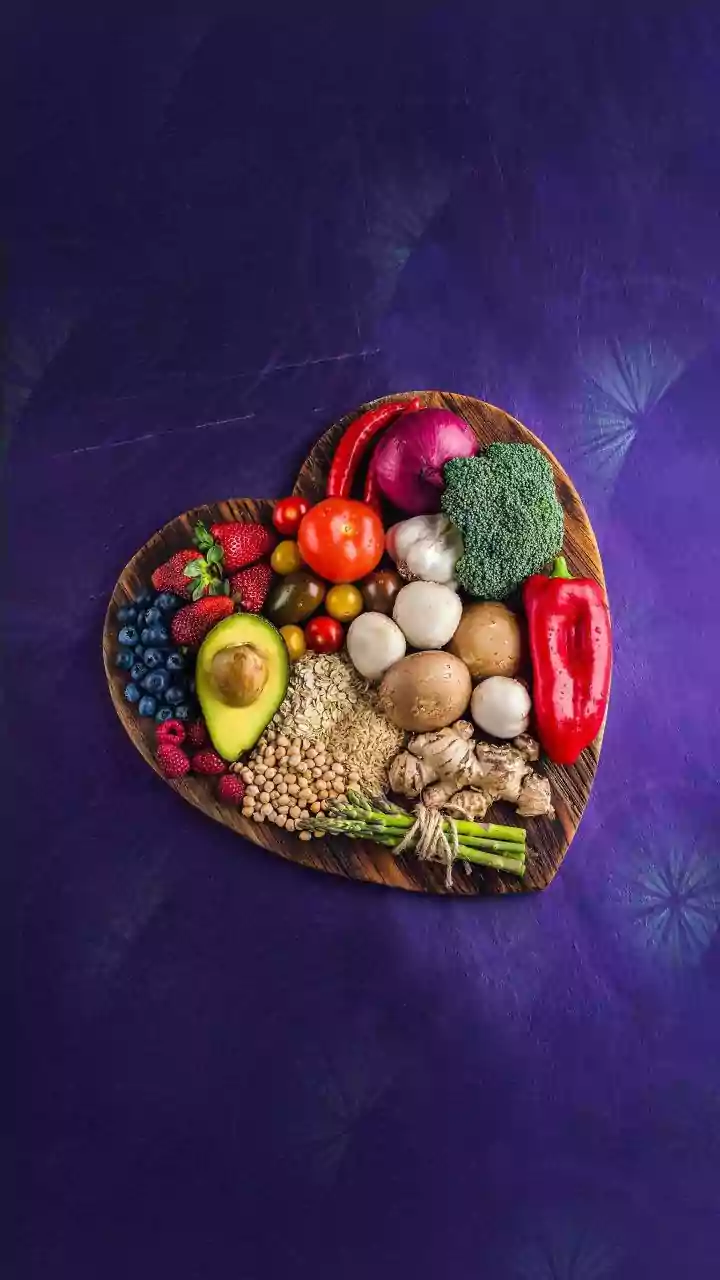
Dr. Parin Sangoi, a consultant interventional cardiologist, elaborates on the underlying health mechanisms at play, clarifying that the issue extends beyond a single samosa to the broader trend of incorporating fried and processed foods into daily life. He explains that each serving of such food contributes to the gradual accumulation of cholesterol and triggers inflammation and oxidative stress within the vascular system. Over time, this process leads to the formation of plaque, which narrows the arteries and restricts blood flow to vital organs like the heart. Foods laden with trans fats, high carbohydrates, and excessive salt are particularly detrimental, as they contribute to hardening of the blood vessels, elevate blood pressure, and disrupt the balance between 'good' and 'bad' cholesterol. In contrast, diets rich in fiber, antioxidants, fruits, and vegetables help maintain the flexibility and health of the arterial lining.
Modern Lifestyles and Health
Contemporary lifestyles, especially for those with demanding work schedules, often lead to the neglect of proper meals in favor of quick, convenient, and often unhealthy options. Dr. Sangoi emphasizes that prioritizing convenience over health can have serious repercussions. He advocates for making small, conscious dietary substitutions, such as choosing roasted snacks over fried ones or incorporating fruits into daily meals, which can collectively lead to significant health improvements. Furthermore, he highlights the underappreciated roles of adequate hydration, regular gentle physical activity, and mindful eating as crucial preventive measures for maintaining cardiovascular well-being. These simple habits, when integrated into daily routines, can profoundly impact long-term health outcomes and reduce the risk of developing chronic diseases.
Heart Health's New Reality
A significant concern raised by cardiologists is the alarming trend of heart disease affecting individuals at much younger ages than previously observed. Dr. Sangoi points out that heart problems are no longer confined to older demographics, with a notable spike occurring in individuals as young as their 30s. This surge is attributed to a confluence of factors including chronic stress, insufficient sleep, and the pervasive poor dietary habits fueled by modern living. He frames heart care not as a restrictive measure, but as an act of self-respect and a crucial investment in future health. The choices made today regarding diet, lifestyle, and stress management directly dictate the long-term health and resilience of one's heart, underscoring the urgency of adopting healthier practices early in life.